General & Emergency: 732-528-0600

Can Smokers Get Dental Implants?

Losing a tooth is rarely just about appearance. It can change how you chew, how you speak, and even how comfortable you feel in everyday conversations. For many people who smoke, the idea of replacing missing teeth with implants brings a mix of hope and hesitation. One of the most common questions dentists hear is whether smoking automatically rules out treatment.
If you’re considering dental implants, it’s natural to want honest answers. Smoking does affect oral health, but it does not always mean implants are off the table. What matters most is understanding the risks, knowing how healing works, and taking the right steps before and after treatment.
Early in the decision process, many patients exploring dental implants Manasquan want clarity rather than pressure. This guide is designed to explain how smoking impacts implant success, what dentists look for during evaluations, and how smokers can still achieve stable, long-lasting results.
How Dental Implants Heal in the Body
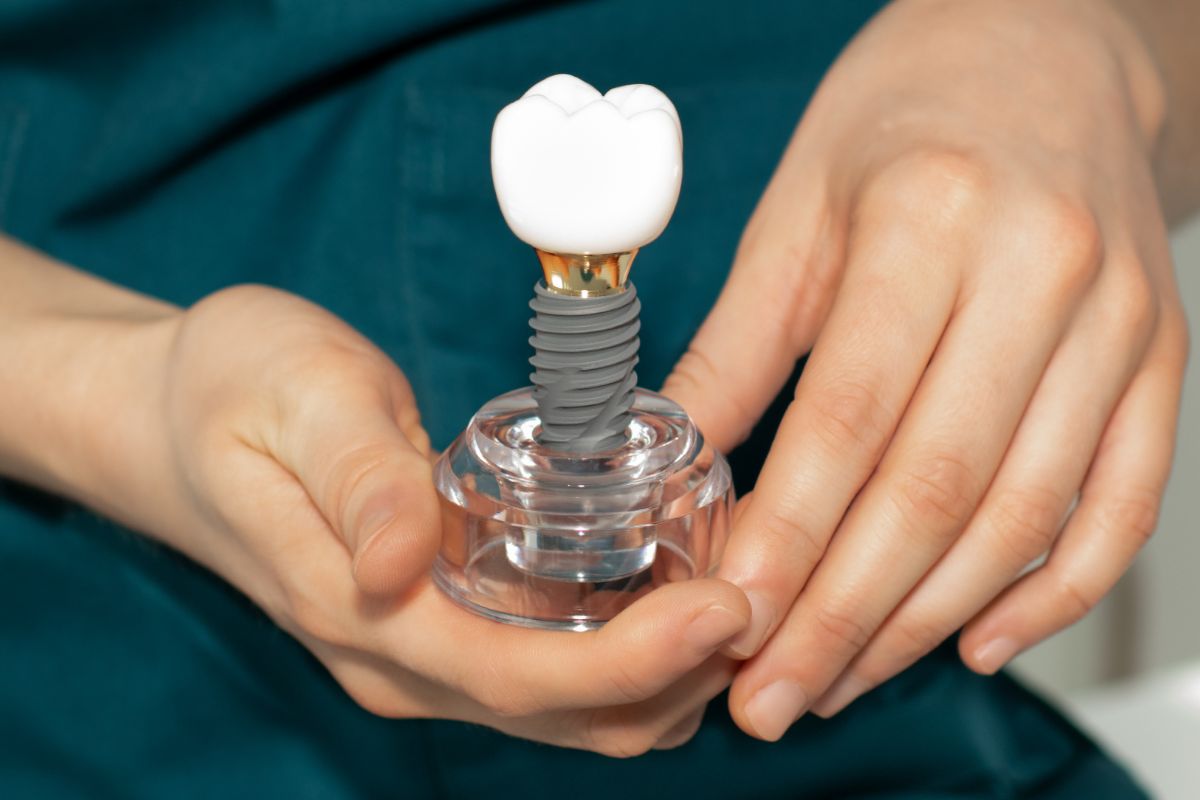
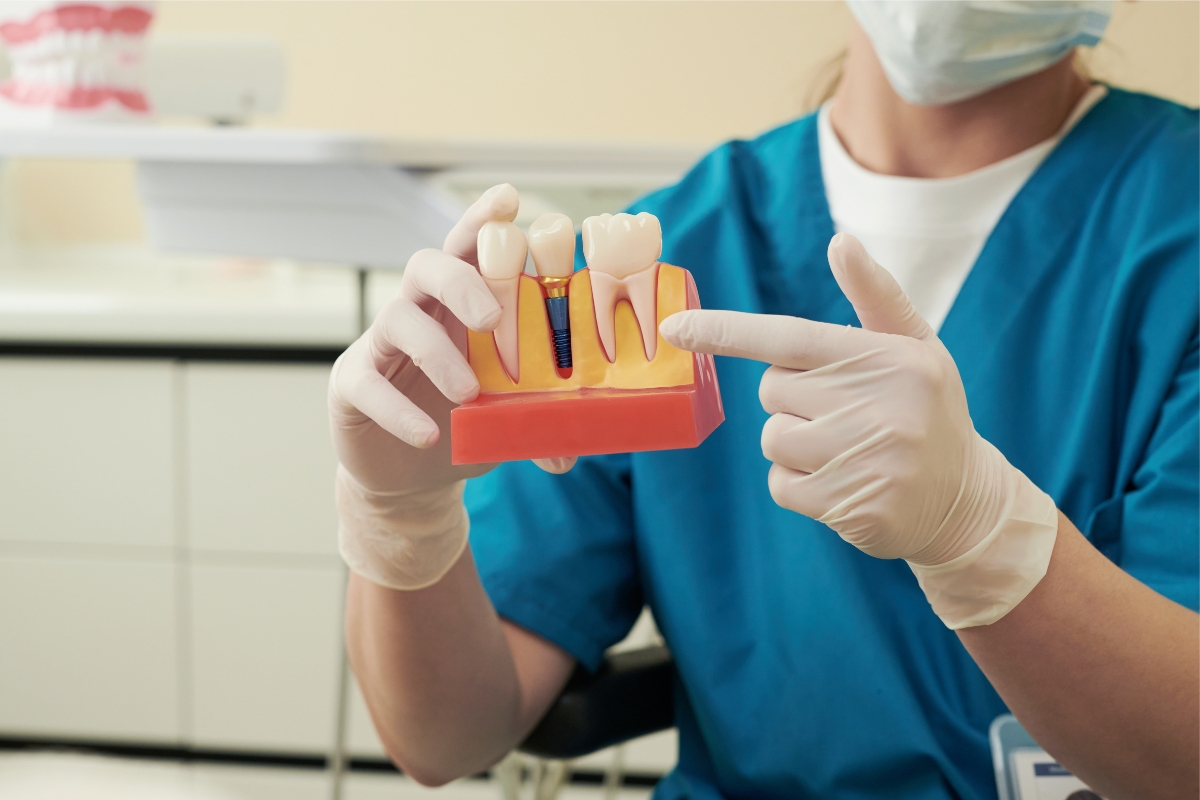
Dental implants work by replacing the root of a missing tooth. A small titanium post is placed into the jawbone, where it gradually bonds with the bone. This bonding process, called osseointegration, is what allows implants to feel secure and function like natural teeth.
Successful healing depends on:
- Healthy bone structure
- Strong, infection-free gums
- Steady blood flow to the area
- Consistent aftercare
Smoking interferes with several of these factors, which is why dentists approach implant treatment differently for smokers.
Why Smoking Can Complicate Implant Healing
Slower Tissue Recovery
Smoking reduces blood flow, which limits oxygen delivery to healing tissues. After implant placement, this can slow the body’s ability to repair itself, increasing healing risks during the most critical early weeks.
Higher Risk of Gum Disease
Smokers are more prone to gum disease, even when symptoms are mild or hidden. Inflammation around the implant can weaken support structures and increase the chance of implant failure over time.
Implant Success Rate Differences
Dental implants have a high overall success rate, often around 90–95% in healthy non-smokers. Studies show smokers may experience slightly lower outcomes, with success rates closer to 85–90%, depending on smoking frequency and oral health habits. This difference highlights the importance of careful planning rather than outright exclusion.
Dental Implants for Smokers: What Dentists Consider
Despite the risks, dental implants for smokers remain a viable option for many patients. Dentists do not make decisions based on smoking alone. Instead, they evaluate the full picture, including:
- Daily smoking habits
- Length of smoking history
- Bone density and jaw health
- Presence of gum disease
- Commitment to post-treatment care
Patients who follow professional guidance closely often heal well and enjoy stable implant results.
Local Perspective for Manasquan Patients
Manasquan’s coastal lifestyle plays a role in dental health more than many people realize. Seasonal schedules, outdoor activities, and social routines can all influence consistency with oral care and follow-up visits.
A local dentist who treats patients in the Manasquan area understands these lifestyle factors. This familiarity allows treatment plans to be adjusted realistically, especially for smokers who may need additional monitoring or customized healing timelines.
How Smokers Can Improve Implant Outcomes
Take a Break From Smoking During Healing
Many dentists recommend stopping smoking at least one to two weeks before surgery and several weeks afterward. This temporary pause can significantly improve blood flow and early healing.
Address Gum Disease First
Healthy gums are essential for implant stability. Treating gum disease before implant placement lowers infection risk and supports long-term success.
Maintain Strong Daily Oral Care
Smokers benefit from thorough brushing, flossing, and antibacterial rinses. Consistency matters more than perfection, especially during healing.
Stay Connected With Your Dentist
Regular follow-ups help identify early signs of inflammation or bone changes. Ongoing monitoring can prevent small issues from becoming implant failure.
What the Research Shows About Long-Term Success
Clinical studies consistently show that smoking increases healing risks, but also confirm that implants can still succeed when patients follow care instructions closely. Reducing smoking, maintaining gum health, and keeping routine dental visits all contribute to better outcomes.
The American Dental Association offers patient-focused guidance on implants and oral health that supports informed decision-making.
Possible Long-Term Risks for Smokers
Bone Loss Around the Implant
Smoking may accelerate bone loss over time, which can affect implant stability years after placement.
Peri-Implant Inflammation
Inflammation around implants occurs more frequently in smokers. Early detection by a dentist helps protect the implant and surrounding tissue.
Maintenance Is Ongoing
Dental implants require regular care. Smokers often benefit from more frequent professional cleanings and checkups to maintain healthy results.
Frequently Asked Questions
Can smokers still qualify for dental implants?
Yes. Smoking increases risk but does not automatically disqualify patients. Each case is evaluated individually.
Is quitting smoking required?
Some dentists strongly recommend temporary cessation during healing, but long-term quitting further improves implant success.
Does smoking affect implant longevity?
Smoking may increase long-term maintenance needs, but many smokers keep implants stable for years with proper care.
Are alternatives recommended for smokers?
In some cases, dentists may suggest other tooth replacement options, depending on bone health and risk factors.
Moving Forward With Confidence
Deciding on dental implants is about more than replacing a tooth. It’s about restoring comfort, function, and confidence. Smoking adds complexity, but it doesn’t eliminate options.
If you’re considering dental implants Manasquan, a thoughtful conversation with a dentist can help you understand your risks, your possibilities, and the steps that matter most. With the right preparation and guidance, many smokers move forward successfully and schedule an appointment as part of a realistic, supportive treatment plan.