General & Emergency: 732-528-0600

Can You Straighten Your Teeth After Implants?


Having dental implants doesn’t necessarily mean you have to give up on your goal of having straighter teeth. It’s common for people to wonder whether orthodontic treatment is still an option after replacing one or more missing teeth with implants. The good news is that, in many cases, natural teeth can be moved even when dental implants are already part of your smile.
The key is understanding how implants differ from natural teeth. A dental implant is firmly anchored into the jawbone, so it does not move in the same way as a natural tooth. Because of this, straightening teeth after implant treatment requires careful planning to determine which teeth need to move and how the existing implant will affect the treatment.
What Happens to Teeth After Dental Implants?
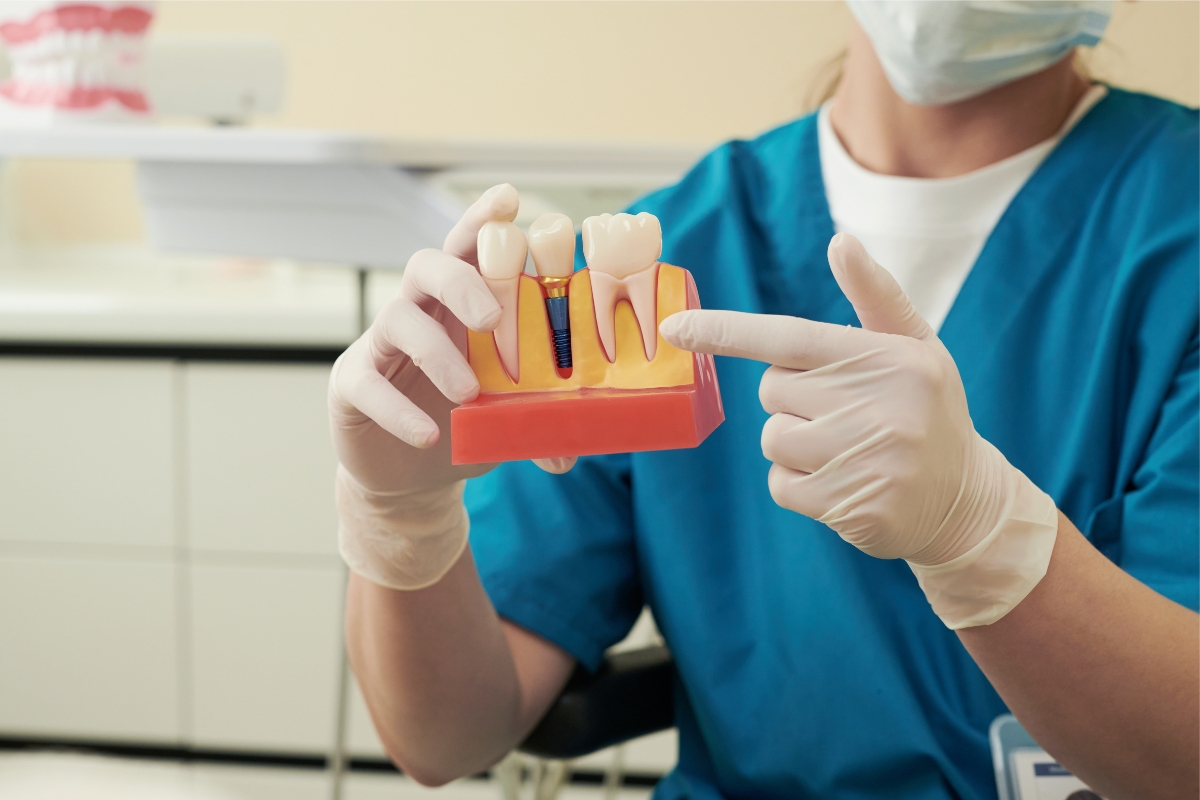
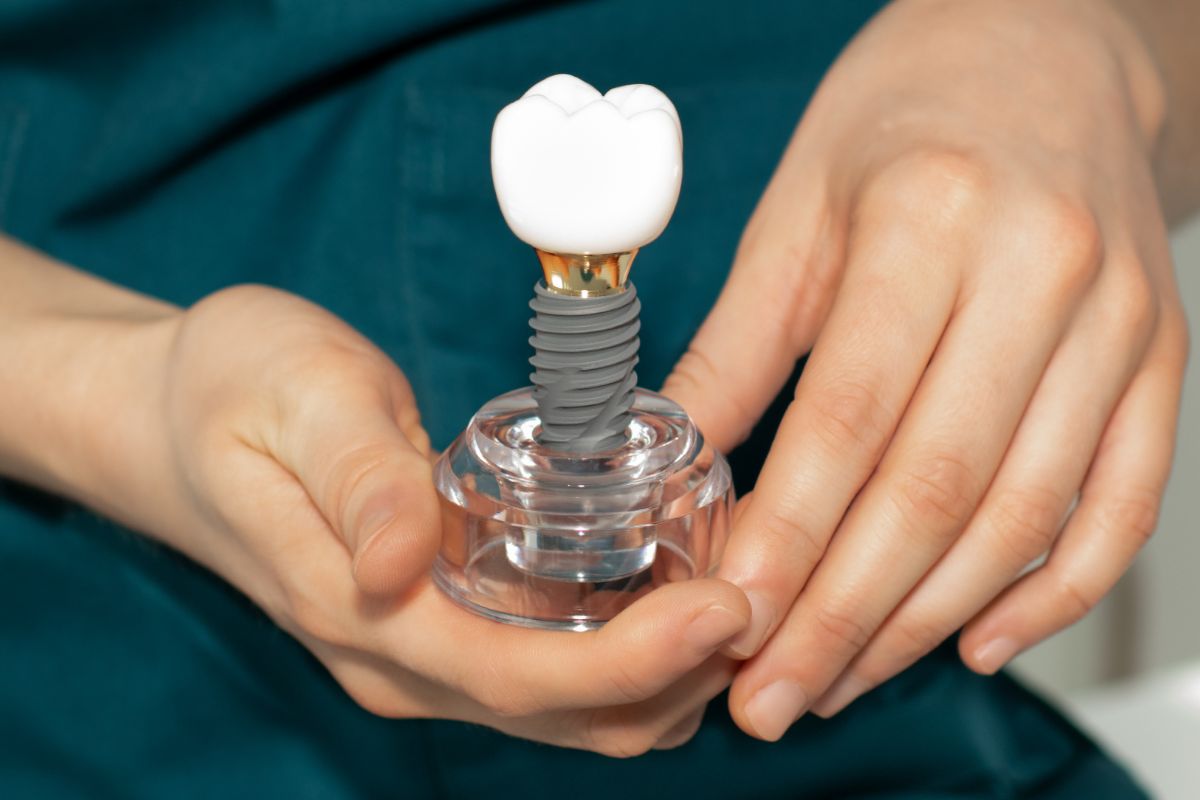
Dental implants are designed to replace missing tooth roots. A small titanium or similar biocompatible post is placed into the jawbone, where it eventually integrates with the surrounding bone. Once healing is complete, a dental crown or another restoration is attached to the implant.
If you’re considering dental implants in Manasquan, it’s important to understand that the implant itself is intended to remain stationary. Natural teeth around it, however, can sometimes be repositioned with orthodontic treatment. This distinction plays an important role when creating a plan for improving your smile after implant placement.
Can You Straighten Your Teeth After Dental Implants?
Yes, orthodontic treatment may be possible after receiving dental implants. However, the treatment approach depends on the location of the implant, the position of your natural teeth, your bite, and your overall oral health.
Unlike natural teeth, implants cannot be moved through orthodontic pressure because they are fused to the surrounding bone. Instead, your orthodontic provider can plan tooth movement around the implant. This may involve repositioning neighboring natural teeth while keeping the implant and its restoration in their existing position.
In some cases, the implant can even serve as a stable reference point during orthodontic treatment. Your dental provider will evaluate your smile and bite before determining whether aligners, braces, or another approach is appropriate.
Is Invisalign an Option After Dental Implants?
For many patients, Invisalign can be considered when natural teeth need to be straightened after implant treatment. The clear aligners are designed to apply controlled pressure to selected teeth, while the treatment plan can be customized to account for teeth that should remain stationary.
If you are searching for a dentist Manasquan, a consultation can help determine whether clear aligners are appropriate for your particular smile. Your provider can review your implant placement, examine your natural teeth, and assess your bite before recommending an orthodontic approach.
Invisalign may be useful for certain cases involving crowding, spacing, rotations, or other alignment concerns. However, not every patient will be a candidate. The complexity and location of your dental implants can significantly influence the treatment plan.
What Factors Affect Teeth Straightening After Implants?
Several factors need to be considered before beginning orthodontic treatment. These include:
Location of the Implant
An implant positioned near the front teeth may require a different strategy than one located toward the back of the mouth. Your provider will consider how the implant affects the surrounding teeth and available space.
Number of Implants
Having a single implant is different from having several implants. Multiple implants can limit the number of natural teeth available for movement, so treatment planning becomes especially important.
Condition of Your Gums and Teeth
Healthy gums and teeth provide a better foundation for orthodontic treatment. Existing gum disease, tooth decay, or other oral health concerns may need to be addressed before moving forward.
Your Bite
Your bite affects how teeth come together when you chew and speak. Orthodontic treatment should improve alignment without creating unnecessary stress on your teeth, implant restoration, or jaw.
Position of the Natural Teeth
The amount and direction of movement needed will influence which orthodontic method is most suitable. Some cases may require only minor adjustments, while more complex alignment concerns may require a comprehensive treatment plan.
What Are the Benefits of Straightening Teeth After Implants?
Improving tooth alignment can offer more than an aesthetic benefit. Depending on your individual situation, orthodontic treatment may provide several advantages.
A More Balanced Smile: Straight teeth can create a more uniform and attractive appearance while complementing your implant restoration.
Easier Cleaning: Teeth that are crowded or overlapping can be harder to brush and floss. Improving their alignment may make daily oral hygiene easier.
Improved Bite: Properly positioned teeth can contribute to a more balanced bite and more comfortable chewing.
Better Gum Health: When teeth are easier to clean, it may be easier to control plaque buildup around the gumline.
Greater Confidence: A smile that looks and feels healthier can make many people feel more comfortable when speaking, laughing, and socializing.
Does Invisalign Move Dental Implants?
No. Invisalign does not physically move an integrated dental implant through the jawbone. Instead, clear aligners are used to move the natural teeth that are suitable for orthodontic movement.
This is why treatment planning is so important. The aligners must be designed around the implant and its restoration rather than treating the implant like a natural tooth. Your provider may use digital scans, photographs, X-rays, and other diagnostic information to determine how the natural teeth can be repositioned safely.
What If I Need a Dental Implant and Orthodontic Treatment?
If you need both orthodontic treatment and a dental implant, the order of treatment can vary. In some situations, it may be beneficial to straighten or reposition natural teeth before placing the implant. In other cases, an existing implant can remain in place while surrounding teeth are treated.
The right sequence depends on your individual dental needs. Coordinating implant and orthodontic care can help ensure that the final position of your natural teeth and implant restoration work together properly.
Can Dental Implants and Straight Teeth Work Together?
Absolutely. Having an implant does not automatically prevent you from pursuing a straighter smile. The important thing is to recognize that implants and natural teeth respond differently to orthodontic forces.
Rather than trying to move an implant, treatment focuses on the natural teeth that can safely be repositioned. With careful planning, orthodontic treatment may help improve spacing, crowding, tooth positioning, and overall bite while keeping the implant stable.
If you’re unhappy with the alignment of your teeth after receiving an implant, don’t assume that you’re out of orthodontic options. A professional evaluation can help determine what can realistically be changed and which treatment approach makes the most sense for your smile.
The Bottom Line
Dental implants and a straighter smile can coexist. While an integrated implant itself cannot be moved like a natural tooth, the surrounding natural teeth may often be repositioned with carefully planned orthodontic treatment. Clear aligners such as Invisalign can be an option for certain patients, but treatment needs to be customized around the existing implant and overall bite.
The best way to know whether you are a candidate is to have your teeth, gums, implant, and bite evaluated by a dental professional. Schedule an appointment today to discuss your options for achieving a straighter, healthier-looking smile after dental implants.
Frequently Asked Questions
Can I get Invisalign if I already have dental implants?
In many cases, yes. Invisalign can move eligible natural teeth while leaving integrated dental implants in place. Your dentist or orthodontic provider will evaluate your implant and surrounding teeth before recommending treatment.
Can Invisalign move a dental implant?
No. An integrated dental implant is anchored to the jawbone and does not move like a natural tooth. Invisalign can be planned to move the natural teeth around the implant.
Is it better to straighten my teeth before getting an implant?
Sometimes. If the teeth surrounding the missing-tooth area need significant repositioning, orthodontic treatment may be recommended before implant placement. However, the best sequence depends on your specific dental condition.
Can braces be used with dental implants?
Yes, braces may be an option for some patients with dental implants. Since implants cannot be moved, the orthodontic plan must account for their position and use forces only where appropriate.
Will straightening my teeth damage my implant?
Properly planned orthodontic treatment is designed to avoid moving an integrated implant. Your provider will consider the implant’s location and stability when creating your treatment plan.
How long does teeth straightening take after implants?
Treatment time varies from person to person. Minor alignment changes may take less time than complex bite or spacing corrections. The number and location of implants can also influence the treatment timeline.
Can I get an implant while wearing Invisalign?
In some situations, yes. Your dental and orthodontic providers may coordinate treatment so that the implant is placed at the appropriate stage of your overall plan.
Do I need healthy gums before starting orthodontic treatment?
Healthy gums are important before moving teeth. If you have gum inflammation or periodontal problems, those issues may need to be treated before orthodontic treatment begins.
What should I do if my teeth have shifted after getting an implant?
Schedule a dental evaluation rather than trying to correct the problem on your own. Your provider can determine why the teeth have shifted and whether clear aligners, braces, or another treatment may help.