General & Emergency: 732-528-0600

When Can You Smoke After Dental Implants?

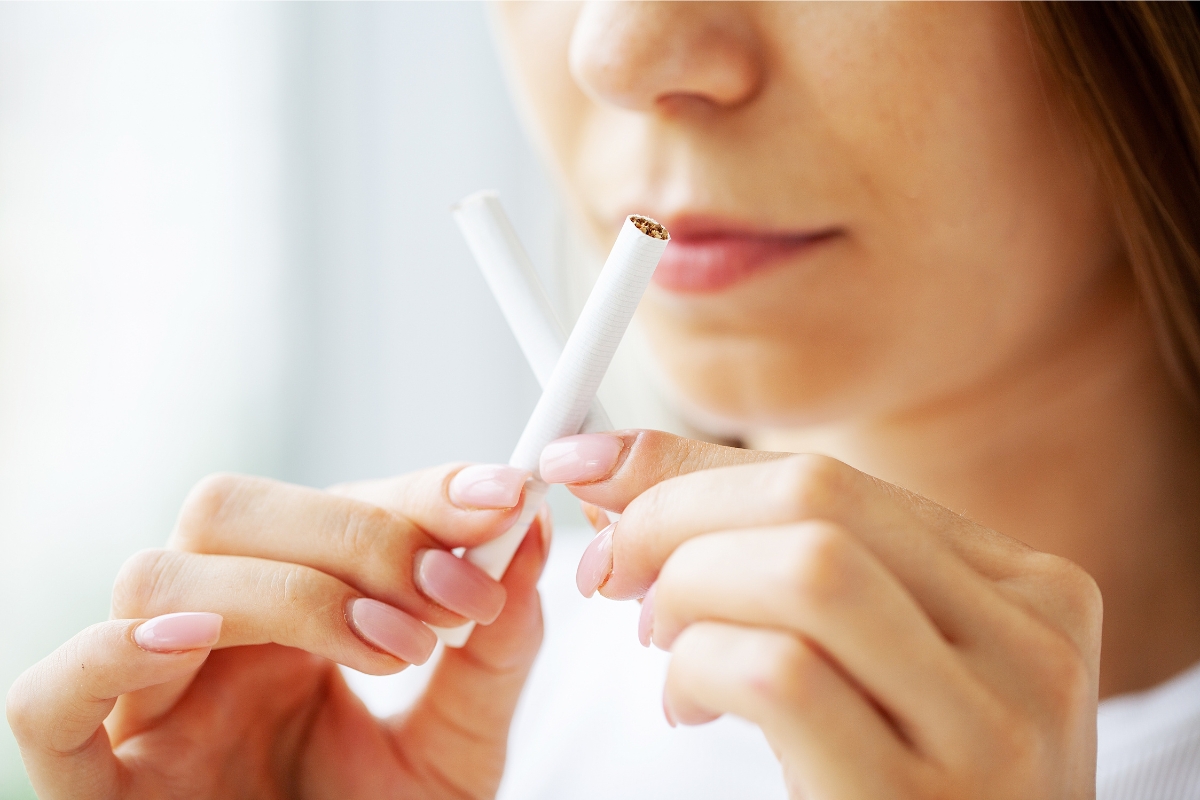
Getting dental implants is an exciting step toward restoring your smile and daily comfort. After the procedure, most people are eager to return to their usual routine. If you smoke, one question probably comes up quickly: how soon can I start again?
While it may feel difficult to wait, giving your mouth time to heal without interference is one of the most important things you can do for the success of your implant.
Dental implants are designed to be strong and long-lasting, but they rely heavily on proper healing in the early stages. The choices you make during this time can directly impact how well your implant holds up over the years.
Why the First Few Weeks Matter So Much
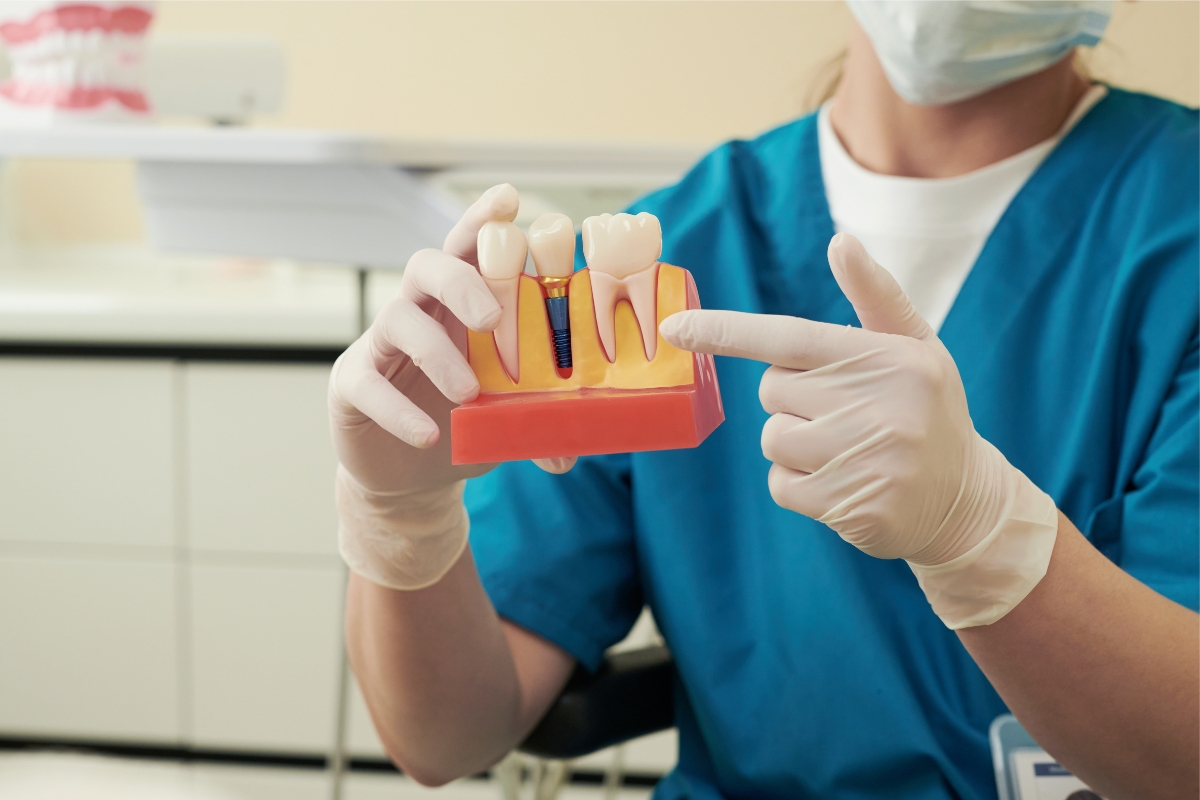
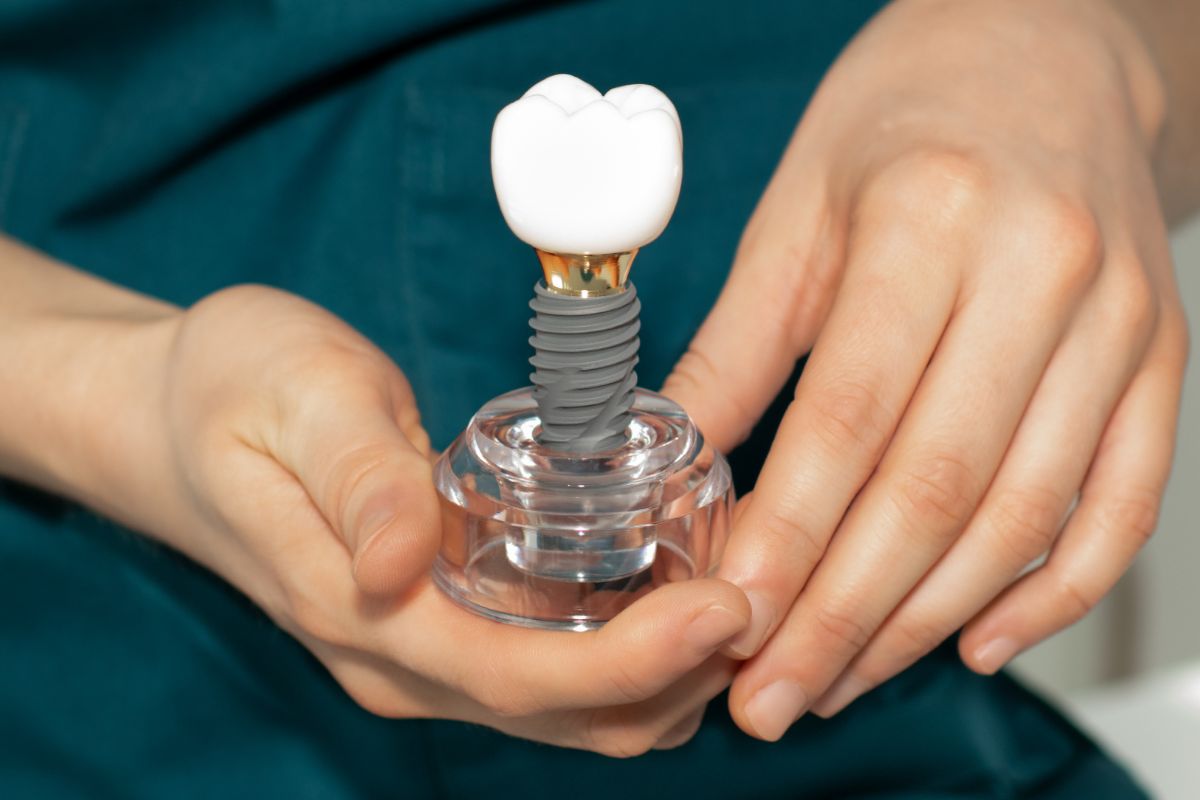
After your implant is placed, your body begins a natural healing process called osseointegration. This is when the implant slowly fuses with your jawbone, creating a secure foundation—just like a natural tooth root.
If you’re considering dental implants in Manasquan, it’s helpful to know that this bonding phase is what makes implants feel stable and natural. But for that to happen, the surrounding tissue needs a clean, healthy environment to heal.
The first few days are especially sensitive. Your body forms a protective clot at the surgical site, and new bone starts to develop around the implant. Any disruption during this stage can slow things down or create complications.
How Smoking Slows Down Healing
Smoking affects your body in ways that aren’t always obvious—but they matter a lot during recovery. Nicotine reduces blood flow, which means less oxygen and fewer nutrients reach the healing area.
When this happens, your body has a harder time repairing itself.
Smoking during recovery can lead to:
- Slower healing of the gums and bone
- Increased risk of infection
- Dry mouth, which allows bacteria to thrive
- Inflammation around the implant site
- A higher chance of peri-implantitis (a serious implant infection)
Over time, these issues can weaken the implant’s support and even lead to failure in some cases.
So, How Long Should You Wait?
Most dentists recommend avoiding smoking for at least 72 hours after surgery. This initial period is critical for blood clot formation and early healing.
That said, stopping for just a few days isn’t always enough.
For the best outcome, it’s recommended to avoid smoking for two to three months. This is the time when your implant is actively bonding with the bone. Smoking during this phase can interfere with that connection and increase the risk of long-term problems.
What If Quitting Feels Too Difficult?
Let’s be honest—quitting smoking isn’t easy, especially when you’re already dealing with the stress of a procedure. If stopping completely isn’t possible right now, even cutting back can help reduce risks.
Some people use temporary alternatives like:
- Nicotine patches
- Nicotine gum
- Nicotine lozenges
These options can help manage cravings without exposing the healing area to smoke and heat. However, since they still contain nicotine, it’s best to use them carefully and only as a short-term solution.
Tips to Help Your Mouth Heal Better
A smooth recovery doesn’t just depend on avoiding smoking—it also comes down to how you care for your mouth overall.
Here are a few simple ways to support healing:
- Drink plenty of water to keep your mouth hydrated
- Stick to soft foods while the area is healing
- Maintain gentle but consistent oral hygiene
- Use any prescribed rinses as directed
- Keep up with your follow-up visits
These habits can make a noticeable difference in how quickly and comfortably you recover.
FAQs — Smoking After Dental Implants
Can I smoke on the same day as my surgery?
No, it’s best to avoid smoking completely on the day of your procedure, as it can disrupt healing right away.
Is vaping a better option after implants?
Not really. Vaping still delivers nicotine, which can slow healing and affect blood flow.
Can smoking actually cause implant failure?
Yes, it increases the risk of infection and poor bone integration, both of which can lead to failure.
When can I safely go back to smoking?
Waiting at least two to three months is ideal, but your dentist’s advice should always come first.
Can smokers still get dental implants?
Yes, but they may face a higher risk of complications. Reducing or quitting smoking can improve success rates significantly.
Final Thoughts
Taking a break from smoking after dental implant surgery might feel challenging, but it can make a lasting difference in your results. Giving your body the time it needs to heal properly helps your implant stay strong, stable, and comfortable for years to come.
If you have questions about your recovery or want guidance based on your situation, schedule an appointment with your dental provider today.