General & Emergency: 732-528-0600

How Gum Disease Impacts Your Eligibility for Implants


Dental implants are one of the most effective and natural-looking ways to restore missing teeth. Unlike traditional dentures or bridges, they offer long-term stability and help preserve the jawbone. However, not everyone is immediately eligible for implants, especially those with existing oral health conditions. Gum disease is one of the most significant factors influencing implant candidacy. Understanding the relationship between periodontal health and dental implants is essential before starting the process.
Understanding Gum Disease and Its Stages
Gum disease, also known as periodontal disease, is a progressive condition that affects the gums and the supporting structures of the teeth. It begins with gingivitis—characterized by red, swollen gums that may bleed when brushing—and can advance to periodontitis if left untreated. As the disease progresses, it can cause gum recession, bone loss, and even tooth mobility.
Once bone and gum tissues are damaged, the overall oral environment becomes less favorable for dental procedures, particularly implants, which depend on strong jawbone and healthy gums to anchor and support the prosthetic teeth.
How Gum Disease Affects Dental Implant Success
Implant Integration and Infection Risk
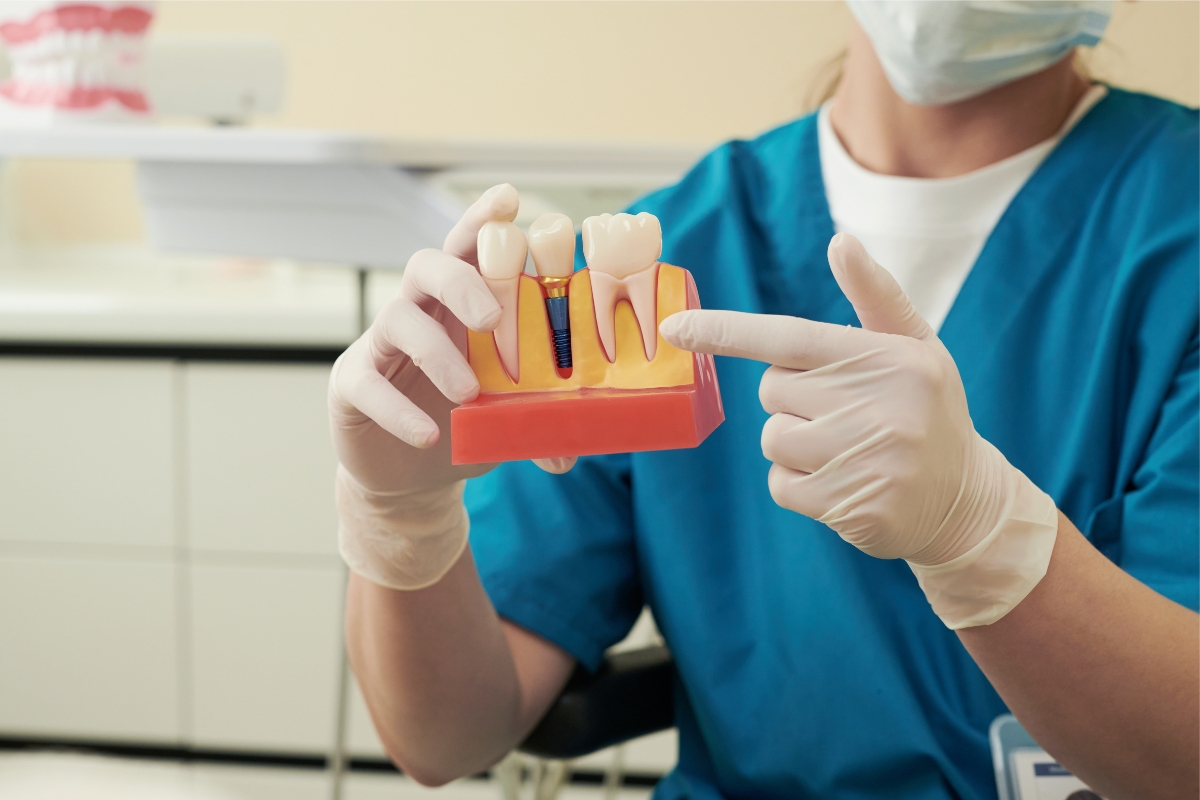
Dental implants rely on osseointegration, where the titanium post fuses with the jawbone to form a stable foundation. However, active gum disease can compromise this process by introducing harmful bacteria into the surgical site. This increases the risk of implant failure due to infection, poor bone healing, or even rejection of the implant.
Patients with untreated periodontitis may experience ongoing bone loss, which undermines the stability required for successful implant placement. In severe cases, the bone may no longer be dense or strong enough to support an implant without additional procedures.
Evaluating Eligibility for Dental Implants in Manasquan
Before recommending implants, a dental professional will conduct a comprehensive evaluation that includes examining gum health, measuring bone density, and reviewing your medical history. If gum disease is present, it must be treated and brought under control before implant placement.
In our experience at our dental office in Manasquan, patients often ask if they are still eligible for implants if they’ve had gum disease in the past. The answer depends on how well the disease has been managed and whether sufficient bone structure remains. Additional therapies such as bone grafting may be recommended for those in the recovery phase or in remission from periodontal disease to improve eligibility.
If you’re seeking dental implants in Manasquan, it’s essential to work closely with a team specializing in implantology and periodontal care. Coordinated treatment ensures that the gums and supporting bone are prepared properly before any implant procedure begins.
Steps to Improve Implant Candidacy After Gum Disease
Periodontal Treatment and Maintenance
If gum disease is detected, your dentist will likely suggest scaling and root planing, localized antibiotics, or even surgical intervention to clean the area thoroughly and stop the progression of the disease. Once gum health is restored, re-evaluation can determine whether you’re ready for implant placement.
Periodontal maintenance, including regular dental cleanings and good oral hygiene at home, is critical even after implant placement. This helps ensure the implants’ long-term success and prevents disease recurrence.
Long-Term Considerations for Patients with a History of Gum Disease
Patients with a history of gum disease must be especially diligent about oral health after receiving implants. While dental implants do not decay, inflammation or infection can still affect the surrounding gum tissue and bone. Regular dental visits, brushing and flossing, and a healthy lifestyle are key components in maintaining natural teeth and implants.
Your Smile’s Future Starts with Healthy Gums
Gum disease doesn’t automatically disqualify you from getting dental implants, but it does require careful evaluation and treatment to ensure success. Healthy gums and sufficient bone support are vital to the longevity of your implant. If you’re considering dental implants, speak with a trusted dental professional who can assess your situation and guide you through the proper steps. The path to a healthier smile starts with the proper care and expert advice—visit our dental office to learn more.