General & Emergency: 732-528-0600

The Do’s and Don’ts of Caring for Your Dental Implants

Dental implants are a transformative solution for those looking to replace missing teeth, offering durability, functionality, and a natural appearance. At Beautiful Smiles of NJ in Manasquan, we understand the importance of proper care to ensure the longevity of your dental implants. To help you maintain your smile and maximize the benefits of your implants, we’ve compiled essential do’s and don’ts for caring for your dental implants.
Understanding Your Dental Implants
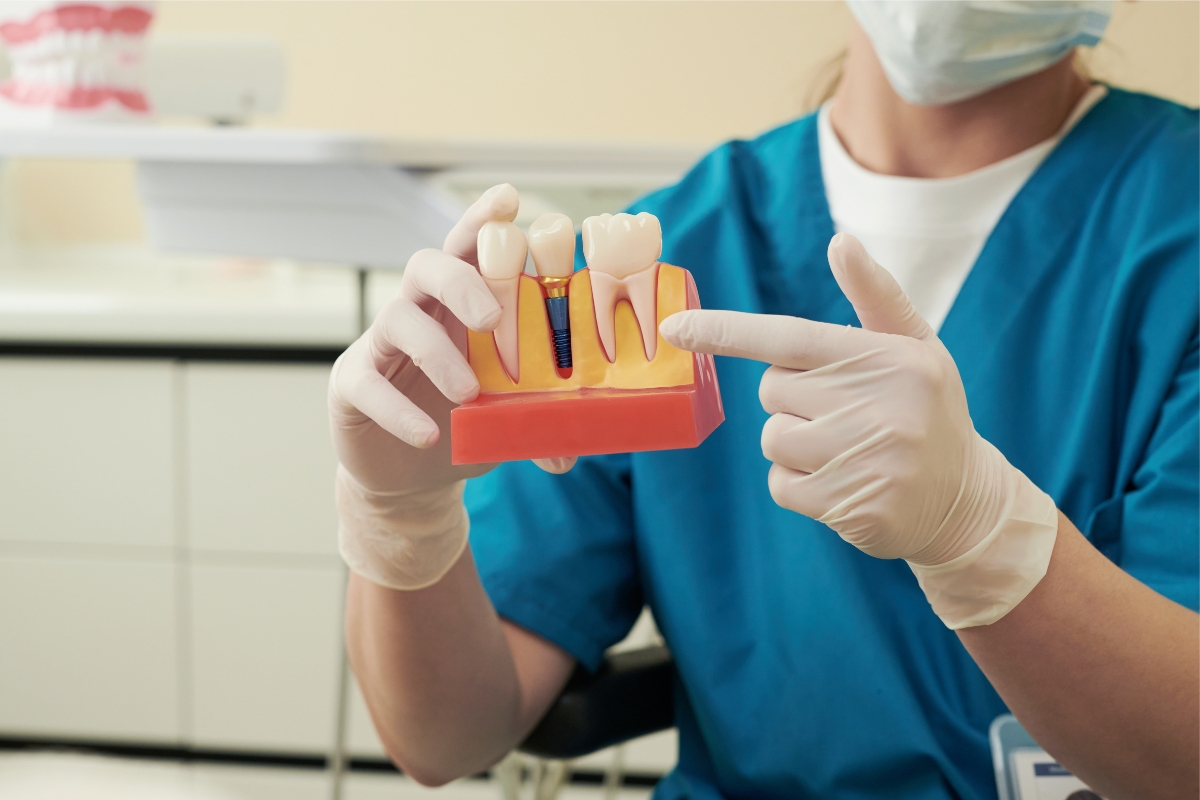
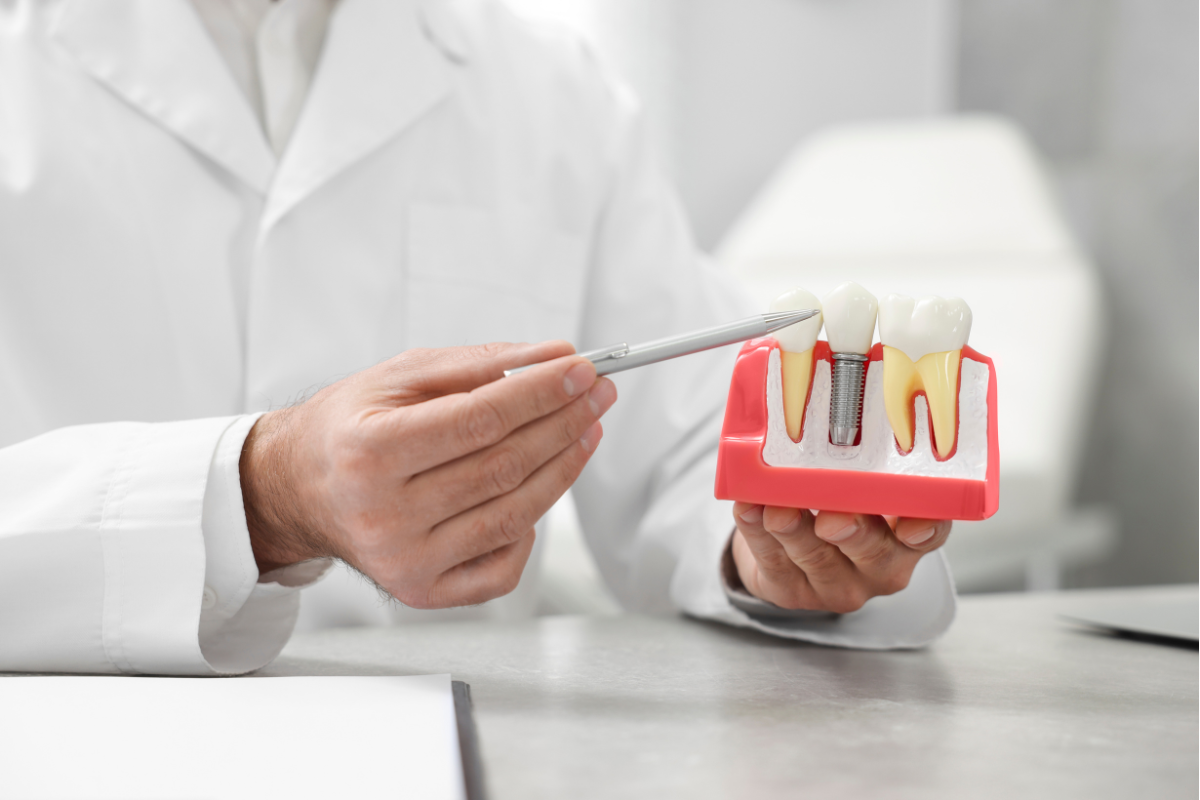
Before diving into the specifics of dental implant care, it’s crucial to understand what dental implants are. They consist of titanium posts surgically inserted into the jawbone, acting as roots for replacement teeth. These implants fuse with the bone through a process called osseointegration, providing a stable foundation for crowns, bridges, or dentures. While implants are designed to last a long time, proper care is key to their success.
The Do’s of Caring for Your Dental Implants
- Maintain Good Oral Hygiene
Keeping your mouth clean is vital for the health of your dental implants. Here are some tips for effective oral hygiene:
• Brush Twice a Day: Use a soft-bristled toothbrush and fluoride toothpaste to gently brush your teeth, including the area around your implants. Aim for at least two minutes each time.
• Floss Daily: Use unwaxed dental floss or a floss threader to clean between your teeth and around the implants. This helps remove food particles and plaque buildup.
• Use an Antimicrobial Mouthwash: Rinsing with an antibacterial mouthwash can help reduce bacteria in your mouth, promoting gum health around your implants. - Schedule Regular Dental Checkups
Regular visits to your dentist are essential for monitoring the health of your implants. Here’s why:
• Professional Cleanings: Professional cleanings help remove plaque and tartar that regular brushing and flossing might miss.
• Monitoring Implant Health: Your dentist can check for any signs of complications, such as infections or implant failure, and address them promptly.
• Adjustments and Maintenance: Sometimes, your implants or crowns may need adjustments. Your dentist will ensure everything fits properly. - Eat a Balanced Diet
What you eat significantly impacts your dental health. Consider these dietary tips:
• Choose Nutrient-Rich Foods: Incorporate fruits, vegetables, whole grains, lean proteins, and dairy products to support overall health and healing.
• Stay Hydrated: Drinking plenty of water helps maintain saliva flow, which is essential for oral health.
• Limit Sugary and Acidic Foods: These can contribute to plaque buildup and increase the risk of gum disease. - Use a Nightguard if Necessary
If you grind your teeth at night (a condition known as bruxism), consider getting a nightguard. Here’s why:
• Protection for Implants: A nightguard can prevent excessive force on your dental implants, reducing the risk of damage or loosening.
• Improved Comfort: Wearing a nightguard can also alleviate discomfort associated with teeth grinding.
The Don’ts of Caring for Your Dental Implants
- Avoid Hard or Sticky Foods
Certain foods can pose a risk to your dental implants. To protect them:
• Stay Away from Hard Foods: Foods like hard candies, nuts, and ice can crack or damage your implants. Opt for softer alternatives when possible.
• Limit Sticky Foods: Chewy candies, caramel, and similar foods can pull on your implants, potentially loosening them. - Don’t Skip Follow-Up Appointments
Skipping follow-up appointments can have serious consequences for your dental health. Consider these points:
• Increased Risk of Complications: Regular checkups help catch any issues before they escalate into serious problems.
• Long-Term Cost Savings: Addressing small problems early can save you from costly repairs or replacements in the future. - Don’t Ignore Signs of Trouble
Being attentive to your oral health is vital. If you notice any of the following signs, don’t hesitate to contact your dentist:
• Pain or Discomfort: Persistent pain around your implant site may indicate an infection or other issues.
• Swelling or Bleeding: Swollen gums or unexplained bleeding should be evaluated by a dental professional.
• Loosening of the Implant: If your implant feels loose, it’s crucial to seek immediate attention. - Avoid Tobacco Products
Tobacco use can negatively affect your oral health and the success of your dental implants. Here’s why:
• Impaired Healing: Smoking can hinder the healing process after implant surgery, increasing the risk of complications.
• Higher Risk of Gum Disease: Tobacco products contribute to gum disease, which can jeopardize the stability of your implants.
Embracing Your New Smile
Caring for your dental implants requires attention and commitment, but the rewards are worth it. By following these do’s and don’ts, you can ensure the longevity of your implants and maintain a beautiful, healthy smile. Remember, your dental implants are an investment in your confidence and overall well-being. At Beautiful Smiles of NJ, our restorative dentist in Manasquan is here to support you on your journey to optimal oral health.
Whether you’re considering dental implants in Manasquan or need advice on caring for your existing ones, don’t hesitate to reach out to us. With proper care and regular check-ups, your dental implants can serve you well for many years to come, enhancing your quality of life and self-esteem.
Investing in your dental health is a decision that pays off. Take the necessary steps to care for your dental implants, and enjoy the freedom and confidence that comes with a beautiful smile.