General & Emergency: 732-528-0600

What to Do If You Accidentally Damage a Tooth While Brushing

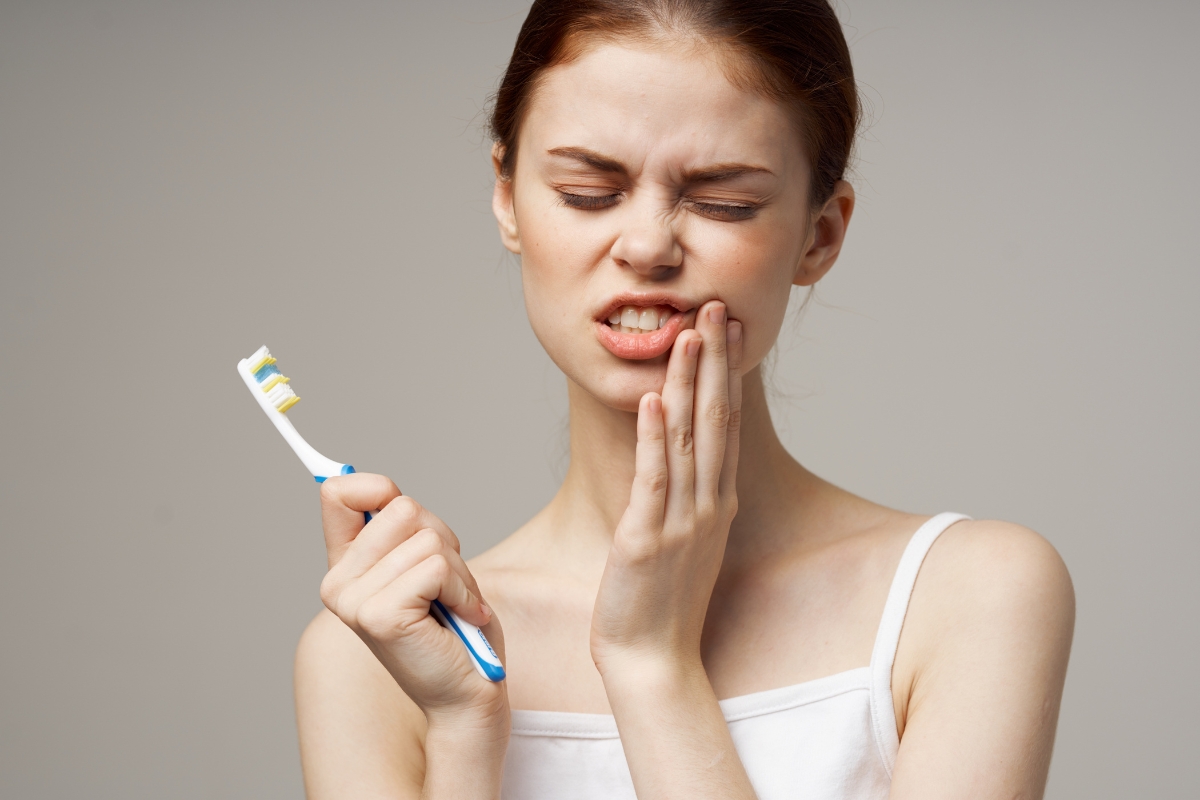
Most of us don’t think twice about brushing our teeth. It’s a simple habit—something you do half-awake in the morning or before bed. That’s why it can feel so unexpected when something suddenly doesn’t feel right. Maybe you felt a quick sharp sting, or one tooth started feeling different the moment your toothbrush touched it.
That moment can leave you wondering if you’ve done something wrong. Some people even pause mid-routine and start searching for an emergency dentist near me just to understand if it’s serious. The reality is, tooth damage while brushing can happen—but it’s often linked to small, repeated habits rather than one single moment.
Can Brushing Really Lead to Tooth Damage?
It might sound unlikely, but your brushing technique plays a bigger role than most people realize.
It’s Not About Brushing—It’s About How You Brush
Teeth are strong, but the outer layer, known as enamel, can gradually wear down. If you brush with too much force or use a brush that’s too firm, that pressure adds up over time.
Subtle Signs You Might Notice
- A sudden sensitive spot
- A tooth that feels slightly uneven
- Mild discomfort when brushing certain areas
- Gums that feel tender
These signs are easy to overlook at first, but they’re your body’s way of asking you to slow down.
Emergency Dentist Near Me: Knowing When It’s Urgent
Not every uncomfortable moment means you need immediate care, but some situations do need attention.
Take It Seriously If You Notice:
- A visible crack or chipped edge
- Pain that lingers instead of fading
- Bleeding that doesn’t stop easily
- Strong sensitivity that wasn’t there before
If any of these happen, it’s worth reaching out to an emergency dentist near you. It’s always better to check early than to wait until the problem gets worse.
What You Can Do Right Away
Give That Area a Break
If something felt off while brushing, pause and avoid that spot for a few hours.
Rinse Gently
Use room-temperature water to rinse your mouth. Avoid extremes—very hot or cold water can make sensitivity worse.
Choose Softer Foods for the Day
Try to avoid crunchy or sticky foods until things feel normal again.
Pay Attention
Sometimes, the feeling fades quickly. Other times, it sticks around. Noticing the difference helps you decide your next step.
Understanding Tooth Damage While Brushing
Brushing-related damage doesn’t always look dramatic. It can show up in small ways.
Gradual Enamel Wear
Over time, repeated pressure can lead to enamel wear, which makes teeth more sensitive.
Minor Surface Changes
You might notice a tooth feels slightly rough or different when you run your tongue over it.
Gum Changes
Brushing too hard can slowly push gums back, exposing more delicate parts of the tooth.
Why Sensitivity Shows Up
When enamel becomes thinner or gums shift, the inner layer of the tooth is less protected. That’s when you start to notice discomfort.
Common Triggers
- Cold drinks
- Sweet foods
- Brushing certain areas
Sensitivity doesn’t always mean serious damage, but it’s something to pay attention to.
Small Changes That Can Protect Your Teeth
The way you brush matters more than how hard you brush.
Switch to a Soft-Bristled Brush
This is one of the easiest ways to reduce stress on your teeth and gums.
Use a Light Touch
Think of brushing as cleaning, not scrubbing.
Slow Down
A rushed routine often leads to unnecessary pressure.
Replace Your Toothbrush Often
Old bristles can become rough and less effective.
People who visit a dentist in Manasquan often realize that adjusting these small habits makes their daily routine much more comfortable.
What Research Suggests
Dental studies have found that brushing too aggressively is a common cause of surface wear that isn’t related to cavities. Over time, this can lead to sensitivity and visible changes in the teeth.
The key takeaway is simple: gentler brushing is usually more effective in the long run.
Life in Manasquan, NJ: Everyday Habits Matter
In Manasquan, life can move quickly—getting ready for work, heading out early, or planning time near the coast. It’s easy to rush through brushing without thinking about how you’re doing it.
But brushing is something you do every day. Even small changes in how you do it can make a noticeable difference over time.
When It’s Time to Get It Checked
If a tooth still feels off after a day or two, or if the discomfort doesn’t improve, it’s a good idea to have it looked at.
A Manasquan dentist can check for any hidden issues and help you understand what’s going on. Even a quick visit can give you clarity and peace of mind.
Frequently Asked Questions
Can brushing too hard actually damage teeth?
Yes, repeated pressure over time can wear down enamel and affect your gums.
Is sensitivity after brushing something to worry about?
It depends. If it goes away quickly, it may not be serious. If it stays, it’s worth checking.
Should I stop brushing if it hurts?
Pause briefly and then return with a gentler approach rather than skipping oral care.
What type of toothbrush is best?
Most people benefit from using a soft-bristled toothbrush.
When should I see a dentist?
If discomfort, visible changes, or sensitivity continue, it’s best to have it evaluated.
Final Thoughts
It can feel strange to think that brushing—something meant to protect your teeth—might sometimes cause discomfort. But often, it comes down to technique rather than the act itself.
Being a little more mindful each day can help prevent problems before they start. And if something doesn’t feel right, it’s always okay to schedule an appointment and get reassurance that everything is on track.