
General & Emergency: 732-528-0600

What Should You Do If Your Gums Start Bleeding Suddenly?

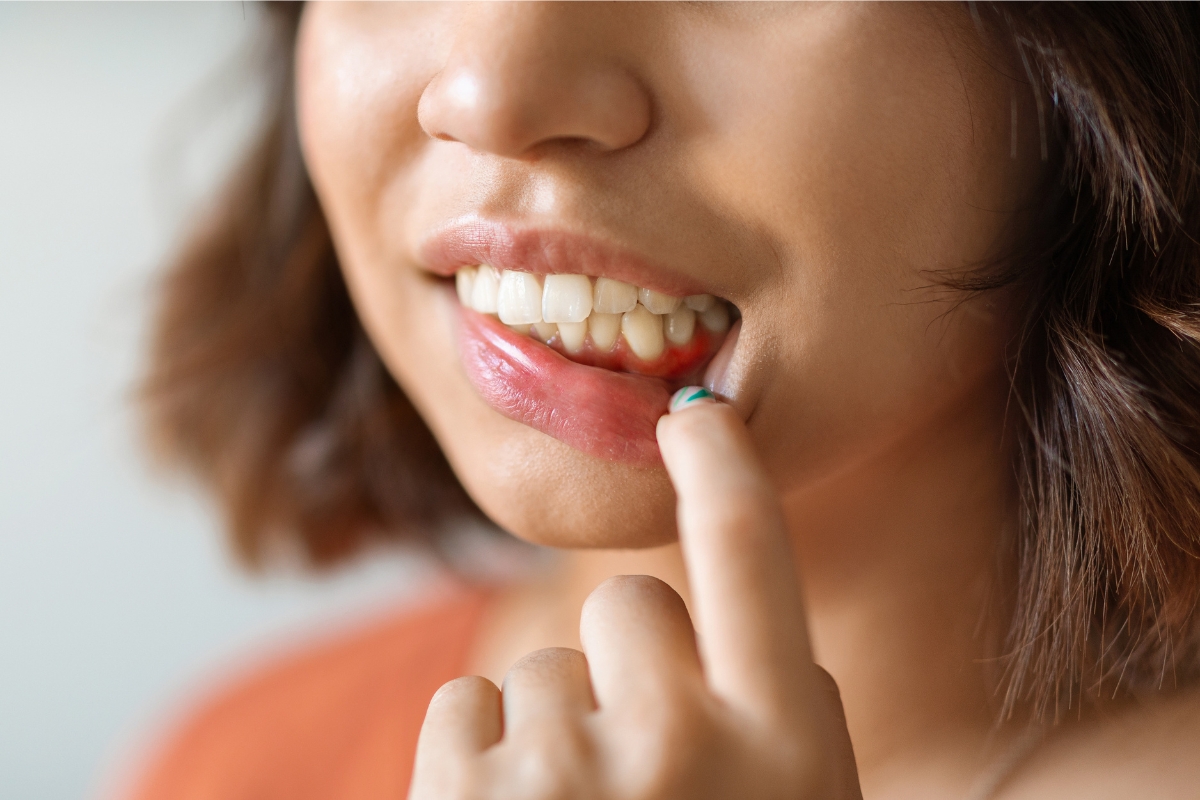
Seeing blood in the sink while brushing or flossing can catch anyone off guard. Many people assume it is nothing serious, but unexpected gum bleeding should not be ignored. Your gums are an important part of your oral health, and bleeding may be your body’s way of signaling that something is wrong.
Healthy gums usually stay firm and do not bleed during normal brushing or flossing. When bleeding appears suddenly, it may point to irritation, infection, or early gum disease. In some cases, the issue can progress quickly if it is not addressed.
If you are experiencing a bleeding gums emergency, it is important to understand the possible causes and know what steps to take. Acting early can prevent a small problem from becoming a larger dental concern.
Why Do Gums Suddenly Start Bleeding?
Gum tissue is sensitive and reacts quickly to inflammation or bacterial buildup. Even small changes in oral hygiene habits can lead to bleeding.
In many situations, sudden bleeding happens when plaque accumulates along the gumline. The bacteria in plaque can irritate gum tissue and cause swelling. When the gums become inflamed, brushing or flossing may lead to noticeable oral bleeding.
In the second or third stage of gum irritation, what starts as mild inflammation may turn into a bleeding gums emergency if infection spreads deeper into the gum tissue.
Common Reasons Gums Begin to Bleed
Early Gum Disease
Gingivitis is one of the most frequent causes of bleeding gums. It begins when plaque remains on the teeth for too long. The bacteria irritate the gum tissue, causing redness, swelling, and bleeding.
If gingivitis is not treated, it can develop into periodontitis, a more advanced infection that may lead to tooth loss and even a periodontal emergency.
Inconsistent Oral Hygiene
Skipping brushing or flossing allows plaque and bacteria to build up around the teeth. Over time, this buildup irritates the gums and causes bleeding.
Brushing Too Hard
Using excessive pressure or a hard toothbrush can damage delicate gum tissue and lead to bleeding.
Nutritional Deficiencies
Low levels of vitamins such as vitamin C may weaken gum tissue and increase the chance of bleeding.
Certain Health Conditions or Medications
Blood-thinning medications, diabetes, and other health issues can sometimes contribute to gum problems or increased oral bleeding.
According to the American Dental Association, gum disease affects a large portion of adults in the United States. Studies estimate that nearly half of adults over age 30 experience some form of periodontal disease, making gum bleeding an early warning sign that should not be ignored.
Signs That Bleeding Gums May Be a Dental Emergency
Occasional bleeding may happen after flossing or brushing too hard. However, repeated or heavy bleeding can signal a gum health emergency.
Pay attention to other symptoms that appear along with bleeding.
Warning Signs to Look For
- Gums that appear swollen or very red
- Persistent bleeding that happens daily
- Gum infection symptoms such as pus or tenderness
- Pain when chewing or touching the gums
- Persistent bad breath
- Loose or shifting teeth
If several of these symptoms appear together, the condition may require prompt evaluation by an emergency dentist.
What Should You Do If Your Gums Start Bleeding Suddenly?
If your gums begin bleeding unexpectedly, taking a few simple steps can help reduce irritation until you can see a dental professional.
Rinse with Warm Salt Water
A saltwater rinse can help calm inflamed tissue and reduce bacteria inside the mouth. Mix a small amount of salt into warm water and rinse gently.
Apply Light Pressure
If bleeding continues, place clean gauze or a damp cloth against the affected area and apply gentle pressure for several minutes.
Adjust Your Brushing Technique
Switching to a soft-bristled toothbrush and brushing gently can help protect the gums from further irritation.
Avoid Foods That May Irritate the Gums
Crunchy or spicy foods can make gum irritation worse. Choosing softer foods for a short period may help the gums recover.
Contact a Dentist if Bleeding Continues
If bleeding does not improve or happens frequently, a dentist should evaluate the condition. Early care can help prevent infection from spreading deeper into the gum tissue.
When Should You See a Dentist Right Away?
While mild gum irritation may improve within a day or two, certain symptoms require immediate dental attention.
You should contact a dentist quickly if you notice:
- Bleeding that continues for more than 10–15 minutes
- Severe swelling or tenderness in the gums
- Fever along with gum discomfort
- Pus or signs of infection
- Ongoing gum infection symptoms
People living in coastal communities like Manasquan, NJ often rely on regular dental visits to catch these issues early. Prompt treatment can prevent gum disease from progressing and protect the teeth and jawbone.
How Dentists Treat Sudden Gum Bleeding
A dental visit for bleeding gums usually begins with a careful exam. The dentist may measure the space between the teeth and gums and look for signs of infection or plaque buildup.
Possible Treatment Options
Professional Cleaning
Removing plaque and tartar can reduce inflammation and allow the gums to heal.
Deep Cleaning Procedures
Scaling and root planing remove bacteria below the gumline and smooth the tooth roots.
Antibacterial Rinses or Medication
These treatments help reduce infection and support gum recovery.
Guidance on Daily Oral Care
Dentists often recommend small changes in brushing technique, flossing habits, and oral hygiene products.
How to Reduce the Risk of Gum Emergencies
Preventing gum problems often comes down to maintaining a steady oral hygiene routine.
Simple habits can make a big difference.
- Brush twice a day with a soft toothbrush
- Floss daily to remove plaque between teeth
- Visit a dentist regularly for exams and cleanings
- Eat a balanced diet with vitamins and minerals
- Avoid tobacco products
These preventive steps help keep gum tissue healthy and reduce the chances of unexpected bleeding.
Frequently Asked Questions
Are bleeding gums always serious?
Not always. Minor irritation from brushing or flossing may cause temporary bleeding. However, frequent bleeding may indicate gum disease or infection and should be checked by a dentist.
Can gum disease develop without pain?
Yes. Many people experience bleeding gums without pain in the early stages of gum disease.
Should I stop brushing if my gums bleed?
No. Continue brushing gently with a soft-bristled toothbrush. Good oral hygiene helps reduce bacteria that cause inflammation.
Can stress affect gum health?
Stress can weaken the immune system, which may make it harder for the body to fight gum infections.
How long should bleeding gums last?
Minor bleeding may stop within a few minutes. Persistent bleeding should be evaluated by a dentist.
Taking Sudden Gum Bleeding Seriously
Unexpected gum bleeding may seem minor at first, but it often signals that your gums need attention. Early care can prevent gum disease from becoming more severe and help protect your long-term oral health.
If you notice ongoing bleeding, swelling, or other gum health emergency symptoms, it may be helpful to speak with a dentist who can evaluate the condition and guide you toward the right treatment.
If your gums continue to bleed or feel uncomfortable, reaching out to a dental professional to schedule an appointment can help ensure your gums receive the care they need.