General & Emergency: 732-528-0600

String Floss or Water Flossing: Which is Better?

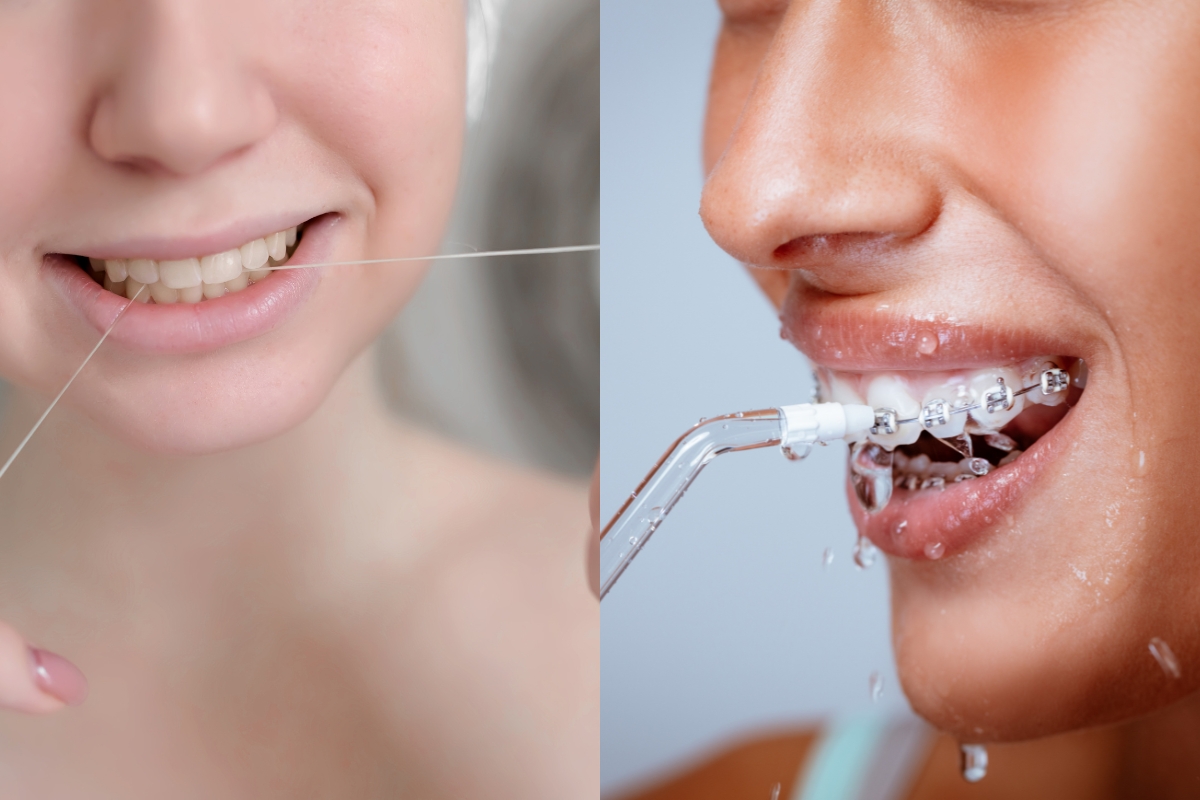
Most people know they should clean between their teeth every day, but not everyone agrees on the best way to do it. Some prefer traditional dental floss because it has been a trusted part of oral care for decades. Others enjoy the convenience and comfort of water flossers. If you’re trying to decide between the two, it’s helpful to understand what each one brings to the table.
The reality is that there isn’t a universal winner. Every mouth is different, and the right choice often depends on factors such as your dental health, lifestyle, and personal comfort. What works perfectly for one person may not be the ideal solution for another.
When patients visit a Manasquan dentist, one of the common questions they ask is whether a water flosser can completely replace regular floss. The answer isn’t always straightforward. Both methods can support healthy teeth and gums, but they work in different ways and serve different purposes.
At Beautiful Smiles of NJ, we encourage patients to focus on building a routine they can maintain long-term. A flossing method that fits comfortably into your day is more valuable than one that feels like a chore and gets skipped altogether.
How Water Flossers Work
A water flosser directs a controlled stream of water between the teeth and around the gumline. Rather than scraping the tooth surface, it helps wash away food particles and loosen debris from areas that are difficult to reach with a toothbrush alone.
Many people enjoy the fresh, clean feeling they experience after using a water flosser. It can also be particularly useful for individuals who have dental appliances that make traditional flossing more challenging.
Reasons People Choose Water Flossers
Comfortable for Sensitive Mouths
Some individuals find regular floss uncomfortable, especially if their gums are tender. Water flossers provide a gentler approach that many people find easier to tolerate.
Helpful Around Dental Appliances
Braces, fixed retainers, bridges, and implants can create small spaces that are difficult to clean. A stream of water can help remove trapped debris from these hard-to-reach areas.
Easier for Limited Hand Mobility
For people dealing with arthritis or reduced finger dexterity, maneuvering traditional floss can be frustrating. Water flossers simplify the process.
Encourages Consistent Use
Many users simply enjoy the experience more, making them more likely to clean between their teeth every day.
Potential Drawbacks
Water flossers require a larger upfront investment than a package of floss. They also take up space on the bathroom counter and aren’t always convenient for travel.
Additionally, some people need time to get comfortable using them. It’s not unusual to splash water around the sink during the first few attempts.
Why Traditional Floss Remains Popular
Long before powered dental devices became common, floss was helping people clean areas that toothbrushes couldn’t reach. Even today, many dental professionals continue to recommend it as an important part of daily oral care.
Traditional floss slides between teeth and physically removes plaque and debris from surfaces where bacteria tend to accumulate.
Advantages of Traditional Floss
Direct Contact With Tooth Surfaces
One reason floss has remained a staple in oral care is its ability to make direct contact with the sides of teeth. This allows it to remove buildup that may otherwise remain in place.
Budget-Friendly
A container of floss costs very little and can last a long time, making it one of the most affordable oral hygiene products available.
Easy to Carry Anywhere
Whether you’re traveling for work or heading out for the weekend, floss fits easily into a bag, purse, or pocket.
No Equipment Required
Unlike powered devices, floss doesn’t need batteries, charging, or countertop storage.
Challenges Some People Face
Traditional flossing can feel difficult for individuals with crowded teeth, extensive dental work, or limited hand mobility. Some people also struggle with technique, which may lead to ineffective cleaning or occasional gum irritation.
Which One Should You Use?
Instead of asking which option is better, it may be more helpful to ask which option you’ll use consistently.
Someone with braces may find a water flosser incredibly useful. Another person with healthy teeth and a simple oral care routine may prefer traditional floss because it’s quick and effective. For many individuals, using both methods provides an extra level of cleanliness.
A conversation with a Manasquan dentist can help you determine which approach makes the most sense for your specific situation. Factors such as gum health, dental restorations, orthodontic treatment, and personal preferences all play a role.
The most important thing is not whether you choose water flossing or string floss. What truly matters is cleaning between your teeth every day and pairing that habit with regular brushing and professional dental care.
Final Thoughts
Every smile has different needs, which is why there is no single flossing method that works for everyone. Whether you prefer the simplicity of traditional floss, the convenience of a water flosser, or a combination of both, maintaining the habit is what makes the biggest difference.
Schedule an appointment with Beautiful Smiles of NJ today to receive personalized guidance from an experienced Manasquan dentist and keep your smile healthy for years to come.
Frequently Asked Questions
Does a water flosser remove plaque?
A water flosser can help remove food particles and reduce bacteria around the gumline. However, it works differently than traditional floss, which physically wipes plaque from tooth surfaces.
Is traditional floss outdated?
Not at all. Traditional floss continues to be a widely recommended tool for cleaning between teeth and supporting gum health.
Are water flossers suitable for people with dental implants?
Yes. Many patients with implants, bridges, or orthodontic appliances find water flossers helpful because they can clean areas that are more difficult to access with regular floss.
What if I dislike using traditional floss?
If flossing feels difficult or uncomfortable, a water flosser may help you maintain a more consistent routine. The best method is often the one you’ll actually use every day.
How often should I clean between my teeth?
Most dental professionals recommend cleaning between your teeth at least once daily to help reduce plaque buildup and support healthy gums.