General & Emergency: 732-528-0600

What to Expect When Removing a Damaged Tooth

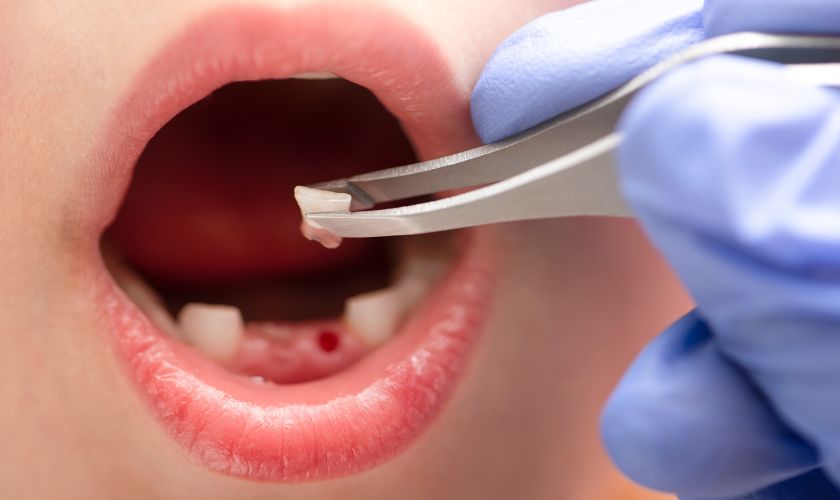
Losing a tooth can be a daunting experience, but with proper care and knowledge, the removal process and recovery can be smooth and straightforward. Damaged teeth that are beyond repair may necessitate an extraction to prevent further complications and maintain oral health. If you’re facing a tooth extraction, here’s a breakdown of what to expect during the procedure and how to ensure optimal healing.
Before the Extraction: Consultation and Preparation
Before your extraction appointment, a consultation with your dentist in Manasquan, NJ, is crucial. This visit enables your dentist to thoroughly examine the tooth, determine the reason for its removal, and evaluate your overall dental health. X-rays might be taken to determine the tooth’s root structure and surrounding bone.
During the consultation, discuss any medical conditions you have and medications you’re taking. This information helps your dentist tailor the extraction procedure and aftercare instructions to your specific needs. If you have any anxieties about the procedure, don’t hesitate to voice them.
In some cases, depending on your medical history, antibiotics might be prescribed before the extraction to minimize the risk of infection.
The Extraction Procedure: Addressing Your Concerns
The extraction procedure itself is typically performed with local anesthesia, numbing the area around the tooth. This ensures minimal discomfort during the removal. In some situations, particularly for wisdom teeth extraction or patients with dental anxiety, sedation dentistry using nitrous oxide (laughing gas) or intravenous (IV) sedation might be recommended.
There are two main types of tooth extractions:
- Simple Extraction: This is the most common type, suitable for loose or visible teeth. Using specialized instruments like elevators and forceps, the dentist gently loosens and removes the tooth from its socket.
- Surgical Extraction: This is required for impacted teeth (completely or partially buried within the jawbone) or teeth with complex root structures. It might involve making a small incision in the gum tissue and removing some bone to access the tooth. Stitches are often used to close the gum tissue after the extraction.
The entire extraction process typically takes 30-60 minutes, depending on the complexity of the case.
After the Extraction: Healing and Recovery
Following the extraction, it’s crucial to follow your dentist’s post-operative instructions diligently to promote optimal healing and minimize discomfort. Here are some key aftercare tips:
- Bleeding: Slight bleeding is normal after an extraction. Bite down firmly on gauze provided by your dentist for 20-30 minutes to control bleeding.
- Pain Management: Over-the-counter pain relievers like ibuprofen or acetaminophen can help manage discomfort.
- Swelling: Swelling around the extraction site is common and typically peaks within 2-3 days. Apply an ice pack to the affected area for 15-20 minutes at a time, with intervals in between, to reduce swelling.
- Diet: Stick to soft foods like yogurt, applesauce, and mashed potatoes for the first few days after the extraction. Avoid hot and spicy foods, as well as foods that require chewing excessively.
- Oral Hygiene: Maintain gentle but thorough oral hygiene. Brush your teeth carefully, avoiding the extraction site, and rinse with a saltwater solution (dissolve half a teaspoon of table salt in a cup of warm water) several times a day.
- Rest: Adequate rest is essential for healing.
It’s important to note that smoking can significantly hinder the healing process and increase the risk of complications. Avoid smoking for at least a week following the extraction.
Potential Complications and When to Call Your Dentist
While uncommon, some minor complications can arise after a tooth extraction. These include:
- Excessive Bleeding: If bleeding persists for more than 24 hours after the extraction, contact your dentist immediately.
- Persistent Pain: While some discomfort is expected, if the pain worsens or doesn’t subside within a few days, consult your dentist.
- Fever: A slight fever can occur after the extraction, but a high or persistent fever might indicate infection.
- Dry Socket: This occurs when the blood clot in the extraction site dislodges, exposing the bone and causing significant pain. If you experience throbbing pain and a foul taste in your mouth, contact your dentist right away.
If you experience any of these complications, don’t hesitate to reach out to your dentist in Manasquan, NJ. They can assess the situation and recommend appropriate treatment.
Tooth extraction, while necessary in some cases, can be a nerve-wracking experience. However, with proper communication with your dentist and adherence to post-operative instructions, the process and recovery can be manageable. If you have any questions or concerns regarding tooth extraction, consult your dentist in Manasquan, NJ.