General & Emergency: 732-528-0600

What Foods Should You Avoid With Braces?


Getting braces is an important step toward a straighter smile, but it also comes with a few everyday adjustments. One of the first things many patients notice is that their eating habits may need to change. Foods that once seemed harmless can suddenly become a problem when brackets and wires are involved.
For families and teens in Manasquan, NJ, this adjustment is usually temporary, but it plays a big role in keeping orthodontic treatment on schedule. A broken bracket or bent wire might not seem like a major issue, yet it can interrupt the progress your braces are designed to make.
Understanding proper braces care begins with knowing what foods to limit or avoid. While braces are durable, certain types of food—especially sticky foods and hard foods—can damage them or make cleaning your teeth more difficult.
In the sections below, we’ll look at which foods tend to cause the most problems, along with simple orthodontic diet tips that can help make your treatment smoother.
Why Diet Matters When You Wear Braces
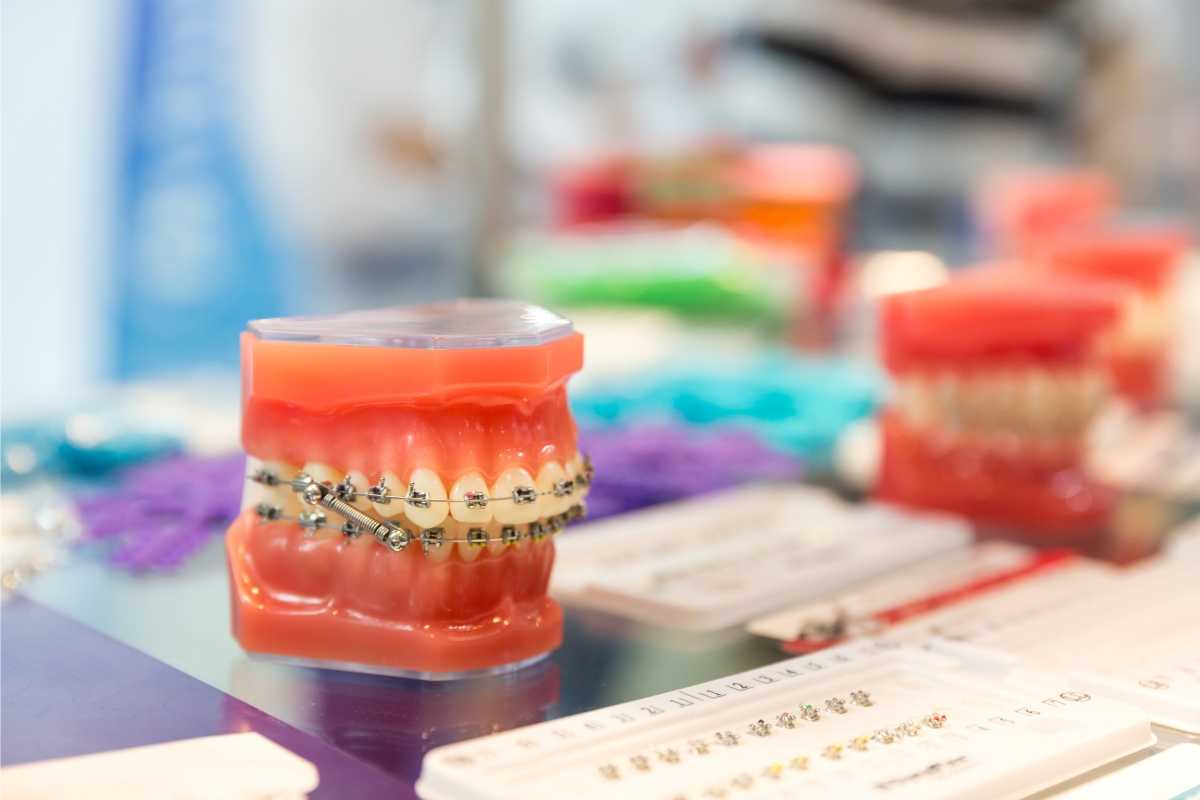
Braces gradually move teeth into better alignment using gentle, consistent pressure. Brackets are attached to the teeth, and wires connect them to guide tooth movement over time.
Even though the materials used in orthodontics are strong, they are not designed to handle extreme pressure. Hard or sticky foods can loosen brackets, bend wires, or get trapped in tight spaces around the braces.
Orthodontic research has shown that appliance breakage is one of the most common reasons orthodontic treatment takes longer than expected. Many orthodontic repairs happen simply because of food choices.
That is why orthodontists stress good braces maintenance, including thoughtful eating habits throughout treatment.
Patients visiting an orthodontist in Manasquan often receive a list of recommended foods along with guidance on what to avoid to keep their braces functioning properly.
Sticky Foods That Can Cause Trouble
Sticky foods are one of the biggest challenges for people wearing braces. Their texture allows them to cling tightly to brackets and wires.
Why Sticky Foods Are Risky
When sticky foods attach to braces, they can:
- Pull brackets loose from teeth
- Stretch or bend wires
- Leave sugar trapped around braces
- Make brushing more difficult
Over time, trapped food and sugar can also increase plaque buildup around brackets.
Examples of Sticky Foods to Avoid
Common sticky foods include:
- Caramel candies
- Taffy
- Gummy snacks
- Chewing gum
- Sticky granola bars
While these treats are popular, avoiding them can help protect your braces and simplify daily braces care.
Hard Foods That Can Break Brackets
Hard foods create a different type of problem. Instead of sticking to braces, they can apply sudden pressure that damages orthodontic appliances.
Hard Foods to Limit
Foods that commonly cause bracket damage include:
- Hard candy
- Ice cubes
- Nuts
- Popcorn kernels
- Hard pretzels
Even healthy foods can create problems if they are eaten incorrectly. Biting directly into whole apples, carrots, or corn on the cob can put too much pressure on braces.
A simple solution is to cut these foods into smaller pieces before eating them. This small change can make a big difference in protecting your orthodontic appliances.
Crunchy Snacks That Require Extra Care
Crunchy foods are not always completely off limits, but they should be eaten carefully.
Examples of Crunchy Foods
These foods can sometimes cause issues if eaten too aggressively:
- Chips
- Hard taco shells
- Crackers
- Crusty bread
When these foods break apart, sharp fragments may press against brackets and wires.
Many patients working with an orthodontist in Manasquan are encouraged to chew slowly and avoid biting directly into very crunchy items.
Sugary Foods and Their Impact on Braces
While sugar does not directly break braces, it can lead to other dental concerns during orthodontic treatment.
Sugar feeds bacteria in the mouth. When bacteria break down sugar, they produce acids that weaken tooth enamel. When braces are present, these acids can collect around brackets and lead to white spots or cavities.
Because braces create more small spaces where food particles can hide, maintaining good braces maintenance habits becomes especially important.
Brushing carefully after meals and limiting sugary snacks can help protect your teeth during treatment.
Orthodontic Diet Tips That Make Braces Care Easier
The good news is that many foods are still perfectly safe to eat with braces. In fact, some foods are ideal during orthodontic treatment.
Here are a few practical orthodontic diet tips that can help:
Choose Softer Foods
Soft foods are easier to chew and place less pressure on braces.
Examples include:
- Yogurt
- Pasta
- Rice
- Eggs
- Bananas
- Cooked vegetables
These foods are gentle on brackets and comfortable to eat after orthodontic adjustments.
Cut Foods Into Smaller Pieces
If you enjoy fruits like apples or vegetables like carrots, slicing them into smaller pieces can help prevent unnecessary strain on braces.
Avoid Chewing on Non-Food Items
Some people chew on pens, fingernails, or ice without realizing it. These habits can damage braces quickly.
Keep Up With Oral Hygiene
Food particles often collect around braces, so brushing and flossing carefully every day is essential for proper braces care.
Patients who receive regular guidance from an orthodontist often find that these small habits make a noticeable difference during treatment.
What If a Bracket or Wire Breaks?
Even with careful habits, orthodontic appliances can occasionally loosen or break.
If a bracket falls off or a wire bends, it’s important to contact your orthodontic office promptly. Waiting too long may interfere with how your teeth are moving.
Orthodontic teams serving the Manasquan area often encourage patients to report these issues early so adjustments can be made quickly.
If you have concerns about your braces, your diet, or your oral hygiene routine, it may help to schedule an appointment so your orthodontic provider can evaluate your braces and offer guidance based on your treatment plan.
FAQs About Foods and Braces
What foods are safest to eat with braces?
Soft foods such as pasta, yogurt, eggs, bananas, and cooked vegetables are generally safe options. These foods reduce pressure on brackets and support proper braces care.
Can you eat popcorn with braces?
Popcorn is usually discouraged because kernels can get stuck between braces and teeth or damage brackets.
Are chips allowed with braces?
Some chips can be eaten carefully, but very crunchy varieties may increase the risk of bracket damage. Eating slowly and in small portions can help.
Why are sticky foods bad for braces?
Sticky foods cling to brackets and wires, making them difficult to remove with brushing. This can increase plaque buildup and cause orthodontic issues.
Can food choices affect orthodontic treatment time?
Yes. Damaged braces may slow down tooth movement and extend treatment time, which is why orthodontic diet tips are important.
Protecting Your Braces Helps Protect Your Smile
Adjusting your diet during orthodontic treatment may feel challenging at first, but most patients adapt quickly. Avoiding sticky foods, hard foods, and extremely crunchy snacks helps prevent damage and keeps your treatment progressing smoothly.
Good braces care includes brushing, flossing, and paying attention to the foods you eat each day. These habits support both your oral health and the effectiveness of your braces.
If you have questions about safe foods, braces maintenance, or personalized orthodontic diet tips, speaking with an orthodontist Manasquan can provide helpful guidance.