General & Emergency: 732-528-0600

What Causes a Deep Bite and How Is It Treated?


A deep bite, also known as an overbite, is a common dental issue that occurs when the upper teeth overlap the lower teeth excessively. This condition can cause discomfort, lead to potential oral health problems, and affect a person’s appearance and confidence. If you or someone you know has a deep bite, it’s important to understand the causes and treatment options available.
What is a Deep Bite?
A deep bite is a dental condition where the upper front teeth (maxillary incisors) cover a significant portion of the lower front teeth (mandibular incisors). In some cases, the upper teeth may even cover the lower teeth entirely, causing discomfort and an imbalance in the bite. This misalignment can affect how the teeth function, causing issues with chewing, speaking, and even oral hygiene.
Common Causes of a Deep Bite
Several factors contribute to the development of a deep bite. Some of the most common causes include:
1. Genetics
One of the primary causes of a deep bite is genetics. If your parents had a deep bite or other types of misalignment, you are more likely to develop similar issues. Inherited traits such as the size and shape of your teeth or jaw can lead to bite problems.
2. Jaw Misalignment
Sometimes, deep bites can be caused by a misalignment of the upper and lower jaws. This is typically a skeletal issue where the upper jaw is too prominent or the lower jaw is too short. Jaw misalignment can result from abnormal growth patterns or developmental issues during childhood.
3. Thumb Sucking or Pacifier Use
For young children, thumb sucking and prolonged use of a pacifier can affect the development of the teeth and jaw. These habits can push the upper teeth forward and result in an overbite, leading to a deep bite if not corrected early.
4. Mouth Breathing
Breathing through the mouth, especially during childhood, can also contribute to the development of a deep bite. This habit can affect the position of the teeth and alter the growth of the jaw, potentially leading to an overbite.
5. Missing Teeth or Teeth Crowding
Missing teeth or severe teeth crowding can also lead to misalignments that result in a deep bite. When teeth are missing, the remaining teeth may shift out of place, causing an uneven bite. Similarly, crowded teeth can cause the upper teeth to overlap excessively with the lower teeth.
Symptoms of a Deep Bite
A deep bite may not always cause immediate pain, but it can lead to several long-term issues, such as:
- Difficulty chewing or biting: A deep bite can interfere with proper chewing, making eating uncomfortable or difficult.
- Tooth wear: Excessive pressure on certain teeth due to misalignment can cause them to wear down prematurely.
- Gum irritation: The deep bite can cause the upper teeth to press against the gums of the lower teeth, leading to irritation or even gum recession.
- Speech difficulties: In some cases, a deep bite can impact speech, making it harder to pronounce certain words.
- Temporomandibular joint (TMJ) pain: The misalignment can cause strain on the jaw joints, leading to jaw pain, clicking, or difficulty opening the mouth fully.
How is a Deep Bite Treated?
Fortunately, a deep bite can be treated with various methods, depending on the severity and underlying cause of the condition. The following are common treatment options:
1. Braces
Braces are the most common and effective treatment for correcting a deep bite. Braces work by gradually shifting the teeth into their proper alignment over time. They are ideal for children and adults alike and can help resolve bite issues caused by tooth misalignment. In some cases, additional devices like rubber bands may be used to correct jaw alignment.
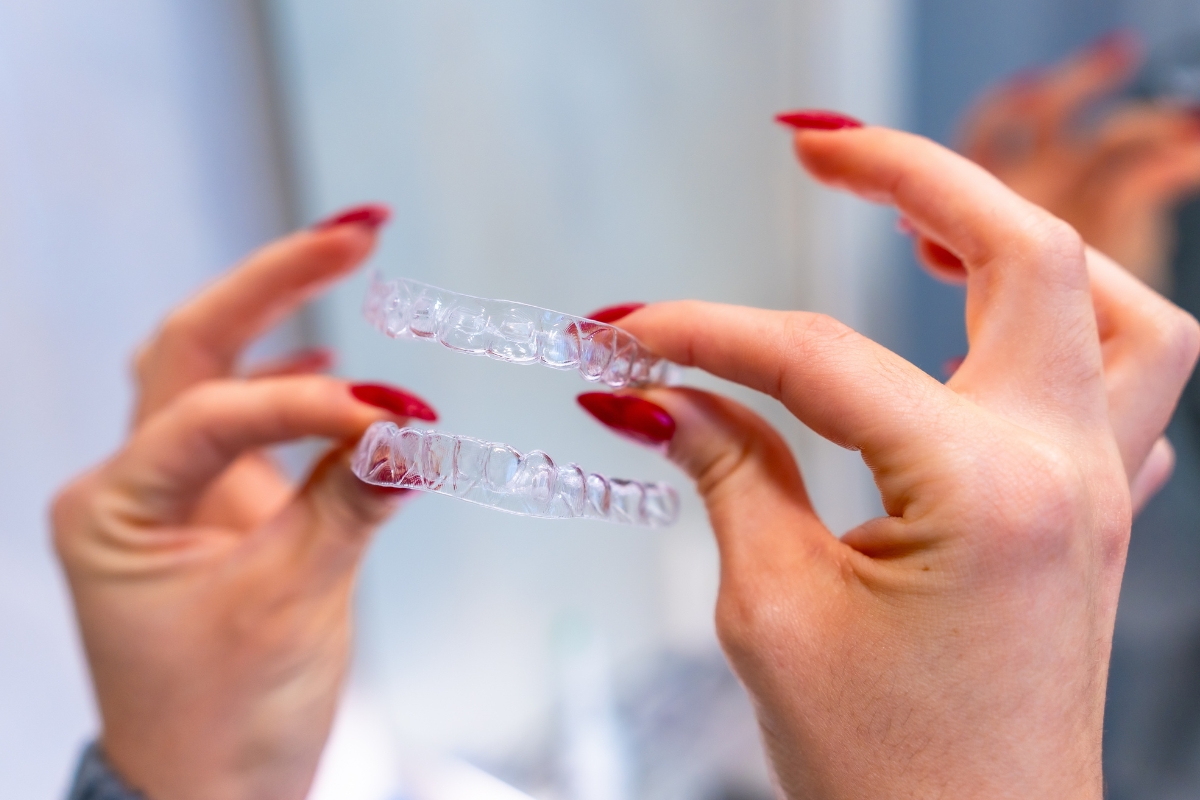
2. Clear Aligners (Invisalign®)
For those who prefer a more discreet treatment option, clear aligners like Invisalign® are an excellent alternative to traditional braces. These custom-made, removable trays help align the teeth gradually without the need for metal brackets and wires. Invisalign® can be particularly effective for mild to moderate deep bites.
3. Jaw Surgery
In more severe cases where the deep bite is caused by jaw misalignment, surgery may be necessary. Orthognathic surgery (jaw surgery) is performed to reposition the upper or lower jaw to correct skeletal issues that contribute to a deep bite. This surgery is typically recommended when orthodontic treatment alone is insufficient to correct the bite.
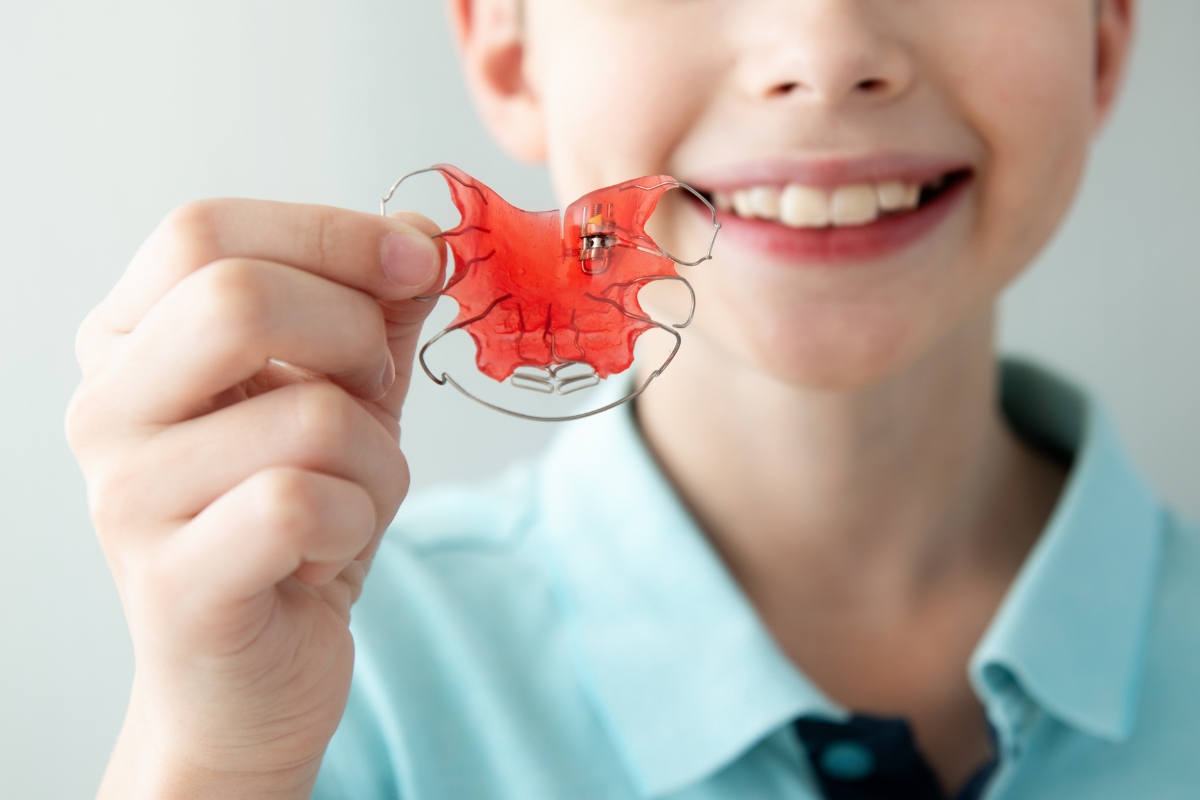
4. Retainers
After braces or Invisalign® treatment, retainers are often recommended to maintain the new position of the teeth and prevent the deep bite from returning. Retainers help ensure that the teeth stay aligned and do not shift back to their original positions.
5. Tooth Extraction
In some cases, tooth extraction may be necessary to create space for the teeth to move into a better position. This can help reduce overcrowding and improve bite alignment. Tooth extraction is often used in combination with braces or clear aligners.
Preventing a Deep Bite
While genetics plays a significant role in the development of a deep bite, there are steps you can take to minimize the risk of this condition:
- Encourage good oral habits: For young children, avoiding thumb sucking or excessive pacifier use can help prevent bite issues.
- Monitor jaw development: Regular dental checkups from an early age can help identify bite problems before they become more serious.
- Breathing through the nose: Teaching children to breathe through their nose instead of their mouth can promote healthy jaw and teeth development.
Conclusion
A deep bite is a common but treatable dental issue that can affect both your appearance and oral health. Whether caused by genetics, jaw misalignment, or oral habits, there are various treatment options available, from braces to jaw surgery. If you suspect that you have a deep bite, it’s important to consult with an orthodontist to discuss the best treatment plan for you. With early intervention and proper care, you can achieve a healthy, balanced bite and improve your overall dental function.