General & Emergency: 732-528-0600

What Age Should My Child See an Orthodontist?

As a parent, you want the best for your child, especially their health. One area that’s often overlooked in early childhood is orthodontic care. While braces are commonly associated with teenagers, many orthodontic issues can be identified and addressed earlier. So, when should your child first see an orthodontist? The answer may surprise you.
The Recommended Age for the First Orthodontic Visit
The American Association of Orthodontists (AAO) recommends that children have their first orthodontic evaluation by age 7. At this age, your child will likely have a mix of baby and permanent teeth, making it easier for orthodontists to spot potential problems with jaw growth, alignment, and bite issues before they become more serious.
This doesn’t necessarily mean that treatment will begin immediately. In many cases, orthodontists monitor the child’s development and intervene only when necessary. However, early evaluations provide an essential baseline and can help reduce the complexity or duration of treatment later on.
Why Age 7 Matters for Orthodontic Health?
At age 7, key dental and skeletal developments are underway. This age offers a unique window for identifying conditions like crowding, overbite, underbite, or even airway obstructions. Because the jaw is still growing, early intervention can help guide its development in a healthier direction. In some cases, appliances such as expanders or partial braces may be used to prevent more severe problems down the road.
What to Expect During the First Orthodontic Visit
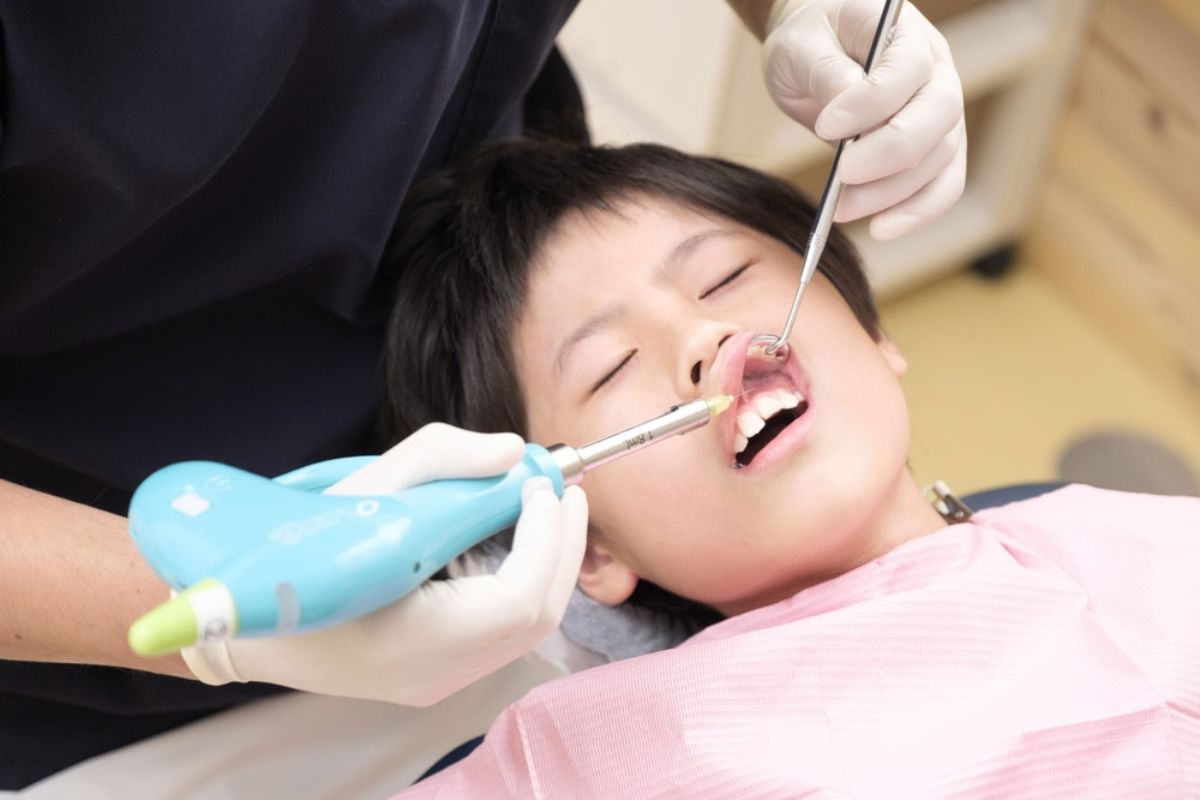
Many parents are unsure of what happens at an early orthodontic appointment. The first visit usually includes a visual examination, X-rays, and digital images to assess tooth and jaw positioning. It’s noninvasive and pain-free, allowing the orthodontist to develop a comprehensive treatment plan if needed or recommend follow-ups every six months to monitor growth.
If you’re located in Monmouth County or nearby, scheduling an initial consultation with a Manasquan Orthodontist can help you understand whether your child is developing on track or may benefit from early care. Our team uses modern technology and a personalized approach to ensure your child’s comfort and optimal results.
Early Treatment vs. Later Treatment
Some orthodontic issues are best treated early, especially those related to jaw growth or spacing. Catching these concerns sooner can eliminate the need for more invasive procedures later, such as jaw surgery or tooth extractions. However, conditions like mild crookedness or gaps may not require treatment until adolescence, when most permanent teeth have come in.
This is why a tailored approach is essential. Each child is different, and a skilled orthodontist can determine the most effective treatment timeline. Whether your child requires early intervention or a simple watch-and-wait approach, it’s reassuring to know that professional guidance is available.
Trusting Your Orthodontist’s Guidance
Choosing an orthodontist with experience working with children and families is essential. A warm, friendly environment and a clear explanation of what’s happening at each stage can ease any anxiety your child might feel. When you visit our office, you’ll see that we prioritize comfort and transparency.
Parents often find relief in understanding what lies ahead and knowing they’re making proactive decisions for their child’s dental future. In rare cases where early orthodontic treatment is necessary, it often prevents more complex or costly treatments later in life.
Final Thoughts
Deciding when your child should see an orthodontist doesn’t have to be complicated. By scheduling that first visit around age 7, you give your child the advantage of early detection and, if needed, early treatment. This small step can lead to a healthier, more confident smile for years to come.
If you’re looking for a trusted local expert, a Manasquan Orthodontist can offer personalized care and experienced insight into your family’s needs. Don’t wait for issues to become visible—early evaluation is the key to long-term oral health.