
General & Emergency: 732-528-0600

The Most Common Dental Emergencies and How to Prevent Them

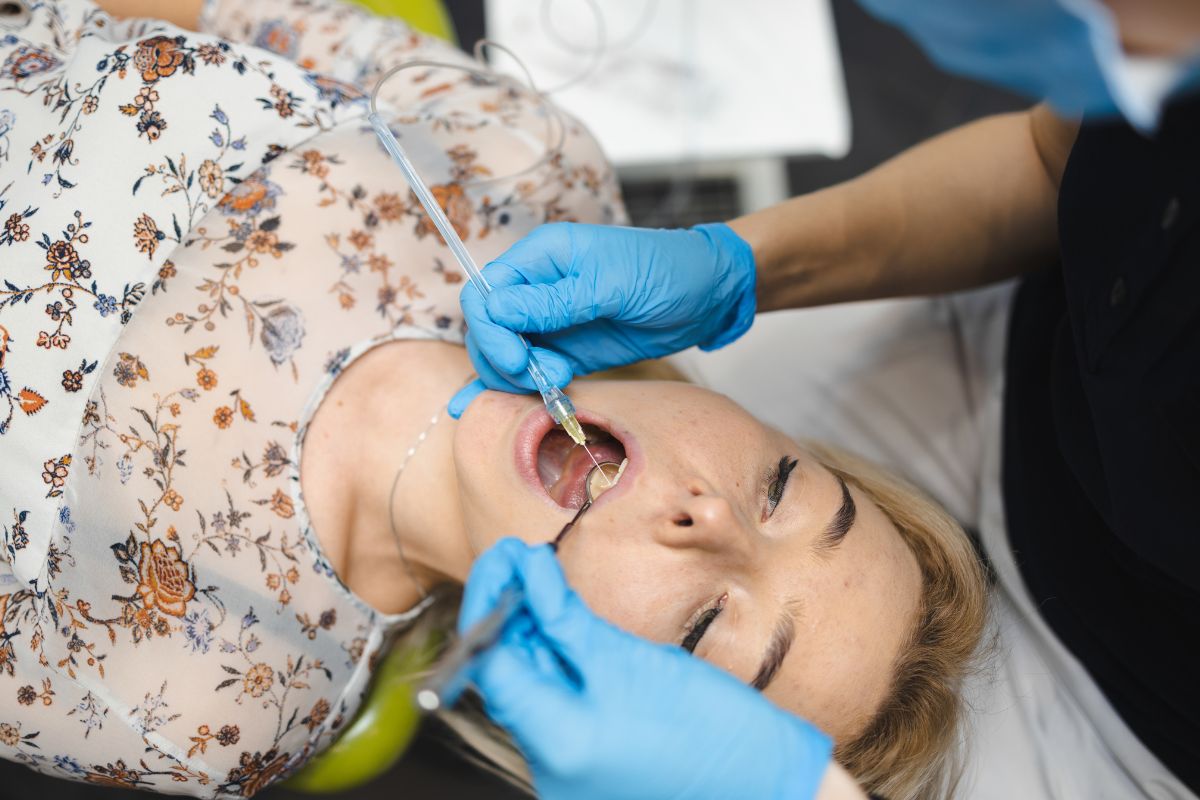
Dental emergencies often occur without warning, causing pain, discomfort, and sometimes panic. Knowing how to respond to and prevent these situations can help protect your long-term oral health, whether you have a sudden toothache or an injury during sports.
Let’s explore the seven most common dental emergencies—and what you can do to avoid them.
Toothaches That Won’t Go Away
Why Persistent Pain Is a Warning Sign?
Cavities, infections, or gum issues often cause toothaches. If the pain is sharp, throbbing, or doesn’t go away, it’s a sign that something more serious is happening. Regular brushing, flossing, and dental cleanings are your best defenses against tooth pain.
Chipped or Cracked Teeth
Everyday Habits That Lead to Damage
Biting hard candies, ice, or opening packages with your teeth can lead to chips or cracks. While small chips may seem harmless, they can expose inner layers of the tooth to bacteria. Wearing a mouthguard during sports and avoiding complex objects with your teeth can help you prevent damage.
Knocked-Out Teeth
What to Do Within the First Hour?
A knocked-out tooth is a serious, urgent situation for children and athletes. If treated within 30 to 60 minutes, the tooth can be saved. Hold the tooth by the crown (not the root), gently rinse it, and keep it moist. Immediate attention from an emergency dentist near me increases the likelihood of successful reimplantation.
Lost Fillings or Crowns
How to Protect Exposed Teeth?
Fillings and crowns restore weakened teeth, but when they fall out, the exposed area becomes sensitive and prone to decay. Avoid chewing on that side and schedule a dental appointment quickly. A dentist can recement the crown or place a new restoration to protect your tooth.
Dental Abscesses and Infections
Recognizing Signs Before It Spreads
An abscess is a pocket of pus caused by a bacterial infection. You might notice swelling, pain, or even a fever. Left untreated, infections can spread to the jaw or bloodstream. Good hygiene and prompt cavity treatment help prevent this issue. If swelling occurs, don’t delay—search for an emergency dentist near me and seek help immediately.
Broken Braces, Wires, or Appliances
When Orthodontic Emergencies Happen?
Loose wires or broken brackets can poke the inside of your mouth and delay your treatment progress. While not always a critical issue, discomfort and injury risk make it essential to address it quickly. Avoid sticky or hard foods and keep up with regular orthodontic visits. If discomfort continues, visit our dental office for a repair.
Bleeding or Swollen Gums
When Gum Irritation Becomes a Red Flag?
Occasional bleeding may happen from brushing too hard, but frequent bleeding or swelling is often a sign of gum disease. Left untreated, it can lead to tooth loss. Using a soft-bristled brush, flossing daily, and getting professional cleanings are key to prevention.
Staying Ahead of Dental Emergencies
Prevention and Prompt Care Matter
Most dental emergencies can be avoided with consistent care and a little awareness. Wear protective gear, maintain good oral hygiene, and avoid skipping regular checkups. Knowing where to find a nearby emergency dental expert if a sudden issue arises ensures you’re prepared to act quickly and responsibly.
Good oral health isn’t just about avoiding cavities—it’s about being ready when the unexpected happens. Take small steps daily, and you’ll reduce your chances of facing a painful dental emergency tomorrow.