General & Emergency: 732-528-0600

Is Invisalign Safe for People with Sensitive Teeth?

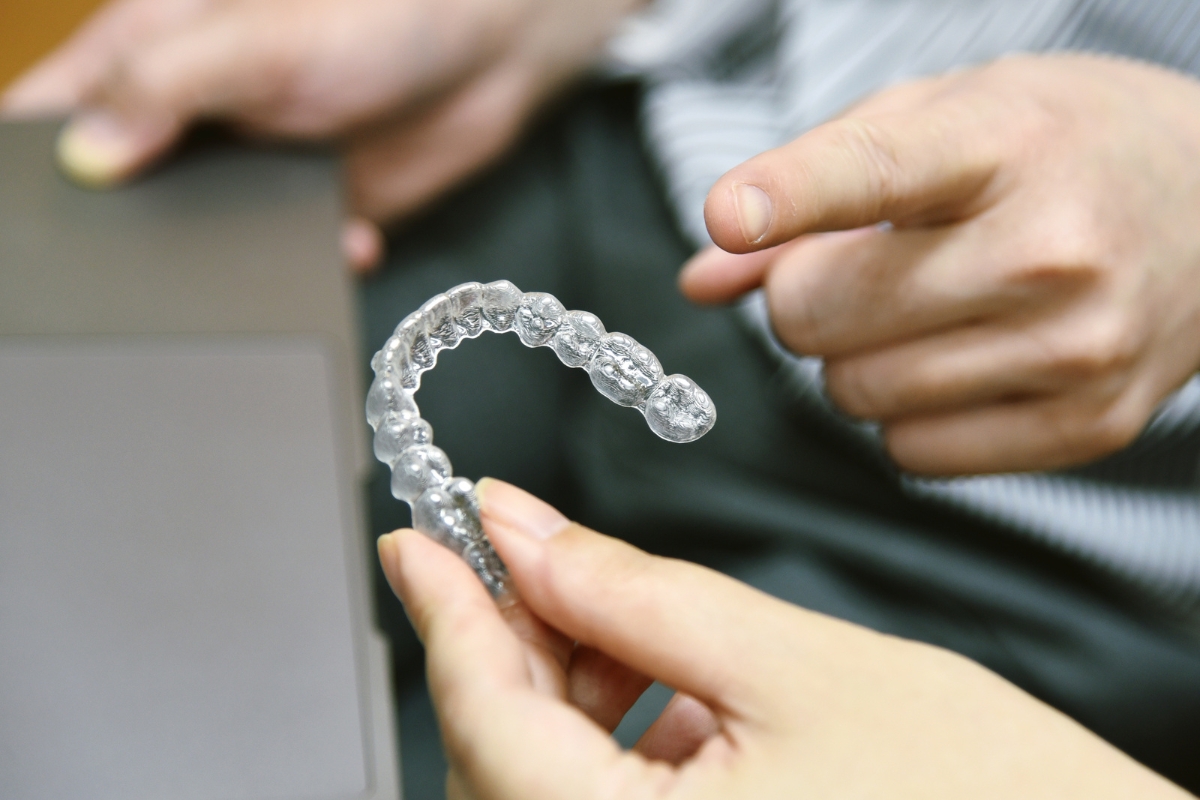
Tooth sensitivity can take the joy out of everyday life. A sip of iced water, a warm cup of coffee, or even breathing in cold air can cause a sharp twinge that makes you pause. It’s completely normal to wonder whether orthodontic treatment might make things worse. Many people in and around Manasquan are interested in straightening their teeth but want reassurance that comfort will be part of the process. Invisalign offers an option that focuses not only on alignment but also on how your teeth feel throughout treatment.
Understanding Tooth Sensitivity Before Treatment
Tooth sensitivity is common among adults in the U.S., and research suggests that roughly one in eight people experience it regularly. It often happens when enamel becomes thin or gums recede, exposing the dentin layer beneath. This allows heat, cold, sweetness, or pressure to more easily stimulate the nerves inside the tooth.
Because of this, people with sensitivity are understandably cautious about orthodontic treatment. The good news is that with thoughtful planning, gentle orthodontics and consistent dental sensitivity care can help many patients stay comfortable throughout treatment.
How Invisalign Works — and Why It May Feel Different
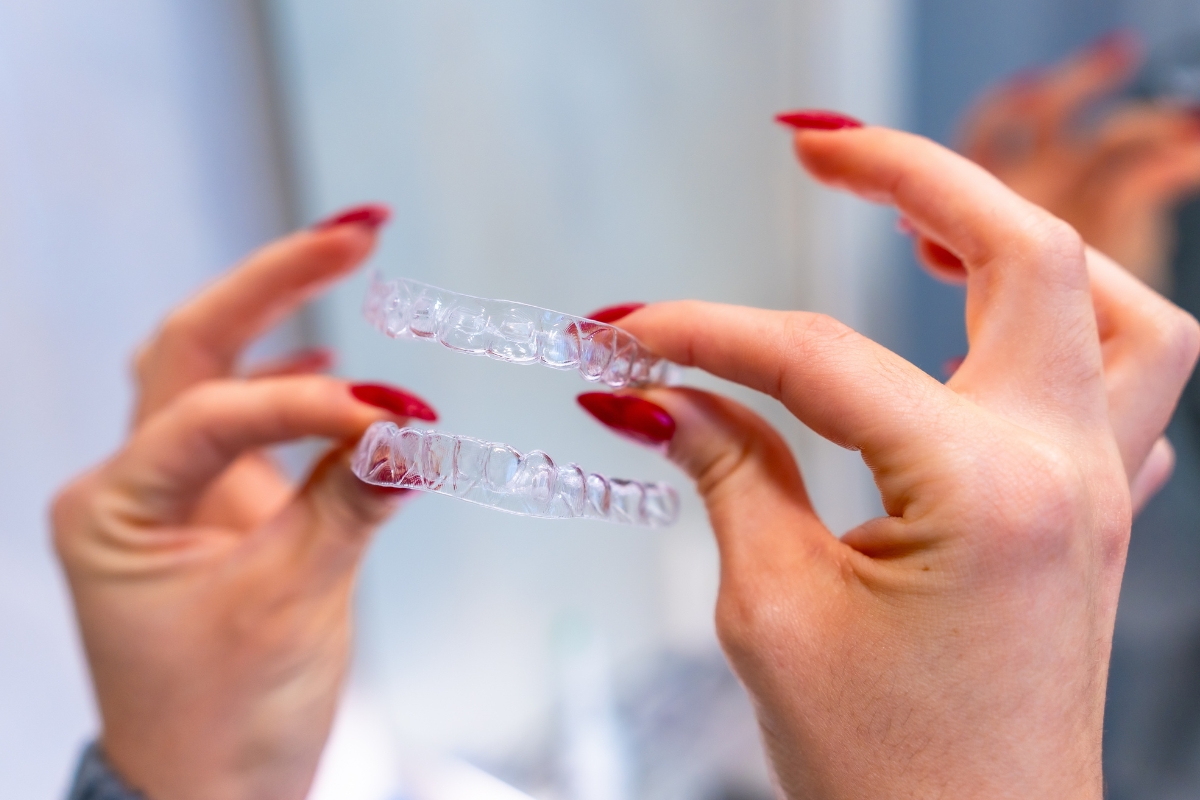
Invisalign in Manasquan uses clear, removable trays that gradually guide teeth into new positions. Each set of aligners applies light, controlled pressure instead of the constant force of brackets and wires. For many people, this approach feels smoother and easier to adapt to.
The aligners are custom-made and smooth, which helps reduce friction against the inside of the lips and cheeks. For anyone considering Invisalign for sensitive teeth, this reduced irritation can make day-to-day wear feel more comfortable than traditional braces.
Enamel safety and pressure response
Another important factor for sensitive teeth is enamel safety. Invisalign treatment is carefully planned digitally, allowing teeth to move in small steps. This gradual movement helps many patients experience less lingering soreness.
An orthodontist can also recommend sensitivity toothpaste, fluoride treatments, and hydration habits to support comfortable progress during treatment.
Is Invisalign Safe for Sensitive Teeth?
Short-term tenderness is normal
When a new aligner tray is inserted, it’s common to feel light pressure for a day or two. This isn’t the same as chronic sensitivity. It reflects tooth movement and usually settles quickly.
Gum comfort advantages
The smooth edges of aligners support comfort aligners–style treatment that is often easier on the gums than brackets and wires. People with mild gum recession frequently find aligners less irritating.
Simple habits that help reduce sensitivity
- Use toothpaste designed for sensitivity
- Limit frequent acidic or very cold drinks
- Keep brushing and flossing consistent
- Rinse after meals before reinserting aligners
Local Perspective: Invisalign Comfort in Manasquan
Life in Manasquan often includes time outdoors, coastal weather, and a strong sense of community. Many residents prefer orthodontic care that fits naturally into work, school, and family activities. Removable aligners make it easier to enjoy meals out, photos at local events, and beach days without visible brackets.
When sensitivity is part of your story, working closely with a Manasquan orthodontist ensures your treatment plan considers enamel condition, gum health, and daily comfort — not just tooth movement.
Data-based insight on sensitivity and Invisalign
Patient feedback and clinical observation show helpful trends:
- People report less cheek and lip irritation with aligners than braces
- Gradual movement tends to reduce long-lasting soreness
- Desensitizing toothpaste significantly improves comfort during treatment
While results vary, these patterns suggest that Invisalign can be a safe option for many patients with sensitive teeth when monitored properly.
When extra evaluation is important
Before starting Invisalign, additional care may be needed if you have:
- sharp, lingering pain in one or more teeth
- untreated decay
- cracks or fractures in enamel
- active gum disease
- severe erosion
Treating these first protects long-term oral health and supports a comfortable orthodontic experience.
FAQs: Invisalign and Sensitive Teeth
Can Invisalign increase tooth sensitivity?
Most people feel brief tenderness when switching trays. It usually fades within a couple of days and does not worsen existing sensitivity when managed well.
Is Invisalign better than metal braces for sensitive gums?
For many patients, yes. The smooth aligner trays generally rub less and are easier on delicate gum tissue.
Can I use sensitivity toothpaste during Invisalign treatment?
Absolutely. Desensitizing toothpaste helps protect nerves and supports enamel safety.
Will I need to avoid cold food and drinks?
You may notice triggers at first, but many patients adjust with time, especially when using sensitivity toothpaste.
Who should I consult about Invisalign and sensitivity?
A qualified orthodontist can review your enamel, gums, and sensitivity history and guide you through a comfortable treatment plan.
Straightening your smile with comfort in mind
For many people with sensitive teeth, Invisalign offers a gentle path to straighter teeth with attention to comfort, enamel health, and flexibility in daily life. With thoughtful planning, supportive dental sensitivity care, and guidance from an orthodontic professional, treatment can feel manageable and reassuring. If you’re thinking about correcting your smile and want to protect your comfort, this may be a good time to talk to a professional and schedule an appointment as your next step.