General & Emergency: 732-528-0600

How To Remove Black Stains From Teeth?

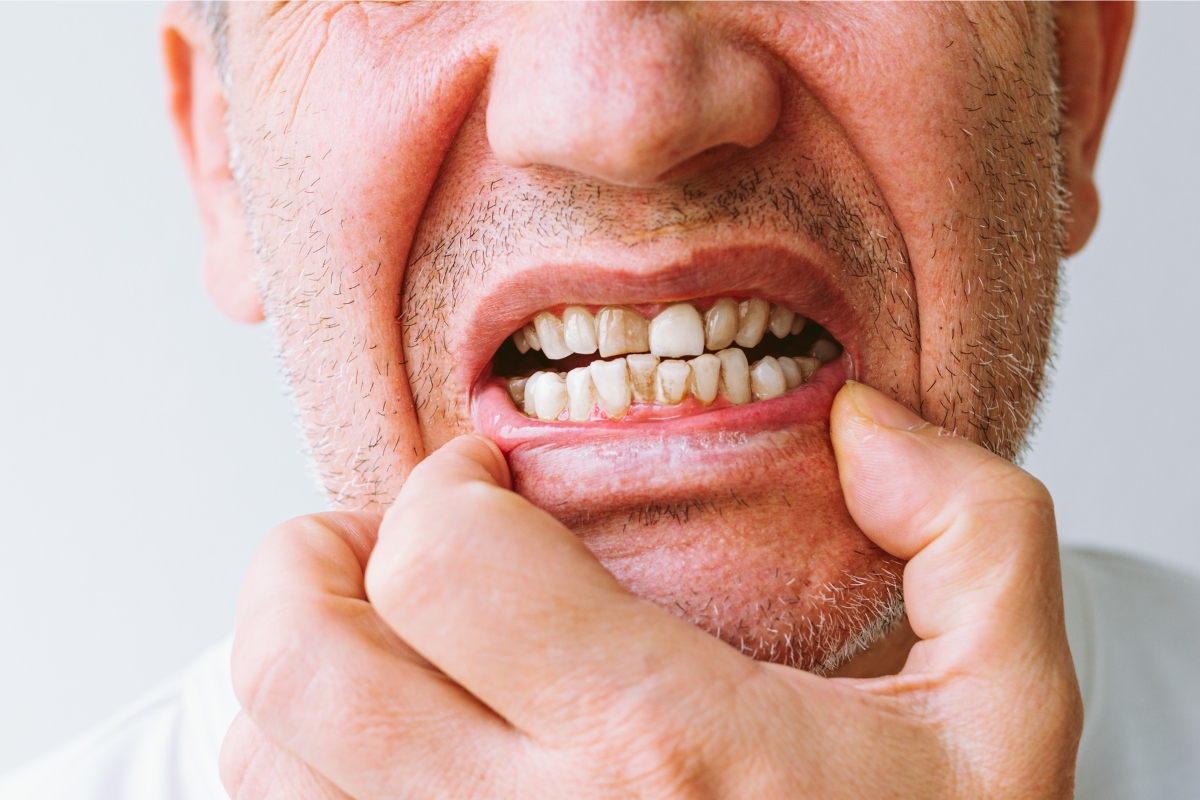
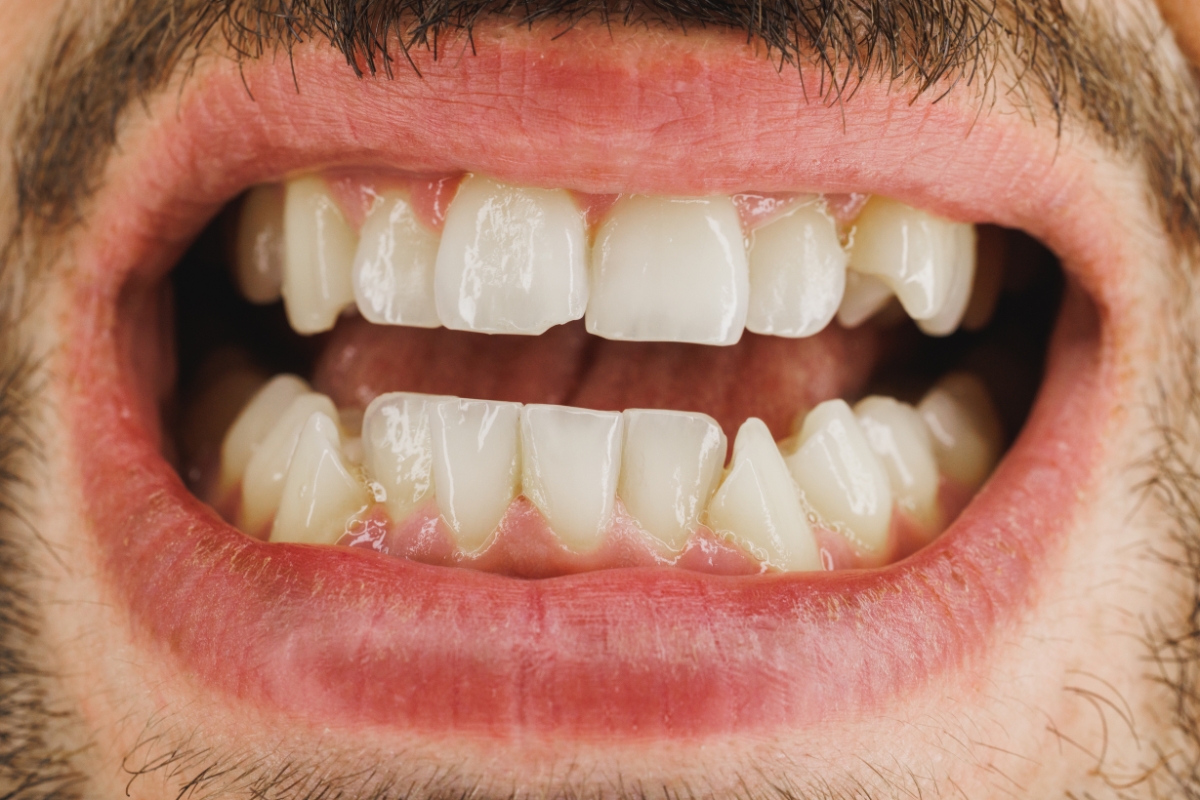
Black stains on teeth can be discouraging, especially when they affect your confidence while smiling or speaking. These dark discolorations don’t appear overnight—they usually develop gradually due to habits, oral health issues, or external factors. The good news is that black stains on teeth are often treatable with the right approach.
In this guide, we’ll explain what causes black stains, how to remove them safely, and when it’s time to seek professional dental care to restore a cleaner, brighter smile.
What Causes Black Stains on Teeth?
Before learning how to remove black stains from teeth, it’s important to understand why they appear in the first place. Common causes include:
- Tobacco use: Smoking or chewing tobacco leaves stubborn dark pigments that cling to tooth enamel.
- Inadequate oral hygiene: Skipping brushing or flossing allows plaque to build up, which can harden and darken over time.
- Stain-causing foods and drinks: Coffee, tea, red wine, soda, and dark sauces can discolor teeth with frequent use.
- Tartar buildup: When plaque isn’t removed, it turns into tartar, which often looks brown or black along the gumline.
- Certain medications: Some antibiotics and iron supplements can cause discoloration, especially if taken during tooth development.
In many cases, people first notice black stains during routine brushing and assume they’ll fade on their own. However, persistent stains often require more targeted care. This is where guidance from a cosmetic dentist Manasquan residents trust can make a noticeable difference, especially when stains affect the appearance of the front teeth.
How to Remove Black Stains From Teeth at Home
Mild surface stains may respond to consistent home care. While these methods won’t replace professional treatment, they can help reduce discoloration when used carefully.
Baking Soda
Baking soda works as a gentle abrasive that can lift surface stains.
- Mix a small amount of baking soda with water to form a paste
- Brush gently for about two minutes
- Rinse thoroughly
Limit this to once or twice a week to protect tooth enamel.
Oil Pulling
Oil pulling is a traditional practice that may help reduce bacteria and plaque.
- Swish one tablespoon of coconut oil for 10–15 minutes
- Spit it out, rinse with water, and brush normally
Results are gradual, but consistent use may help improve overall oral cleanliness.
Activated Charcoal
Activated charcoal can bind to surface stains but must be used cautiously.
- Lightly dip a wet toothbrush into charcoal powder
- Brush gently for about two minutes
- Rinse thoroughly
Because it’s abrasive, use sparingly to avoid enamel wear.
Apple Cider Vinegar
Diluted apple cider vinegar may help reduce stains.
- Mix one teaspoon with a cup of water
- Swish briefly, then rinse with plain water
Avoid frequent use due to its acidic nature.
When Professional Dental Care Is Necessary
If black stains don’t improve or seem to worsen, it’s likely that the discoloration lies beneath the enamel or is caused by tartar buildup. In these cases, professional dental care is the safest and most effective option.
A cosmetic-focused dental evaluation can identify the source of staining and recommend treatments that improve both appearance and oral health.
Professional Treatments for Black Stain Removal
Dentists offer several solutions depending on the severity of the staining:
Professional Dental Cleaning
Routine cleanings remove plaque and tartar that brushing can’t reach, often eliminating dark buildup along the gumline.
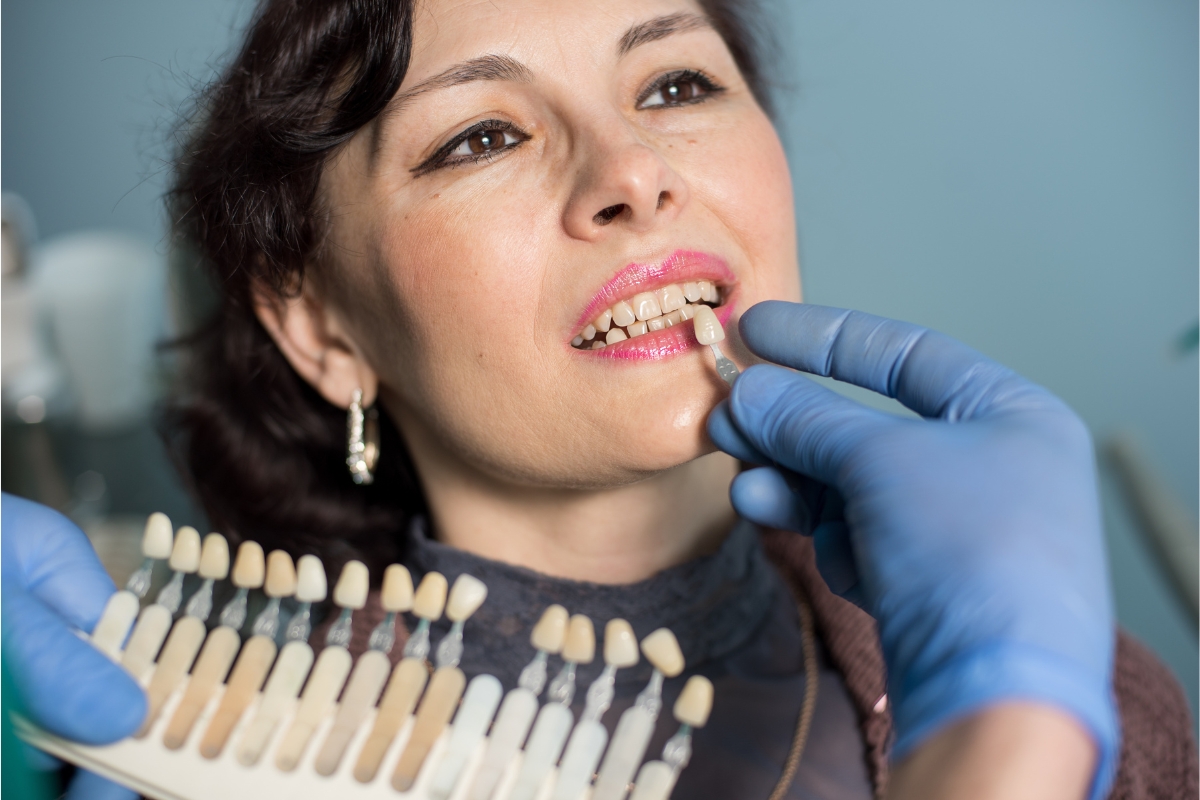
Professional Teeth Whitening
In-office whitening treatments penetrate deeper than over-the-counter products, helping lift stubborn discoloration caused by food, drinks, or tobacco.
Scaling and Polishing
For heavy tartar buildup, scaling removes hardened deposits, while polishing smooths tooth surfaces to reduce future staining.
Cosmetic Solutions
When stains are deeply embedded, treatments such as dental bonding or veneers can mask discoloration and enhance the appearance of teeth.
How to Prevent Black Stains From Returning
Once stains are removed, prevention is key:
- Brush twice daily and floss every day
- Use a whitening or stain-control toothpaste
- Rinse with water after consuming dark beverages
- Avoid tobacco products
- Visit your dentist regularly for cleanings and exams
Consistent habits go a long way in keeping your smile bright and healthy.
Frequently Asked Questions (FAQ)
Are black stains on teeth permanent?
No. Many black stains can be removed with professional cleaning or cosmetic treatments, depending on their cause.
Can brushing harder remove black stains?
Brushing aggressively can damage enamel and gums without removing deep stains. Gentle, consistent brushing is safer and more effective.
Do black stains always mean tooth decay?
Not always. Some stains are caused by tartar, diet, or medications. A dental exam is needed for an accurate diagnosis.
Is teeth whitening safe for black stains?
Yes, when performed or supervised by a dentist. Professional whitening is designed to protect enamel while improving tooth color.
How often should I see a dentist to prevent stains?
Most people benefit from dental visits every six months, though your dentist may recommend a different schedule based on your needs.
Restore Your Smile With Confidence
Black stains on teeth can affect more than just appearance—they can signal underlying oral health concerns. Whether you start with careful home care or move forward with professional cosmetic treatment, addressing stains early helps protect your smile long-term.
If you’re ready to explore safe, effective options for improving tooth color and appearance, schedule an appointment today to take the first step toward a healthier, brighter smile.