General & Emergency: 732-528-0600

Can You Get Cavities While Wearing Invisalign? The Answer May Shock You


By Beautiful Smiles of NJ | September 21, 2026
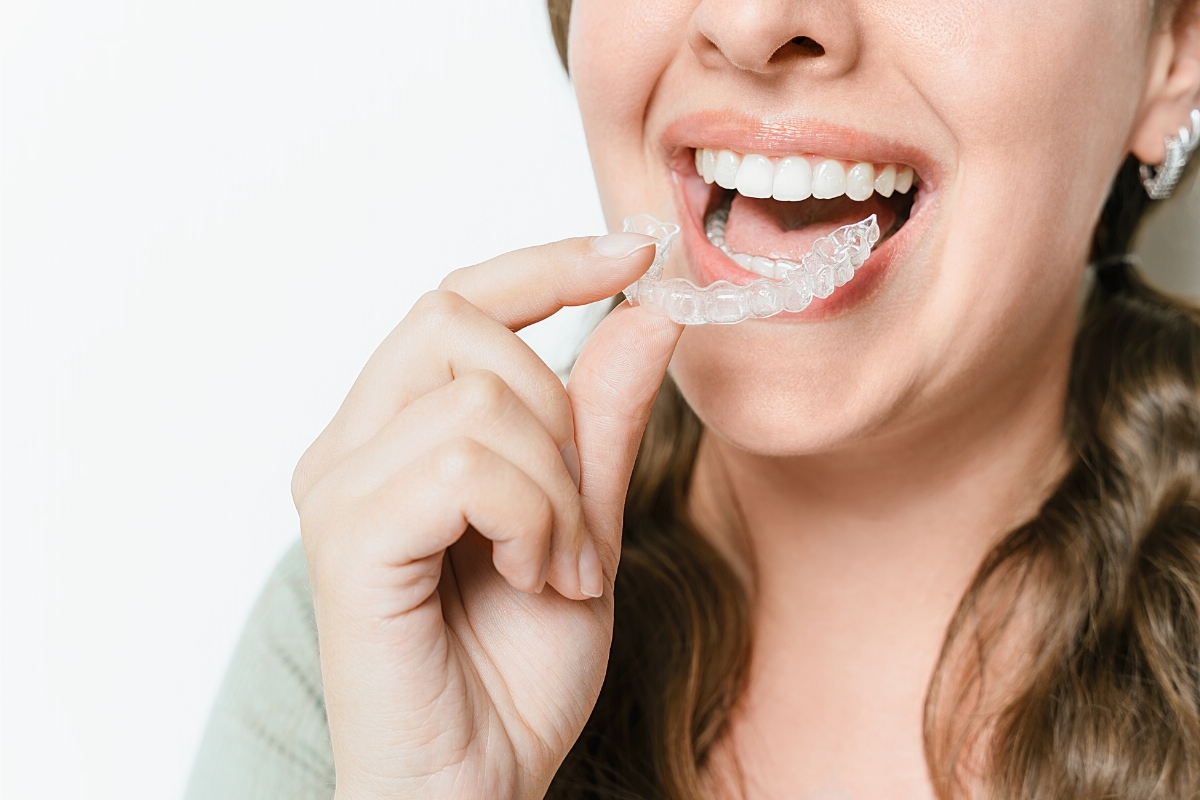
A straighter smile can make a big difference in how you look and feel. With clear aligners, you can gradually improve the alignment of your teeth without dealing with the brackets and wires of traditional braces. Since the trays are removable, eating your favorite foods and maintaining your daily routine can also be more convenient.
However, straightening your teeth doesn’t automatically protect them from cavities. Even with removable aligners, your teeth can develop decay if proper oral hygiene is overlooked. Understanding how cavities can form during orthodontic treatment is an important step toward keeping your smile healthy.
Can You Get Cavities While Wearing Invisalign?
Yes, cavities can develop while you’re wearing clear aligners. Although the trays themselves don’t cause tooth decay, poor cleaning habits can increase the risk of plaque buildup and enamel damage.
When food particles and bacteria remain on your teeth, they form plaque that produces acids capable of weakening tooth enamel. Wearing aligners over teeth that haven’t been properly cleaned may keep food debris, sugars, and acids in contact with the enamel for longer periods.
Sugary beverages, sweetened coffee, soda, and acidic drinks can also contribute to enamel damage when consumed while wearing your trays. For anyone considering Invisalign in Manasquan, maintaining a consistent oral hygiene routine is essential to protecting teeth throughout treatment.
Why Does Oral Hygiene Matter During Invisalign Treatment?
Clear aligners fit closely around your teeth, which helps apply gentle pressure to move them into their intended positions. However, this close fit makes it especially important to clean your teeth before putting the trays back in.
Without proper brushing and flossing, bacteria can multiply around the teeth and along the gumline. Over time, this can lead to cavities, gum inflammation, and other oral health concerns.
The good news is that a few simple daily habits can help you protect your teeth while working toward a straighter smile.
How to Prevent Cavities While Wearing Invisalign
Keeping your teeth healthy during orthodontic treatment doesn’t have to be complicated. A few consistent habits can help lower your risk of cavities and keep your aligners clean.
Brush and Floss Before Reinserting Your Aligners
Brushing twice a day with fluoride toothpaste and flossing once daily help remove plaque, food debris, and bacteria that can contribute to tooth decay.
After eating, brush your teeth before putting your aligners back in whenever possible. If brushing isn’t immediately available, rinse your mouth thoroughly with water and brush as soon as you can.
A clean mouth helps prevent food particles and sugars from becoming trapped beneath your trays.
Pay Attention to What You Eat and Drink
One of the advantages of clear aligners is that you can remove them while enjoying your meals. However, frequent consumption of sugary snacks and beverages can increase your risk of cavities.
Try to limit foods and drinks that contain added sugars, including:
- Candy, cookies, and other sugary treats
- Sweetened coffee, tea, and energy drinks
- Soda and other sugar-rich beverages
- Sticky snacks that leave residue on your teeth
Drink plain water while wearing your aligners. Remove your trays before consuming other beverages, especially those that contain sugar or acids.
If you’re receiving care from a Manasquan dentist during orthodontic treatment, regular dental visits can also help identify early signs of enamel damage and provide guidance on protecting your teeth.
Clean Your Aligners Every Day
Your aligners need regular cleaning just like your teeth. Bacteria and plaque can accumulate on the trays if they aren’t cleaned properly.
Rinse your aligners with lukewarm water whenever you remove them. Clean them gently using a soft toothbrush and a cleaning product recommended for clear aligners.
Avoid using hot water, as it can distort the plastic and affect the fit of your trays. Keeping your aligners clean helps reduce bacterial buildup and keeps them fresh throughout the day.
Keep Up With Routine Dental Checkups
Orthodontic appointments help monitor how your teeth are moving, but they don’t replace regular dental examinations.
Routine checkups allow your dentist to look for early signs of cavities, gum problems, and other concerns that may develop during treatment. Professional cleanings can also remove hardened plaque that brushing and flossing may miss.
If you notice tooth sensitivity, persistent discomfort, or visible spots on your teeth, contact your dentist rather than waiting for your next scheduled visit.
Follow Your Recommended Wear Schedule
Clear aligners are designed to be worn for most of the day, according to your orthodontist’s instructions. However, keeping them in longer than recommended after eating or drinking isn’t a substitute for proper cleaning.
Remove your trays for meals and beverages other than water, clean your teeth, and reinsert them as directed. Following your treatment plan helps maintain progress while supporting good oral hygiene.
What Happens If You Develop a Cavity During Invisalign Treatment?
A cavity doesn’t necessarily mean you have to stop orthodontic treatment permanently. However, the tooth may need dental treatment before you continue wearing your aligners as usual.
Depending on the location and severity of the decay, your dentist may recommend a filling or another restorative procedure. Your aligners may also need to be evaluated to ensure they still fit correctly after treatment.
Addressing cavities early can help prevent more extensive damage and keep your orthodontic treatment on track.
Protect Your Smile While Straightening Your Teeth
Clear aligners can help you achieve a more aligned smile, but healthy teeth require consistent care throughout the process. Brushing, flossing, cleaning your trays, making thoughtful food choices, and attending routine dental visits can all help reduce the risk of cavities.
At Beautiful Smiles of NJ, we understand the importance of maintaining good oral health while working toward your smile goals. If you have questions about cavity prevention or clear aligner treatment, schedule an appointment with our team today!
Frequently Asked Questions
Can Invisalign cause cavities?
Invisalign itself doesn’t directly cause cavities. However, poor oral hygiene, plaque buildup, and leaving sugary or acidic substances trapped beneath the aligners can increase the risk of tooth decay.
Can I drink coffee while wearing Invisalign?
You should remove your aligners before drinking coffee. Hot beverages may warp the trays, while sugary or acidic additions can increase the risk of tooth decay. Plain water is the recommended drink while wearing aligners.
Should I brush my teeth after every meal during Invisalign treatment?
Brushing after meals helps remove food particles and plaque before you reinsert your aligners. If you cannot brush immediately, rinse your mouth with water and brush as soon as possible.
How often should I clean my Invisalign trays?
Clean your aligners daily and rinse them whenever you remove them. Follow your orthodontist’s instructions for using an appropriate cleaning solution to help prevent plaque and bacteria from accumulating.
Can I continue Invisalign treatment if I get a cavity?
In many cases, treatment can continue after the cavity is addressed. Your dentist or orthodontist will determine whether the tooth needs treatment first and whether your aligners still fit properly.
How can I reduce my risk of cavities during Invisalign treatment?
Brush twice daily with fluoride toothpaste, floss once a day, clean your aligners regularly, limit sugary foods and drinks, and attend routine dental checkups. These habits can help protect your teeth throughout treatment.