General & Emergency: 732-528-0600

What to Expect During Your Dental Bonding Appointment?

By Beautiful Smiles of NJ | August 14, 2026
If you’ve been hiding a chipped tooth when you smile or wishing a small gap looked less noticeable, you may have considered dental bonding. But before booking a dental bonding appointment, it’s natural to wonder what actually happens in the dental chair.
Will it hurt? How long will it take? Do you need to prepare beforehand? And what will your tooth look like afterward?
Dental bonding is a relatively simple way to address certain cosmetic imperfections using a tooth-colored resin. For patients considering cosmetic dentistry in Manasquan, NJ, knowing what to expect can make the experience feel much less uncertain.
What Is Dental Bonding?
Dental bonding is a cosmetic treatment that uses a tooth-colored composite resin to change the appearance or shape of a tooth. It may be used for minor chips, small gaps, uneven edges, slight discoloration, or teeth that look somewhat irregular.
One reason people consider tooth bonding is that the dentist can work directly on the tooth and shape the material to suit the surrounding smile. In appropriate cases, this means the treatment can be more conservative than procedures that require significant alteration of the tooth.
Of course, not every cosmetic concern is best treated with bonding. Your dentist will examine your teeth and discuss which option makes sense for your particular situation.
So, What to Expect During Dental Bonding?
While every appointment is different, the process generally involves several straightforward steps.
Your Tooth Is Examined
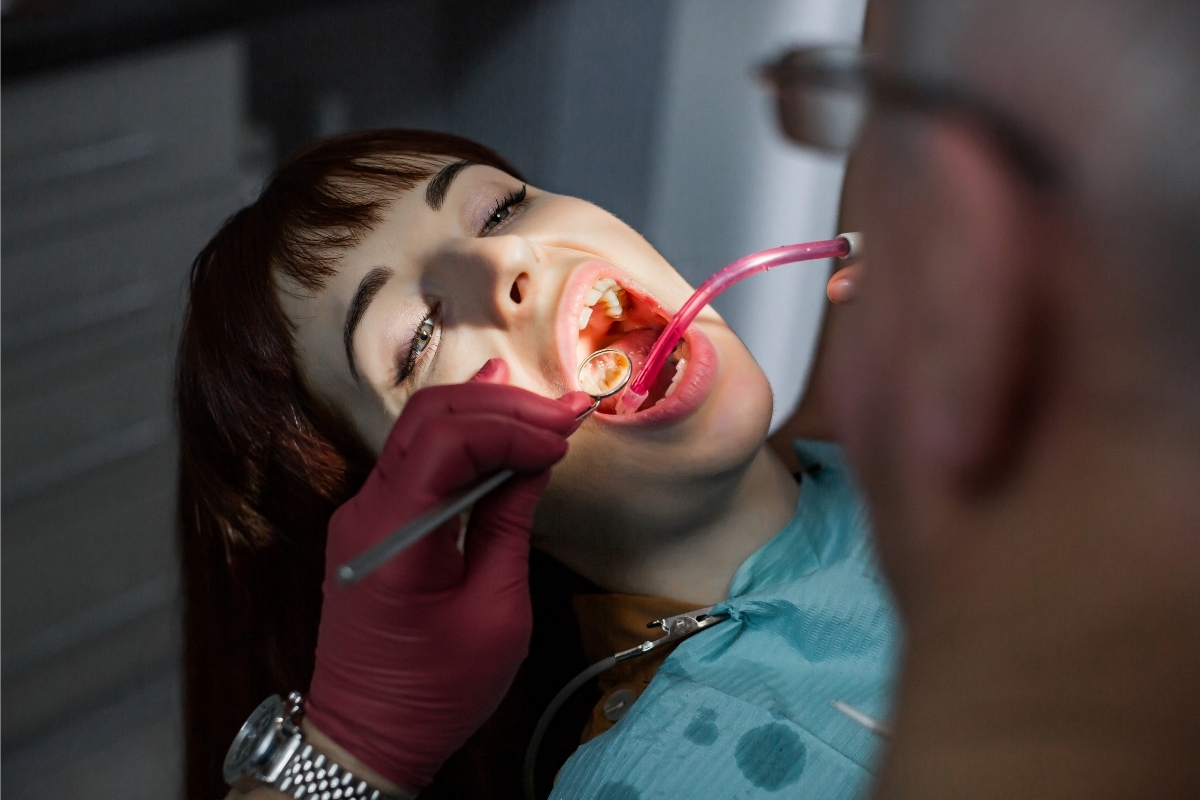
Your appointment begins with an evaluation of the tooth you’d like to improve. Your dentist will look for problems such as decay, cracks, weakened tooth structure, or other concerns that could affect treatment.
This is also your chance to explain what bothers you about your smile. Maybe the edge of one tooth looks uneven, or perhaps a small gap has become more noticeable in photographs.
A good conversation at the beginning helps your dentist understand the result you’re hoping to achieve.The Tooth’s Shade Is Chosen
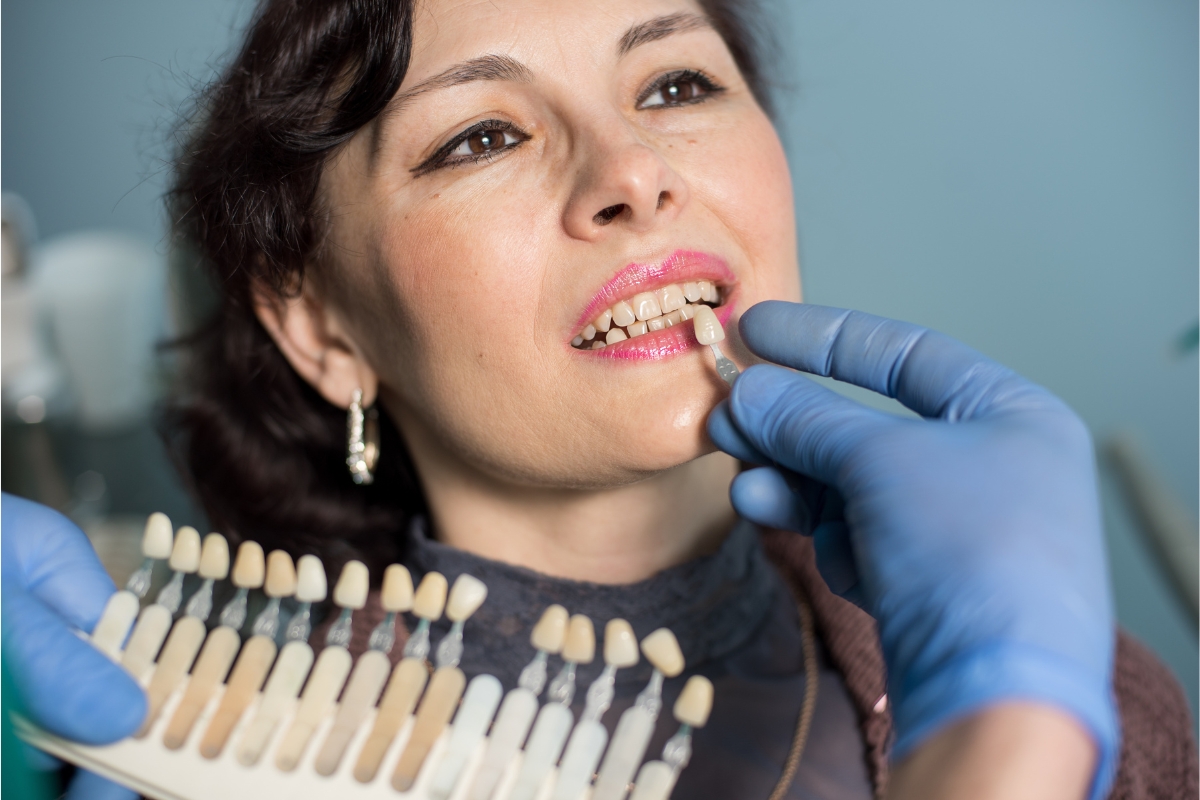
If bonding will be visible, the shade of the resin needs to complement your natural teeth.
Your dentist will consider the color of the surrounding teeth when selecting the bonding material. The objective is not simply to make one tooth look brighter, but to create a result that fits naturally with your smile.
The Tooth Is Prepared
Dental bonding preparation is generally straightforward. The tooth is cleaned, and its surface is conditioned to help the resin adhere.
The exact technique can vary depending on the tooth and the materials being used. Your dentist will determine what preparation is appropriate for your treatment.
For many minor cosmetic cases, extensive tooth preparation isn’t necessary.
The Resin Is Applied and Shaped
The tooth-colored resin is placed on the tooth while it is still workable. Your dentist then shapes it to address the specific concern.
This is an important part of the dental bonding procedure. A chipped edge, for example, may require careful sculpting so that the restored tooth doesn’t look noticeably different from the teeth next to it.
The resin may be applied in layers, depending on how much correction is needed.
The Material Is Hardened
A special curing light is used to harden the resin. Once the material has set, your dentist can continue refining its shape.
Composite dental materials are commonly hardened through a light-activated process.
The Tooth Is Polished
The final stage is about the details.
Your dentist smooths and polishes the bonded tooth and checks how it looks alongside your other teeth. You may also be asked to bite down so the dentist can make sure the restoration doesn’t interfere with your bite.
That final adjustment can make a noticeable difference in how natural the tooth feels.
Does Dental Bonding Hurt?
Many patients are concerned about discomfort before a cosmetic treatment. For minor bonding procedures, treatment may be quite comfortable, and anesthesia may not always be necessary.
However, everyone’s situation is different. If your tooth is sensitive or the treatment involves an area that may require anesthesia, your dentist can discuss appropriate options with you.
If you’re nervous about dental treatment, say so before the procedure begins. Talking openly about anxiety can help your dental team adjust the experience to your needs.
What Should You Do Before Your Appointment?
There is usually no complicated preparation involved before a routine bonding visit. Still, a few simple steps can help you arrive prepared:
- Brush and floss normally.
- Tell your dentist about tooth sensitivity.
- Explain what you would like to change.
- Mention any previous treatment on the tooth.
- Ask about the expected appearance and maintenance of the bonding.
If you’re visiting a dental office in the Manasquan area, you can also ask your dental team whether there are any appointment-specific instructions you should follow.
Dental Bonding Aftercare
Once your treatment is complete, taking care of the bonded tooth becomes part of your normal oral-care routine.
Caring for bonded teeth includes brushing twice daily with fluoride toothpaste, flossing regularly, and keeping up with dental examinations and cleanings.
It is also sensible to avoid habits that can put unnecessary stress on the material, such as biting your nails, chewing ice, opening packages with your teeth, or biting very hard objects.
The resin can also become stained over time. Your dentist can explain which habits may affect the appearance of your particular restoration.
How Long Does Dental Bonding Last?
There isn’t one fixed lifespan for every bonded tooth. Durability can depend on the tooth’s location, your bite, how much bonding was placed, and your everyday habits.
For example, a bonded front tooth may experience considerable pressure if you regularly bite hard foods with your front teeth.
If the bonding eventually becomes chipped, worn, or discolored, your dentist can examine it and determine whether repair, polishing, or replacement is appropriate.
What Are the Benefits of Dental Bonding?
For the right patient, dental bonding benefits can include:
- Addressing minor cosmetic imperfections
- Creating a tooth-colored appearance
- Making small changes to tooth shape
- Improving the appearance of minor chips or gaps
- Often requiring relatively little tooth preparation
- Providing a conservative cosmetic option for certain concerns
The best treatment isn’t necessarily the most extensive one. Your dentist can compare bonding with other options based on your teeth, goals, and expectations.
Why Consider a Cosmetic Dentist in Manasquan?
For people living in or around Manasquan, having cosmetic dental care nearby can make it easier to discuss small smile concerns without traveling far from home.
A cosmetic dentist Manasquan patients can visit for an evaluation can look at the specific tooth, explain the available choices, and help determine whether bonding is appropriate.
A Simple First Step Toward a More Confident Smile
A small imperfection can sometimes have an outsized effect on how you feel about your smile. If you’ve been thinking about fixing a chipped edge, uneven tooth, or small gap, dental bonding may be worth discussing.
The best way to know whether it’s suitable is to have your tooth evaluated and talk through your goals with a dental professional. With the right treatment plan and good dental bonding aftercare, you can make an informed decision about your smile.
Schedule an Appointment with Beautiful Smiles of NJ to discuss whether dental bonding is right for you.
Frequently Asked Questions
How long does a dental bonding appointment take?
Treatment time varies according to the number of teeth being treated and the amount of reshaping required. Your dentist can give you a better estimate after examining your smile.
Can dental bonding fix a chipped tooth?
Bonding can be used for certain minor chips. The appropriate treatment depends on the size, location, and condition of the damaged tooth.
Can I eat normally after dental bonding?
Your dentist will provide specific instructions after treatment. Once you’ve been cleared to eat normally, avoiding unusually hard foods can help protect the bonded area.
Does bonded material look like a natural tooth?
Tooth-colored resin can be selected and shaped to complement the surrounding teeth. Your dentist will consider the appearance of neighboring teeth when planning the restoration.
Is dental bonding permanent?
No. Bonding can eventually require maintenance, repair, or replacement. How long it lasts varies between patients.
Is dental bonding the same as veneers?
No. Bonding involves applying composite resin directly to the tooth, while veneers are separate restorations placed over the front surface of a tooth. Your dentist can explain which option better fits your needs.