General & Emergency: 732-528-0600

Are Porcelain Veneers Permanent? Find Out from Our Cosmetic Dentist

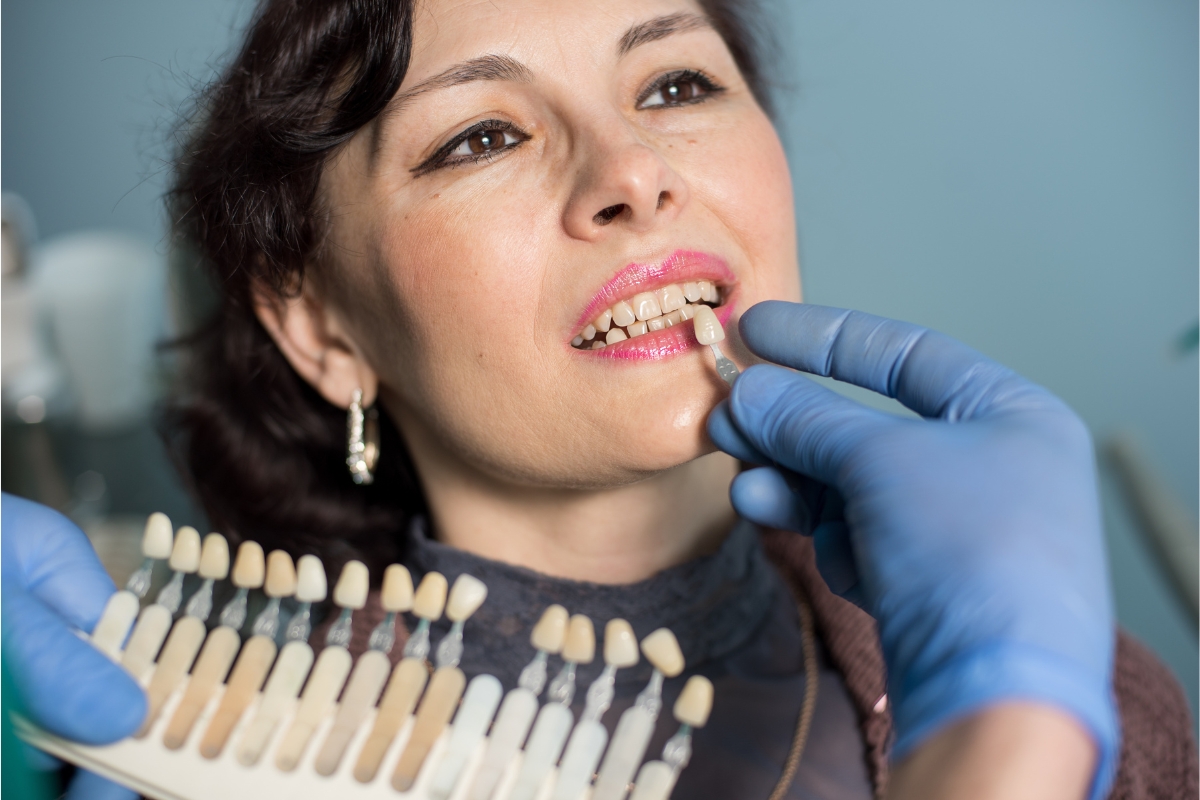
When you look in the mirror, small imperfections in your teeth can sometimes stand out more than you would like. Maybe your teeth have stubborn stains, worn edges, tiny chips, or spaces that make you hesitant to smile. Porcelain veneers can address several of these concerns and give your smile a more even, polished appearance.
Still, choosing veneers is a decision that deserves careful thought. One of the first things people often want to know is whether the results will last forever. Are porcelain veneers permanent? The simple answer is no. However, they can last for many years when they are properly placed and cared for.
Understanding Porcelain Veneers
Think of a veneer as a thin covering designed specifically for the visible part of a tooth. Porcelain is commonly used because it has a smooth, natural-looking appearance and can closely resemble the way healthy tooth enamel reflects light.
Rather than changing the entire tooth, a veneer focuses primarily on its front surface. Depending on your smile goals, veneers can improve the appearance of discoloration, minor chips, uneven edges, small gaps, and certain shape concerns. Your dentist will determine whether veneers are appropriate after evaluating your teeth and overall oral health.
So, Are Veneers Really Permanent?
Although porcelain itself is a durable material, veneers are not lifetime restorations. They are intended to remain in place for an extended period, but they can eventually require replacement.
There is another reason people sometimes describe veneers as permanent. Traditional veneer treatment may involve removing a small amount of enamel from the front of the tooth. Once that enamel has been removed, it does not naturally grow back. As a result, the tooth may continue to need a restoration even after an older veneer reaches the end of its useful life.
If you are considering this treatment, talking with a cosmetic dentist Manasquan patients can visit at Beautiful Smiles of NJ can help you understand the process, expected results, and long-term considerations before making a decision.
How Many Years Can Veneers Last?
There is no single number that applies to every patient. Many porcelain veneers can last approximately 10 to 15 years, and some may remain in good condition for longer. Their longevity depends heavily on how you treat your teeth and how well you maintain your oral health.
For example, someone who regularly clenches their teeth may put considerably more pressure on veneers than someone without that habit. Likewise, using your teeth to open packages or chewing on hard objects can increase the chance of damage.
Your dentist can also monitor your veneers during routine visits and identify changes that may affect their performance.
Everyday Habits Can Make a Difference
You do not need an elaborate routine to care for porcelain veneers. In many ways, maintaining them is simply about taking good care of your entire mouth.
Keep your teeth clean. Brush twice daily and clean between your teeth every day. Healthy gums and natural teeth provide important support for your cosmetic restorations.
Watch what you bite. Ice, hard candy, pens, fingernails, and similar objects can put unnecessary stress on your teeth. Avoid using your teeth as tools.
Pay attention to grinding. If you clench or grind while sleeping, ask your dentist whether a nightguard could help protect your veneers.
Do not skip dental visits. Regular examinations allow your dentist to check your veneers along with your teeth and gums. Small problems are often easier to manage when they are found early.
What Can Cause a Veneer to Need Replacement?
Veneers can eventually show signs of normal wear. A restoration might also become damaged after an accident or excessive biting force. In other situations, the tooth underneath may develop a problem that needs attention.
Your smile can change over the years, too. Natural teeth may gradually change shade, and your bite or surrounding teeth may change with age. As a result, an older veneer may no longer blend as well with the rest of your smile.
Replacement does not necessarily mean something went wrong with the original treatment. Like many dental restorations, veneers have a useful lifespan and may eventually need to be renewed.
What Happens When an Old Veneer Is Replaced?
Your dentist will first examine the veneer and the tooth supporting it. If replacement is recommended, the existing restoration is carefully removed.
The tooth is then evaluated to make sure it is healthy enough to receive the new veneer. Your dentist may take digital scans or impressions so the replacement can be designed to fit comfortably and coordinate with your surrounding teeth.
After the new veneer is prepared, it is bonded to the tooth. Your dentist will check its appearance, fit, and bite before completing the treatment.
Who May Benefit From Porcelain Veneers?
Veneers may be worth considering if you are unhappy with the appearance of otherwise healthy teeth and want to address several cosmetic concerns. They can be particularly useful when whitening alone cannot provide the change you are looking for.
However, veneers are not automatically the best choice for every smile. Cavities, gum disease, significant tooth damage, or certain bite and grinding problems may need to be addressed first. A dental evaluation can help determine whether veneers or another treatment would better suit your needs.
Is It Time to Explore Your Options?
Porcelain veneers can be a long-term way to improve the appearance of your smile, but understanding their limitations is just as important as knowing their benefits. With sensible habits and consistent dental care, you may be able to enjoy your results for many years.
At Beautiful Smiles of NJ, the goal is to help you make a decision based on your individual smile and dental needs rather than a one-size-fits-all approach.
Schedule an appointment today to discuss whether porcelain veneers are right for your smile.
Frequently Asked Questions About Porcelain Veneers
Are porcelain veneers permanent?
No. Porcelain veneers are designed to be long-lasting, but they are not expected to last forever. Many last around 10 to 15 years with appropriate care.
Can veneers last longer than 15 years?
Yes. Some veneers may continue to look and function well beyond 15 years. Their lifespan varies based on oral hygiene, bite forces, habits, dental health, and routine care.
Can I remove veneers and go back to my original teeth?
Traditional veneers usually involve some enamel preparation. Because natural enamel does not grow back, removing a veneer generally does not mean returning to exactly the same condition as before treatment.
Will veneers look natural?
When they are properly designed and matched to your smile, porcelain veneers can closely resemble natural enamel. Factors such as shade, shape, proportion, and placement all contribute to the final appearance.
Can veneers become damaged?
Yes. Although porcelain is strong, it can chip or crack under excessive force. Avoid habits that place unnecessary pressure on your teeth and discuss teeth grinding with your dentist.
Do veneers require special maintenance?
They do not require a complicated maintenance routine. Regular brushing, daily cleaning between the teeth, professional cleanings, and dental checkups are important for maintaining your smile.
Are veneers suitable for everyone?
No. Your dentist will consider your oral health, tooth structure, bite, habits, and cosmetic expectations before recommending veneers.