General & Emergency: 732-528-0600

What to Do If Your Dental Crown is Broken?

You are enjoying a meal when suddenly something feels different. Maybe you bite down on a hard piece of food and hear a crack. Maybe a crown that has been in place for years suddenly feels loose. Whatever the situation, a broken dental crown can be frustrating and a little alarming.
The good news is that it is usually not a reason to panic. While crowns are designed to be durable, they are not meant to last forever. Daily chewing, teeth grinding, accidents, and normal wear can eventually take a toll. What matters most is how you respond after the damage occurs.
Take a Moment to See What Happened
Before doing anything else, try to look at the area carefully. Is the crown chipped? Has it cracked down the middle? Did it come off completely?
If the crown has fallen out, don’t throw it away. Rinse it gently with water and place it somewhere safe. Your dentist may want to examine it during your visit.
You may also notice that the tooth underneath feels more sensitive than usual. This happens because the crown is no longer fully protecting the tooth. If you have dental crowns Manasquan, avoiding pressure on the affected tooth can help prevent additional damage until you receive professional care.
Don’t Ignore Discomfort
Some broken crowns cause immediate pain, while others create little more than an odd sensation when you bite down. Even if the problem doesn’t hurt, it should still be evaluated.
A damaged crown can leave parts of the tooth exposed to bacteria, temperature changes, and everyday wear. The sooner the issue is addressed, the better the chances of avoiding more extensive treatment later.
Call Your Dentist Sooner Rather Than Later
One of the biggest mistakes people make is waiting to see if the problem improves on its own. Unfortunately, a broken crown will not repair itself.
When you call your dental office, explain exactly what happened and let them know if you’re experiencing pain, swelling, or sensitivity. This information helps determine how quickly you should be seen.
Be Careful With What You Eat
Until your appointment, think of the damaged tooth as temporarily vulnerable.
Try to stick with foods that are soft and easy to chew. Soups, yogurt, scrambled eggs, oatmeal, smoothies, and mashed potatoes are often good choices.
At the same time, avoid foods that could make the situation worse. Crunching on ice, chewing hard candy, or eating sticky snacks may cause additional damage to the crown or the tooth underneath.
Protect the Area If Necessary
Sometimes a broken crown leaves behind rough edges that rub against your tongue or cheek. If that happens, dental wax from a local pharmacy can help create a protective barrier.
If the crown has come off completely and the tooth feels extremely sensitive, temporary dental cement may provide short-term protection. However, this should only be viewed as a temporary measure until you can visit a dental professional.
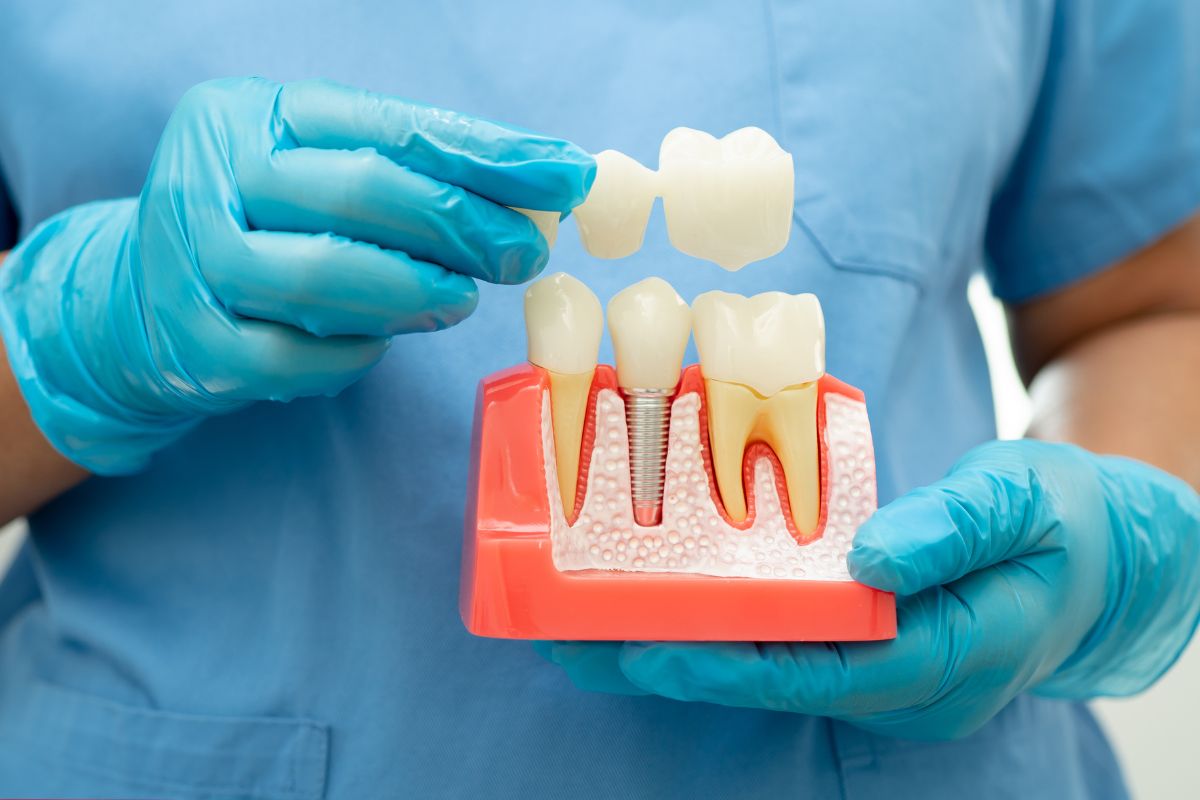
A trusted Manasquan dentist can determine whether the crown can be repaired, reattached, or replaced altogether.
What Will the Dentist Do?
Every situation is different, which is why an examination is important.
In some cases, the damage is minor and can be corrected without replacing the entire crown. Small chips may be smoothed or repaired with tooth-colored materials.
Other situations require a completely new crown. If the existing restoration is badly damaged or no longer fits correctly, your dentist may recommend replacing it to ensure the tooth remains protected.
The good news is that modern dental crowns are designed to look natural and function comfortably, so most patients return to normal activities quickly after treatment.
Can You Prevent Crowns From Breaking?
While there is no way to guarantee a crown will never break, certain habits can help extend its lifespan.
Brushing and flossing regularly keeps the tooth underneath healthy and reduces the risk of complications. Avoiding hard objects such as ice, pens, and hard candies can also prevent unnecessary stress on your restoration.
If you grind your teeth at night, wearing a custom night guard may be one of the best investments you can make for protecting both your crowns and your natural teeth.
Regular dental checkups are equally important because they allow your dentist to identify small issues before they become bigger problems.
When Is It an Emergency?
A broken crown is not always a dental emergency, but some symptoms should never be ignored.
Contact your dentist immediately if you experience:
- Severe pain
- Noticeable swelling
- Bleeding around the tooth
- Difficulty chewing
- A large portion of the tooth breaking along with the crown
These signs may indicate damage beyond the crown itself and require prompt attention.
The Bottom Line
A broken dental crown can be inconvenient, but it is a problem that can usually be fixed successfully with timely treatment. The key is to protect the affected tooth, avoid making the damage worse, and contact your dentist as soon as possible.
At Beautiful Smiles of NJ, we help patients throughout Manasquan, NJ restore damaged crowns and protect their oral health with personalized treatment solutions. If your crown has cracked, loosened, or fallen off, don’t wait for the problem to worsen—contact our office today to schedule an appointment.
Frequently Asked Questions
What causes a dental crown to break?
Crowns can break for many reasons, including biting hard foods, teeth grinding, sports injuries, accidents, or simply years of daily use.
Can I still brush my teeth if my crown is broken?
Yes. Continue brushing and flossing carefully to keep the area clean, but avoid putting excessive pressure on the damaged tooth.
Is it normal for a broken crown to feel sensitive?
Yes. When a crown is damaged or comes off, the tooth underneath may become sensitive to hot foods, cold drinks, sweets, or pressure.
Can a crown be repaired instead of replaced?
Sometimes. Small chips and minor damage can often be repaired. More significant damage may require a replacement crown.
How soon should I see a dentist after my crown breaks?
Ideally, you should contact your dentist within a day or two. The sooner the issue is evaluated, the lower the risk of further damage to the tooth.
What happens if I wait too long?
Delaying treatment can increase the chances of tooth decay, infection, sensitivity, and additional structural damage, which may require more extensive treatment later.