General & Emergency: 732-528-0600

Braces Hurting? Try These Quick Pain-Relief Tips

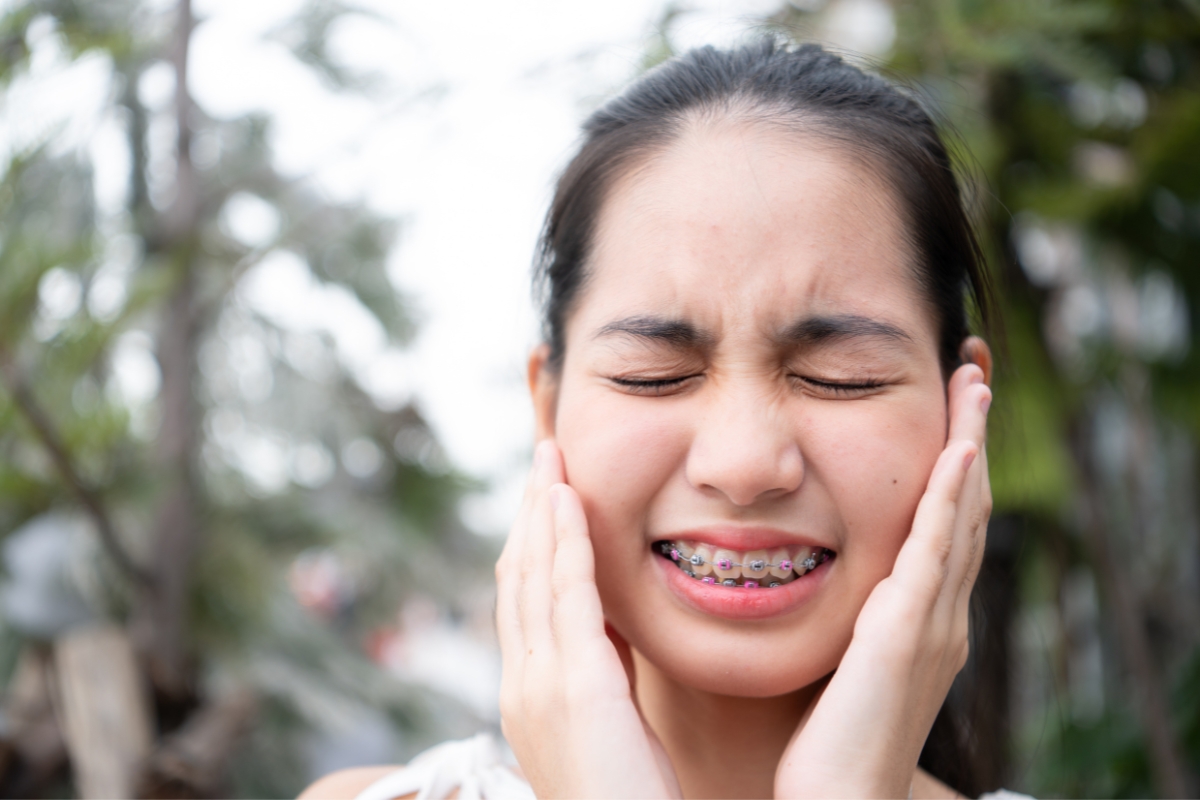
Getting braces is a big step toward having a straighter, healthier smile. But if your teeth feel sore after getting braces or coming home from an adjustment, you might start wondering, “Is this supposed to hurt this much?”
Some discomfort is completely normal. Braces need to put gentle pressure on your teeth to gradually move them, and your mouth needs a little time to adjust. You may notice tenderness when chewing, a dull ache in your teeth, or irritation where a bracket or wire touches your cheeks.
The good news is that braces discomfort usually doesn’t last very long. Most people find that the soreness becomes easier to manage after a few days. If you’re working with an orthodontist in Manasquan, your orthodontic team can also help you determine whether what you’re experiencing is normal or needs attention.
Whether you’ve just had your braces placed or you’re dealing with soreness after an adjustment, a few simple tricks can make those uncomfortable days much easier. Here’s what you can try at home.
Why Do Braces Hurt?
Braces move teeth by applying steady, controlled pressure. As your teeth begin shifting, the tissues surrounding them also adapt to the changes. That’s what can create the familiar feeling of tenderness or pressure.
You may notice soreness after:
- Having braces put on for the first time
- Getting your wires adjusted or replaced
- Moving to a different stage of orthodontic treatment
- Having a bracket or wire rub against your cheek
- Eating foods that are hard or difficult to chew
Not everyone experiences braces pain in exactly the same way. Some people barely notice it, while others may have sore teeth for a few days after an appointment. The good news is that your mouth generally becomes more accustomed to the pressure as treatment continues.
9 Simple Ways to Feel Better When Your Braces Hurt
Rinse With Warm Salt Water
A warm saltwater rinse is one of the easiest things you can try when your mouth feels irritated. It can be especially comforting if your gums or the inside of your cheeks feel tender.
Mix a small amount of salt into warm water, swish it gently around your mouth for about 30 seconds, and spit it out. There’s no need to make the mixture extremely salty.
Reach for Something Cold
Cold can temporarily dull the sensation of soreness and may feel especially soothing after an orthodontic appointment.
Try holding a cold compress against the outside of your cheek for a short period. You can also enjoy cool, soft foods such as yogurt, applesauce, pudding, or a smoothie.
One important reminder: don’t chew on ice. Although it may feel good on sore teeth, biting hard ice can damage brackets and wires.
Stick With Soft Foods
When your teeth are tender, there’s no reason to challenge them with a steak or a handful of crunchy snacks.
For the first few days after an adjustment, choose foods that don’t require much chewing. Some easy choices include:
- Scrambled eggs
- Mashed potatoes
- Oatmeal
- Yogurt
- Pasta
- Rice
- Soup
- Applesauce
- Smoothies
- Soft-cooked vegetables
As your teeth become more comfortable, you can return to a wider variety of foods while continuing to avoid anything your orthodontist has advised you not to eat.
Use Orthodontic Wax for Irritating Brackets
Sometimes the problem isn’t tooth soreness. Instead, a bracket or wire may be rubbing against the inside of your cheek or lip.
That’s where orthodontic wax can help. Place a small amount over the irritating area to create a smoother surface between the appliance and your mouth.
If a wire keeps poking you or feels unusually sharp, don’t try to make major changes to your braces yourself. Let your orthodontic office know so the problem can be addressed properly.
Try a Cold Compress for Jaw Soreness
Your teeth aren’t the only area that may feel uncomfortable during orthodontic treatment. Your jaw can sometimes feel tired or achy, particularly after an adjustment.
A cold compress placed against the outside of your jaw may provide temporary relief. Use it for short periods and give your skin a break between applications.
Take a Break From Crunchy Foods
Even foods that are normally healthy can be difficult to eat when your teeth are sore. Raw carrots, nuts, hard candies, popcorn, and other crunchy foods can put extra pressure on sensitive teeth and may damage orthodontic appliances.
When you’re experiencing soreness, choose softer alternatives. Once your mouth feels better, continue following the food guidelines provided by your orthodontic team.
Keep Your Teeth and Braces Clean
When your mouth hurts, skipping your normal brushing routine can seem tempting. It’s actually more important to stay on top of your oral hygiene while wearing braces.
Food particles and plaque can collect around brackets and wires. If they’re left behind, they can contribute to gum irritation, bad breath, tooth decay, and other dental problems.
Use a soft-bristled toothbrush and take your time cleaning around each bracket and along the gumline. Flossing or using orthodontic-friendly cleaning tools can also help remove debris from places your toothbrush can’t easily reach.
Ask About Over-the-Counter Pain Relief
If your mouth is particularly sore, an over-the-counter pain reliever may help make the discomfort easier to manage. Acetaminophen and other common pain medications may be appropriate for some people when taken according to the label instructions.
If you’re unsure whether a particular medication is right for you, ask your healthcare provider, dentist, or orthodontist before taking it.
Give Your Mouth Time to Adjust
Sometimes the best remedy is simply giving your teeth a little time.
Braces are designed to move your teeth gradually, so mild soreness can come and go throughout treatment. Discomfort is often more noticeable shortly after braces are placed or adjusted and then fades as your mouth adapts.
Try not to worry if your teeth feel tender for a few days. In most cases, that temporary soreness is simply part of the adjustment process.
When Should You Contact Your Orthodontist?
Some discomfort is expected with braces, but severe or persistent pain deserves attention.
Call your orthodontic office if:
- Your pain is severe or continues to get worse
- A wire is repeatedly poking your cheek or gums
- A bracket has become loose or broken
- Your braces feel damaged
- You notice significant swelling
- Your discomfort doesn’t improve after several days
- Something about your braces feels unusual or different
A small orthodontic problem can sometimes cause a surprising amount of discomfort. Getting it checked sooner can prevent the issue from becoming more bothersome.
A Little Soreness Doesn’t Mean Something Is Wrong
Braces can take some getting used to. Your teeth are changing, your mouth is adapting, and occasional soreness can be part of the process. Fortunately, you don’t have to simply put up with the discomfort.
Choosing softer foods, using a cold compress, rinsing with warm salt water, protecting irritated areas with orthodontic wax, and maintaining good oral hygiene can all help you get through the uncomfortable periods more easily.
Most importantly, keep your orthodontic appointments and speak up when something doesn’t feel right. Your orthodontic team can answer questions, make necessary adjustments, and help keep your treatment on track.
If you’re considering orthodontic treatment or already have braces and need guidance with discomfort, Beautiful Smiles of NJ is here to help you feel more comfortable throughout your smile journey.
Schedule an appointment today and take the next step toward a healthier, straighter smile.
Frequently Asked Questions About Braces Pain
How long do braces hurt after an adjustment?
Most people notice the most soreness during the first couple of days after an adjustment. The discomfort typically becomes less noticeable as the mouth adjusts to the new pressure.
Is it normal for my teeth to hurt when I chew with braces?
Yes. Teeth can feel tender when you bite or chew, particularly shortly after getting braces or having them adjusted. Soft foods can make eating more comfortable until the soreness settles down.
What is the best food to eat when braces hurt?
Soft foods that require little chewing are usually easiest. Yogurt, eggs, oatmeal, mashed potatoes, pasta, smoothies, and soft-cooked vegetables are good options.
Can I put ice directly on my braces?
It’s better to use a cold compress on the outside of your cheek rather than biting or chewing ice. Hard ice can damage brackets and orthodontic wires.
What should I do if a brace is rubbing my cheek?
Orthodontic wax can help cover a bracket or wire that’s causing irritation. If the problem continues, contact your orthodontist so they can determine whether the appliance needs an adjustment.
Should I continue brushing if my teeth are sore?
Absolutely. Keeping your teeth and braces clean is an important part of orthodontic treatment. Brush gently with a soft-bristled toothbrush and clean carefully around your brackets.
Can braces cause gum soreness?
They can. Your gums may feel irritated while you’re adjusting to braces, especially if plaque or food collects around the brackets. Good brushing and flossing can help keep your gums healthy.
When should I worry about braces pain?
Severe pain, increasing discomfort, significant swelling, or pain that doesn’t improve should be checked by your orthodontist. A loose bracket or irritating wire may also need professional attention.
Does braces pain get easier over time?
For many people, yes. The first few adjustments can feel unfamiliar, but your mouth generally becomes more accustomed to orthodontic pressure as treatment progresses.
Do I have to take pain medication for braces?
Not necessarily. Many people manage mild soreness with soft foods, cold compresses, and other simple measures. If you need medication, follow the product directions and ask a healthcare professional if you’re unsure what is appropriate for you.