General & Emergency: 732-528-0600

How Diet Affects Teeth Whitening Results


Getting your teeth professionally whitened can give your smile a noticeable boost. But keeping that brighter look isn’t just about the whitening treatment itself. What you eat and drink afterward can make a surprising difference.
Think about your teeth like a clean white shirt. If you regularly expose them to dark-colored foods and drinks, stains are bound to show up eventually. The good news is that you don’t have to give up all your favorite foods to protect your smile. A few simple changes and good daily habits can help your teeth stay brighter for longer.
Why Your Diet Matters After Teeth Whitening
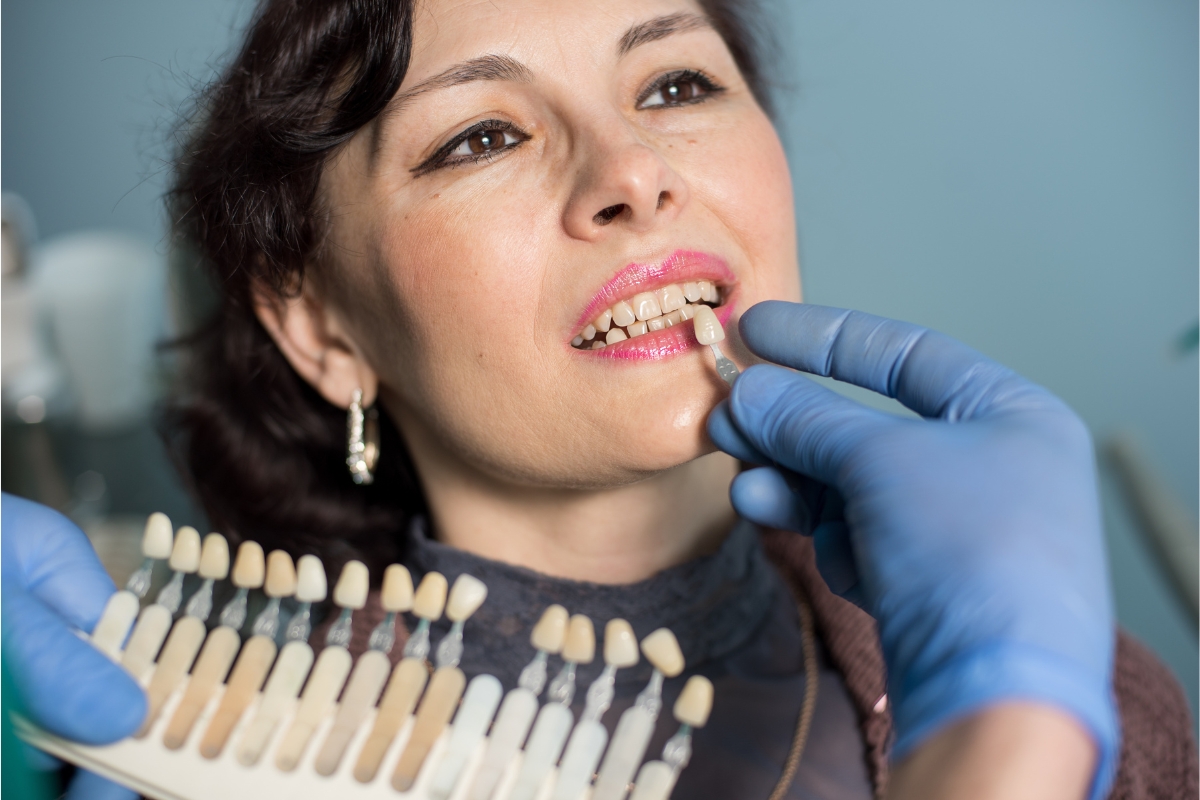
Teeth whitening removes or lightens stains that have built up on your teeth. However, the treatment doesn’t make your enamel permanently resistant to discoloration. New stains can develop over time, especially if you regularly consume foods and beverages with strong pigments.
The period immediately following a whitening treatment deserves a little extra attention. Your dentist may recommend avoiding certain foods and drinks for a short time because your teeth can be more vulnerable to staining right after treatment.
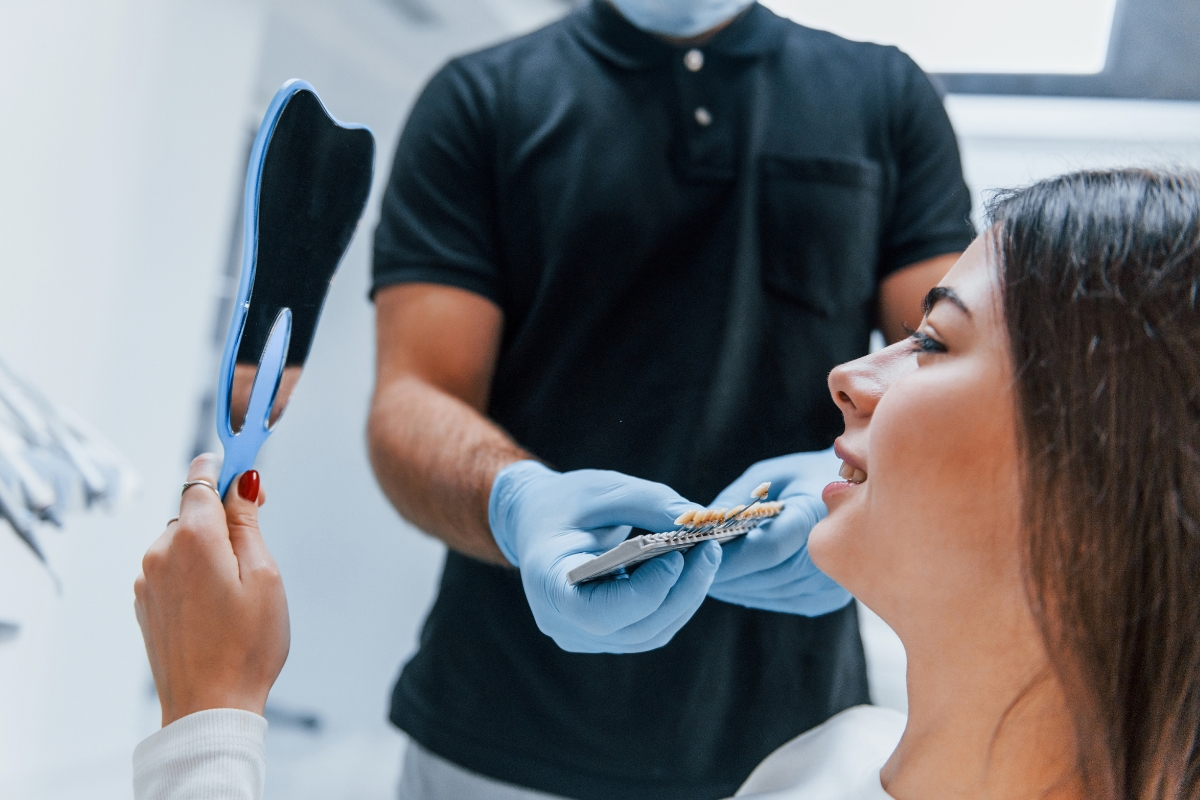
If you’re considering whitening or want to make your current results last longer, a cosmetic dentist Manasquan patients can turn to can help you understand what habits may affect your smile. At Beautiful Smiles of NJ, personalized cosmetic dental care can include recommendations for maintaining your results at home.
Foods and Drinks That Can Darken Your Smile
You don’t necessarily need to remove these foods from your diet completely. Instead, being aware of the biggest staining culprits can help you make smarter choices.
Coffee and Tea
For many people, giving up their morning coffee isn’t realistic—and it doesn’t have to be. Coffee and tea contain compounds that can attach to tooth enamel and contribute to yellow or brown discoloration over time.
If you enjoy these drinks regularly, consider drinking water afterward. This can help rinse away some of the residue before it remains on your teeth.
Red Wine
Red wine can be particularly tough on a freshly whitened smile. Its deep color and acidity can both contribute to staining. If you’re enjoying a glass with dinner, drinking some water afterward can help wash away lingering pigments.
Dark-Colored Fruits
Berries are nutritious, but some can leave behind noticeable color. Blueberries, blackberries, cherries, and pomegranates contain natural pigments that may contribute to surface stains.
There’s no reason to stop eating them altogether. Just rinse your mouth with water afterward, particularly if you’ve recently had your teeth whitened.
Tomato-Based Foods
Spaghetti sauce, pizza sauce, ketchup, and other tomato-based foods are highly pigmented. Their acidity can also affect your enamel, which may make staining easier over time.
Dark Sauces
Soy sauce, balsamic vinegar, and other deeply colored sauces can leave pigments on your teeth. If they’re regular parts of your meals, drinking water afterward is an easy way to reduce the amount of residue left behind.
What Should You Eat for a Brighter Smile?
A smile-friendly diet doesn’t have to be boring. Plenty of everyday foods can support your teeth while making it easier to maintain a clean, fresh appearance.
Crunchy Fruits and Vegetables
Apples, carrots, celery, and similar foods require plenty of chewing, which stimulates saliva production. Saliva naturally helps wash food particles away from your teeth.
These foods aren’t a replacement for brushing and flossing, but they can be a helpful addition to a balanced diet.
Cheese and Other Dairy Foods
Cheese, milk, and plain yogurt provide calcium and other nutrients that support strong teeth. Cheese can also stimulate saliva production, which helps naturally cleanse the mouth.
Nuts
Crunchy foods such as almonds can be a better snack choice than sticky or heavily processed foods. They don’t have the intense pigments found in many staining foods and can encourage chewing and saliva flow.
Water
If there’s one drink that’s especially helpful for your smile, it’s water.
Having water after meals or snacks helps rinse away food particles and pigments. It also keeps your mouth hydrated, which supports normal saliva production.
Don’t Forget About Acidic Foods
Staining isn’t the only dietary concern when it comes to keeping your teeth bright. Acid can also play a role.
Foods and beverages such as citrus fruits, soda, sports drinks, vinegar-based dressings, and certain fruit juices contain acids that can gradually weaken enamel when consumed frequently.
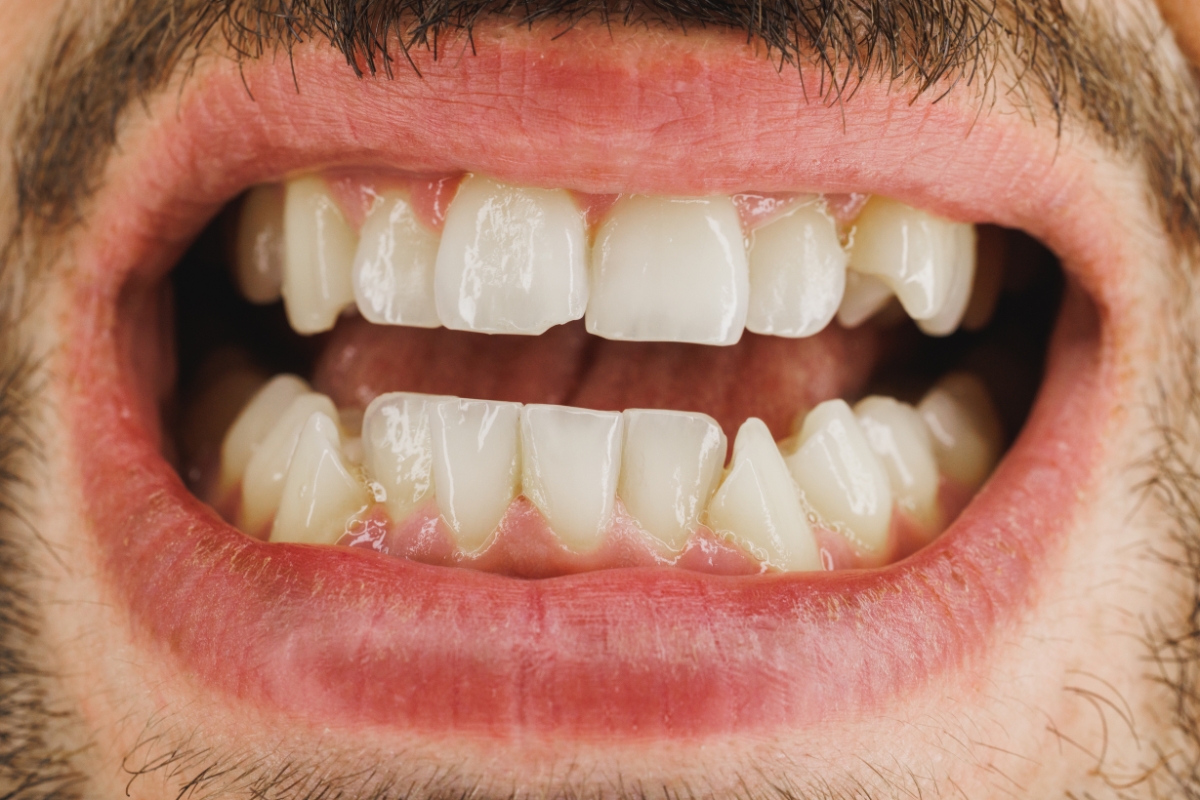
Why does that matter for the appearance of your smile? Enamel is naturally lighter in color, while the dentin underneath is more yellow. When enamel becomes thinner, more of the underlying dentin can show through.
You don’t need to avoid oranges, lemons, or other acidic foods completely. Try having them as part of a meal instead of sipping or snacking on acidic foods throughout the day. Rinsing with water afterward can also help.
One important tip: don’t brush immediately after consuming something acidic. Give your mouth some time to recover before brushing.
What About Smoking?
If you’re trying to maintain a freshly whitened smile, tobacco can work against you.
Smoking can leave stubborn yellow or brown stains on teeth. Tobacco use can also affect your gums and overall oral health, making it an important concern beyond cosmetic appearance.
If you smoke, talk with your dental professional about ways to quit. Protecting your smile can be one more reason to make the change.
How to Keep Your Smile Brighter After Whitening
Your everyday routine matters just as much as what you put on your plate. A few simple habits can help you get more mileage from your whitening treatment:
- Brush your teeth twice a day with fluoride toothpaste.
- Clean between your teeth every day with floss or another recommended interdental cleaner.
- Drink water after foods and drinks that may stain.
- Avoid constantly sipping coffee, tea, soda, or other dark beverages throughout the day.
- Follow your dentist’s instructions after a professional whitening treatment.
- Keep up with routine dental cleanings.
- Ask your dentist whether a whitening toothpaste is appropriate for maintaining your results.
- Don’t use whitening products more often than recommended.
You Don’t Have to Give Up Your Favorite Foods
Maintaining a white smile doesn’t mean living on a strict diet. You can still enjoy coffee, berries, pasta, and other foods you love.
The key is balance.
If you know you’re having something that can stain your teeth, drink some water afterward. If you’ve recently completed a whitening treatment, be a little more careful with dark and acidic foods for the period recommended by your dentist. Most importantly, continue taking care of your teeth every day.
Professional whitening can brighten your smile, but your everyday habits help determine how long that brightness lasts. Paying attention to your diet, oral hygiene, and regular dental care can help you enjoy your results for as long as possible.
If you’re considering professional teeth whitening or want advice about maintaining a brighter smile, Beautiful Smiles of NJ can help you find an approach that fits your dental needs and lifestyle in Manasquan, NJ.
Schedule an appointment today to take the next step toward a brighter, healthier-looking smile.
Frequently Asked Questions About Diet and Teeth Whitening
What foods should I avoid immediately after teeth whitening?
Your dentist may recommend temporarily limiting dark or strongly colored foods and drinks such as coffee, tea, red wine, berries, tomato sauce, and dark sauces. Follow the specific aftercare instructions provided for your treatment.
Can I drink coffee after whitening my teeth?
You can still enjoy coffee, but frequent consumption may contribute to new staining. If possible, limit how often you drink it, rinse with water afterward, and follow your dentist’s recommendations after whitening.
Are berries bad for white teeth?
Not at all. Berries contain valuable nutrients and can be part of a healthy diet. However, darker berries have strong natural pigments that can contribute to surface staining. Rinsing with water after eating them can help.
Does drinking water help prevent tooth stains?
Water can help rinse away food particles and pigments before they remain on your teeth. It also supports saliva production, which plays an important role in keeping your mouth clean.
Can acidic foods affect the appearance of my teeth?
Yes. Frequent exposure to acidic foods and drinks can weaken enamel over time. Since the dentin underneath is naturally more yellow, enamel erosion can make teeth appear darker or less bright.
How long do teeth whitening results last?
The answer varies from person to person. Your diet, oral hygiene, tobacco use, the type of whitening treatment, and natural tooth characteristics can all affect how long the results remain noticeable.
Is it okay to brush immediately after eating?
Not always. After consuming acidic foods or drinks, your enamel may temporarily be softened. Waiting around 30 minutes before brushing can help reduce the risk of brushing against softened enamel.
Can smoking make my teeth look yellow again after whitening?
Yes. Tobacco can cause significant tooth discoloration and may make whitening results fade more quickly. Quitting tobacco is one of the best choices you can make for both your oral health and your smile.
Can a cosmetic dentist recommend foods for maintaining white teeth?
Yes. A cosmetic dentist can review your eating habits, whitening treatment, and oral health to provide practical recommendations for maintaining your results without making your diet unnecessarily restrictive.
What is the best drink for maintaining a white smile?
Water is the simplest choice. It doesn’t contain staining pigments or added sugars, and it helps rinse away food particles and residue throughout the day.