General & Emergency: 732-528-0600

Signs You May Need a Dental Crown Soon

Most people don’t think much about their teeth until something starts to feel different. Maybe a tooth suddenly feels sensitive when you sip coffee, or you notice a small chip after biting into something crunchy. These changes might seem minor, but they can sometimes signal deeper structural damage.
Dental problems often develop slowly. What begins as a small crack or cavity can gradually weaken a tooth. When that happens, dentists often recommend dental crowns to restore strength and protect the tooth from further damage.
For many people in coastal communities like Manasquan, busy routines and active lifestyles can make it easy to overlook early dental symptoms. But noticing these warning signs early can make a big difference. A trusted dentist can evaluate the tooth and recommend the right treatment before the issue becomes more serious.
Understanding when a crown might be necessary can help you make informed decisions about your oral health. Let’s look at the most common signs that may mean a dental crown could be needed soon.
What Exactly Is a Dental Crown?
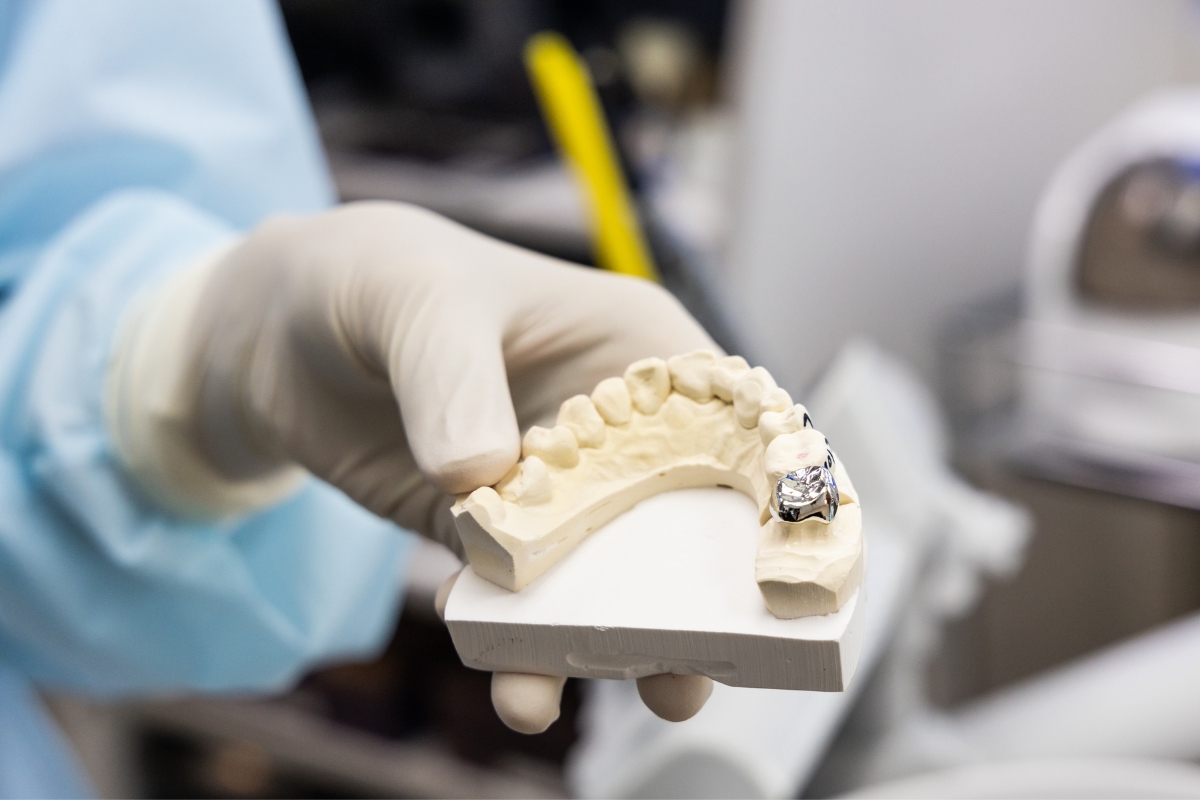
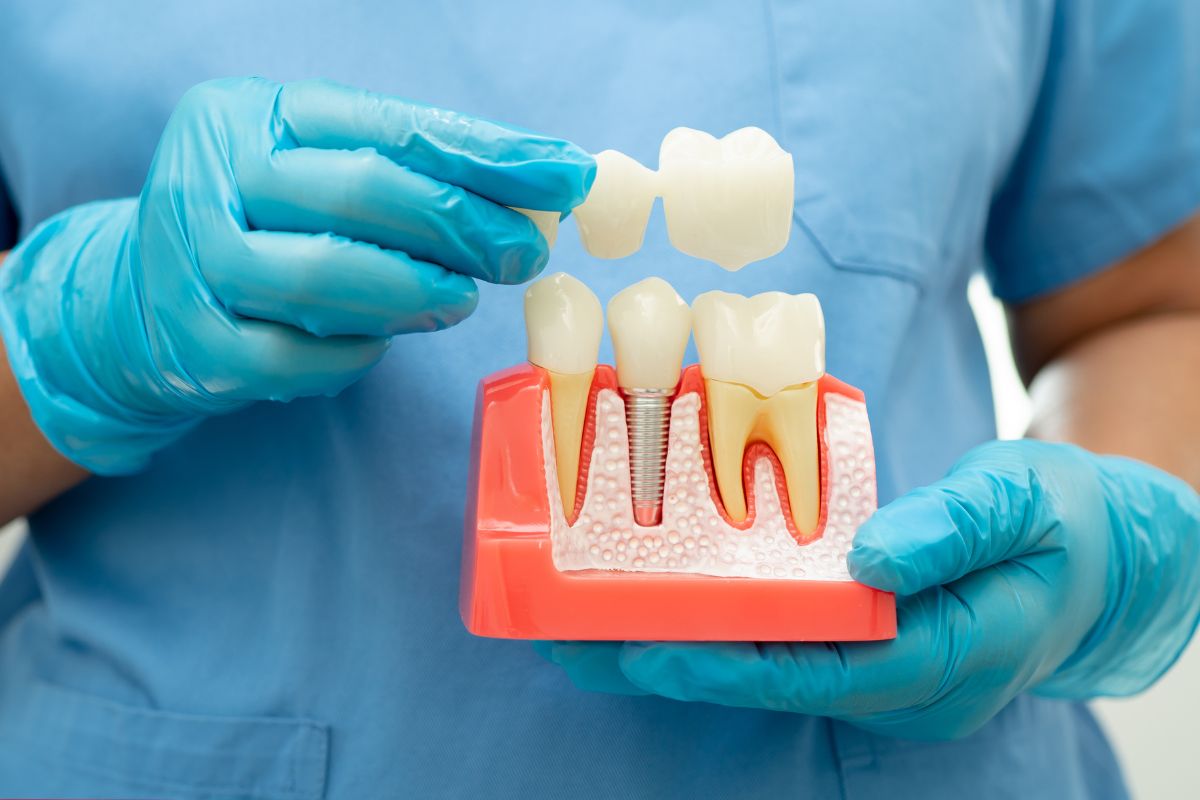
A dental crown is a custom-made cap that covers a damaged or weakened tooth. Once placed, it restores the tooth’s natural shape and strength while helping it function normally again.
Crowns are commonly used as part of tooth damage treatment, especially when a tooth has been significantly weakened by decay, injury, or previous dental work. They protect the remaining structure and help prevent further complications.
Dentists may recommend crowns for several reasons, including:
- Protecting a cracked tooth
- Repairing teeth affected by tooth decay
- Strengthening teeth with large fillings
- Restoring worn-down teeth
- Covering a tooth after root canal treatment
According to the American Dental Association, restorative treatments such as crowns help preserve natural teeth and maintain proper chewing function.
Signs You May Need a Dental Crown
Not every dental problem requires a crown, but certain symptoms can indicate that a tooth needs additional support.
A Tooth That Has Cracked or Chipped
Cracks can happen in many everyday situations—biting hard foods, grinding your teeth at night, or even after an accidental fall.
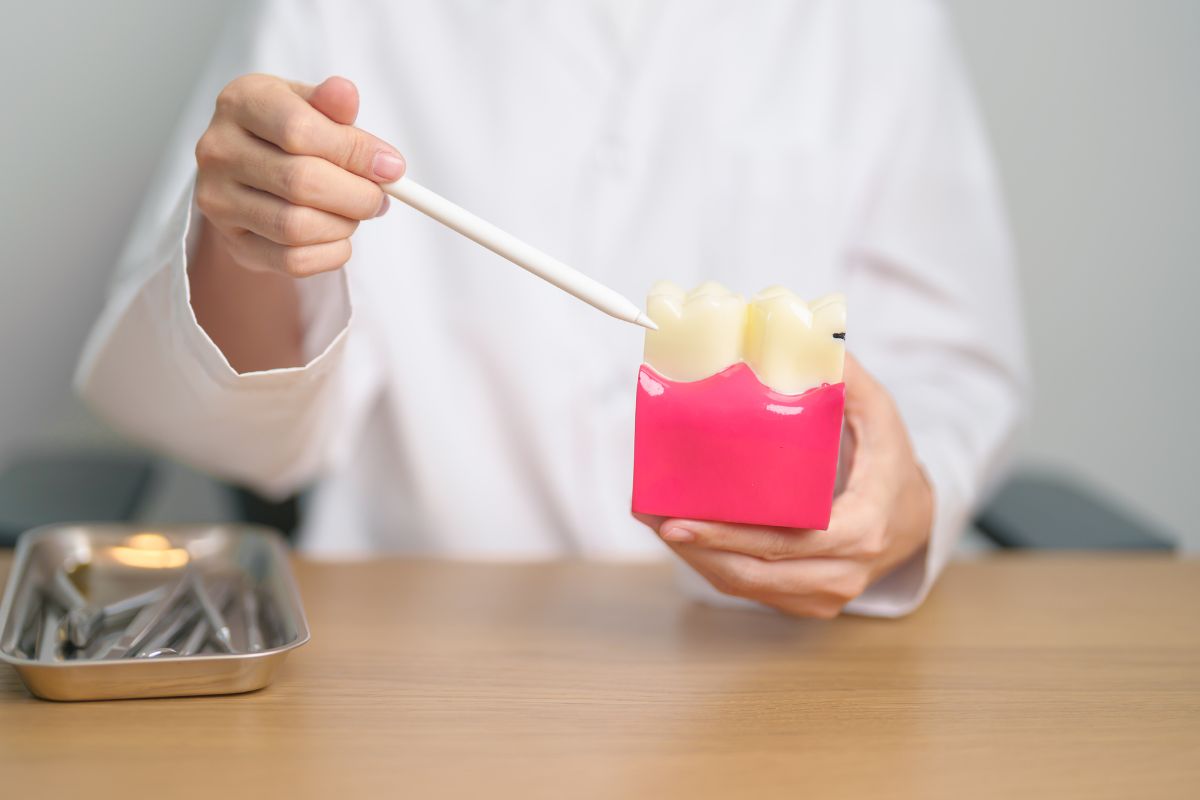
Sometimes a crack is easy to see, but other times it’s hidden beneath the surface. Even a small fracture can weaken a tooth and make it vulnerable to further damage.
A crown often helps stabilize the tooth and prevents the crack from spreading. If you notice discomfort when biting or see a visible line across a tooth, it may be time to visit a Manasquan dentist for an evaluation.
Advanced Tooth Decay
Cavities are extremely common. In fact, studies show that more than 90% of adults in the United States experience tooth decay at some point in their lives.
Small cavities are typically treated with fillings. But when decay becomes extensive and removes a large portion of the tooth structure, a filling may no longer provide enough strength. In those situations, a crown can protect the remaining tooth while restoring its function.
Ongoing Tooth Sensitivity
Sensitivity to hot or cold foods may sometimes signal that the enamel protecting your tooth has worn down. While mild sensitivity is common, persistent discomfort may indicate deeper structural issues.
Sensitivity may occur because of:
- enamel erosion
- hidden fractures
- deep cavities
A dental evaluation helps determine whether a crown or another form of tooth damage treatment would be the best solution.
A Large Filling That Is Wearing Down
Fillings work well for small to moderate cavities, but very large fillings can sometimes weaken the remaining tooth structure.
Over time, fillings may loosen, crack, or wear out. When that happens, a crown may provide stronger long-term protection than simply replacing the filling again.
Many dentists recommend crowns when more than half of the tooth structure has already been restored.
Pain When Chewing
Pain while chewing is often a sign that a tooth is under pressure. This can happen when the tooth structure becomes weakened or when a hidden crack forms.
If biting down causes discomfort or a sharp sensation, it’s important to have the tooth examined. A dentist can identify whether the issue involves a crack, deep cavity, or another structural problem.
Teeth That Look Worn Down
Over time, teeth can lose their natural shape due to grinding, aging, or exposure to acidic foods and drinks.
When enamel becomes thin, teeth are more likely to crack or fracture. Crowns can rebuild worn teeth and restore their natural function.
Why Early Treatment Matters
Dental issues rarely resolve on their own. A small crack can expand, decay can spread deeper into the tooth, and structural damage may eventually lead to infection or tooth loss.
Research in restorative dentistry consistently shows that early treatment significantly increases the chances of saving natural teeth.
When problems are identified early, treatment is often simpler and less invasive. Regular dental visits allow your Manasquan dentist to monitor subtle changes in tooth structure before they turn into larger concerns.
Treatment Options Your Dentist May Consider
Every dental situation is unique. While crowns are often recommended for severely weakened teeth, dentists consider several factors before choosing the right treatment.
Possible restoration options include:
- Dental bonding for minor chips
- Inlays or onlays for moderate damage
- Dental crowns for extensive structural loss
- Root canal treatment followed by a crown
The goal is always to preserve as much natural tooth structure as possible while restoring strength and function.
What Happens During a Dental Crown Procedure?
For many patients, the crown process is straightforward and comfortable.
First, the dentist carefully removes damaged portions of the tooth and shapes it so the crown can fit properly. An impression is then taken to create a custom crown designed specifically for your bite.
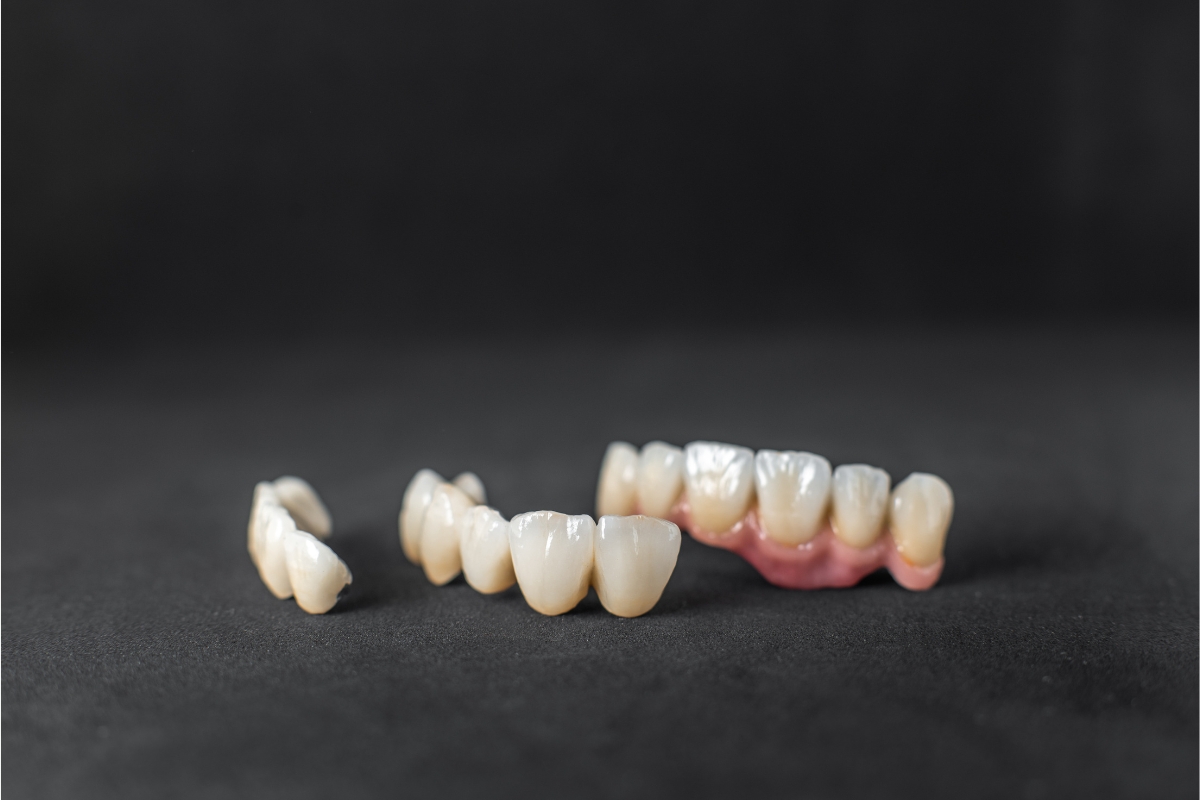
In many cases, a temporary crown is placed while the permanent one is fabricated. During the next visit, the final crown is securely attached to the tooth.
Once in place, the crown helps the tooth function normally again and protects it from additional damage.
Frequently Asked Questions
How long can a dental crown last?
With proper care, crowns commonly last 10 to 15 years, and sometimes even longer.
Can dental crowns repair cracked teeth?
Yes. Crowns are frequently used to stabilize a cracked tooth and prevent additional damage.
Is getting a crown uncomfortable?
Dentists use local anesthesia to keep patients comfortable during the procedure. Most people experience minimal discomfort afterward.
How do dentists determine if a crown is necessary?
Dentists examine the tooth structure, evaluate the size of any cavity or fracture, and determine whether the remaining tooth can safely support a filling.
Can crowns improve the appearance of teeth?
Yes. In addition to restoring strength, crowns can improve the shape and appearance of worn or damaged teeth.
Protecting Your Smile for the Future
Teeth often show small warning signs before more serious damage develops. Paying attention to these signals can help prevent more complex dental issues.
If you notice discomfort, visible damage, or unusual sensitivity, it may be helpful to have your tooth examined by a trusted Manasquan dentist. Early evaluation can determine whether dental crowns or another treatment would best protect your tooth.
Taking care of the problem sooner rather than later can help preserve your natural smile. If you have concerns about a damaged or sensitive tooth, consider contacting a dental professional to schedule an appointment and discuss your options for maintaining strong, healthy teeth.